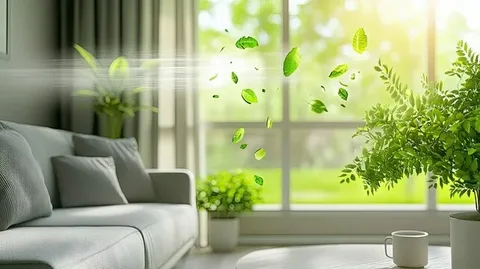
Air freshness Singapore home living… it sounds simple, right? Just open a window, maybe spray something floral, and you’re done.
But honestly, it’s rarely that easy.
In Singapore’s humid climate, air doesn’t just sit quietly. It carries moisture, odors, invisible particles — all the stuff you don’t see but definitely feel. That slightly damp smell when you walk into a room? Yeah… that’s part of it.
And over time, it builds.
So if you’ve ever wondered why your home sometimes feels a bit… heavy, even when it looks clean, you’re not imagining it. Air freshness Singapore home environments require a bit more intention — not complicated effort, just awareness.
Let’s talk about it properly.
The Reality of Indoor Air in Singapore Homes
Air freshness Singapore home conditions are shaped by humidity. High humidity. Almost constant.
And that changes everything.
Moisture in the air tends to trap odors. It encourages mold growth. Even fabrics — sofas, curtains, carpets — they quietly absorb smells and release them later. Sometimes hours later.
And then there’s air circulation. Many homes rely heavily on air-conditioning, which can reduce fresh airflow if not managed well.
So you end up with air that feels… used. Recycled. Slightly stale.
Not terrible. But not fresh either.
What “Fresh Air” Actually Means Indoors
Let’s clear something up.
Air freshness Singapore home setups aren’t about artificial fragrance. Not really. A room smelling like lavender doesn’t automatically mean the air is clean.
Fresh air is more about:
- Low humidity
- Good airflow
- Minimal pollutants
- Neutral smell (or barely noticeable)
It’s subtle. You walk in and feel lighter. You don’t notice anything — and that’s the point.
Start With Ventilation (Yes, Even in Humid Weather)
It might sound counterintuitive, but opening windows still matters.
Air freshness Singapore home environments improve when there’s cross-ventilation. Even 20–30 minutes a day can help push out stale air.
But timing matters.
Early morning or late evening usually works best — when outdoor temperatures are lower and air feels less heavy.
And if you’re thinking, “But it makes my room humid…” — fair. That’s why balance is key. Ventilate briefly, then use a fan or air-conditioner to regulate.
Declutter… Because Air Needs Space Too
This one gets overlooked a lot.
Air freshness Singapore home conditions are directly affected by how crowded your space is. More stuff = more surfaces for dust and odor to cling to.
And it adds up.
Stacks of clothes, packed shelves, unused furniture — they quietly trap air. They block flow.
Try removing just a few things from a room and notice the difference. It often feels… lighter. Almost immediately.
Fabrics Hold More Smell Than You Think
Soft surfaces are like silent sponges.
Curtains. Cushions. Mattresses. Rugs.
They absorb everything — cooking smells, sweat, humidity, even outside pollution. And over time, they start releasing it back into the air.
So if air freshness Singapore home living is your goal, don’t ignore fabrics.
- Wash curtains every few months
- Vacuum sofas regularly
- Sun-dry cushions when possible
And yes, sunlight helps. A lot.
Indoor Plants… Helpful, But Not Magical
People love talking about plants for air freshness Singapore home setups. And they do help — to a degree.
Plants can:
- Improve mood
- Slightly support air quality
- Add natural freshness
But they won’t fix poor ventilation or heavy humidity on their own.
Still, having a few well-placed plants can make a room feel fresher. Psychologically, too.
And sometimes that matters just as much.
The Role of Air Conditioners (And Their Downsides)
Air-conditioning is almost unavoidable in Singapore. And it does help control humidity.
But here’s the thing…
If not cleaned regularly, air-conditioners can circulate dust and even mold particles. Which defeats the purpose.
Air freshness Singapore home systems depend heavily on maintenance:
- Clean filters monthly (or as needed)
- Service units regularly
- Avoid running them non-stop without fresh air breaks
It’s about balance again.
Natural Air Freshening Hacks That Actually Work
You don’t always need fancy products.
Air freshness Singapore home routines can include simple, natural methods:
1. Baking Soda for Odor Absorption
Place small bowls in corners or inside cabinets. It quietly absorbs unwanted smells.
2. Citrus Peels
Fresh orange or lemon peels can add a light, clean scent. Not overpowering — just subtle.
3. Vinegar Solution
A small bowl of vinegar can neutralize strong odors. It works surprisingly well.
4. Charcoal
Activated charcoal is excellent for absorbing moisture and odor. Great for wardrobes or bathrooms.
Simple things. But effective.
And Then… There’s Cooking Smell
Let’s be real — cooking smells linger.
Especially in compact apartments.
Air freshness Singapore home conditions often get disrupted by:
- Fried food
- Strong spices
- Seafood
Not necessarily bad smells… just strong ones.
To manage:
- Use kitchen exhaust fans
- Close bedroom doors while cooking
- Ventilate immediately after
And sometimes… just let it fade naturally. Not every smell needs to be erased instantly.
Humidity Control Changes Everything
If there’s one factor you shouldn’t ignore, it’s humidity.
Air freshness Singapore home environments improve drastically when humidity is controlled.
A dehumidifier can help — especially during rainy periods. Even a small unit can make a noticeable difference.
You’ll feel it:
- Less sticky air
- Reduced musty smell
- Better overall comfort
It’s one of those upgrades that quietly improves daily life.
Daily Habits That Keep Air Fresh
You don’t need a massive routine. Just small, consistent habits.
- Make your bed and let it air out
- Open windows briefly
- Take out trash regularly
- Avoid leaving damp clothes indoors
These things seem minor. But together, they shape your air quality.
Air freshness Singapore home living is really about consistency more than effort.
Scented Products — Helpful or Overkill?
Here’s where opinions differ.
Candles, sprays, diffusers — they can enhance air freshness Singapore home environments… but they can also mask underlying issues.
If you rely too much on fragrance, you might ignore the actual problem.
Use scents lightly. Think of them as finishing touches, not solutions.
Bathrooms: The Hidden Air Quality Zone
Bathrooms often get overlooked. But they’re major contributors.
Moisture, poor ventilation, and daily use make them prone to odor buildup.
For better air freshness Singapore home conditions:
- Keep bathroom doors open when possible
- Use exhaust fans
- Clean drains regularly
And don’t forget — even small improvements here can affect the entire home.
Bedrooms Should Feel Light, Not Heavy
Your bedroom air matters the most. You spend hours there every night.
If the air feels heavy or stuffy, it can affect sleep — even if you don’t realize it.
Air freshness Singapore home strategies for bedrooms:
- Wash bedsheets weekly
- Avoid clutter near the bed
- Let fresh air in occasionally
And yeah… sometimes just rearranging furniture can improve airflow.
When to Consider Air Purifiers
If you’re dealing with allergies or persistent air issues, air purifiers can help.
They’re not essential for everyone. But in certain cases, they make a difference.
Air freshness Singapore home setups with purifiers tend to feel cleaner — especially in enclosed spaces.
Still, they work best alongside good habits, not instead of them.
A Slight Reality Check
Not every home will smell like a luxury hotel. And that’s okay.
Air freshness Singapore home living isn’t about perfection. It’s about comfort.
Sometimes the air will feel a bit humid. Sometimes cooking smells will linger longer than expected.
That’s normal.
The goal isn’t to eliminate every trace of scent — just to create a space that feels clean, breathable, and calm.
And Honestly… It’s a Feeling
You know when air feels fresh.
You walk into a room and pause for a second. Not because something smells strong — but because nothing does.
It just feels… right.
That’s what air freshness Singapore home living is really about.
Not perfection. Not constant fragrance.
Just a quiet, comfortable kind of clean.
Final Thoughts
Air freshness Singapore home environments don’t happen by accident. But they don’t require complicated systems either.
It’s small things:
- A bit of airflow
- Less clutter
- Clean fabrics
- Balanced humidity
And over time, those small things add up.
And your home starts to feel different.
Lighter. Easier. Better.
Not dramatically… just enough to notice.
And sometimes, that’s all you need.






Leave a Reply