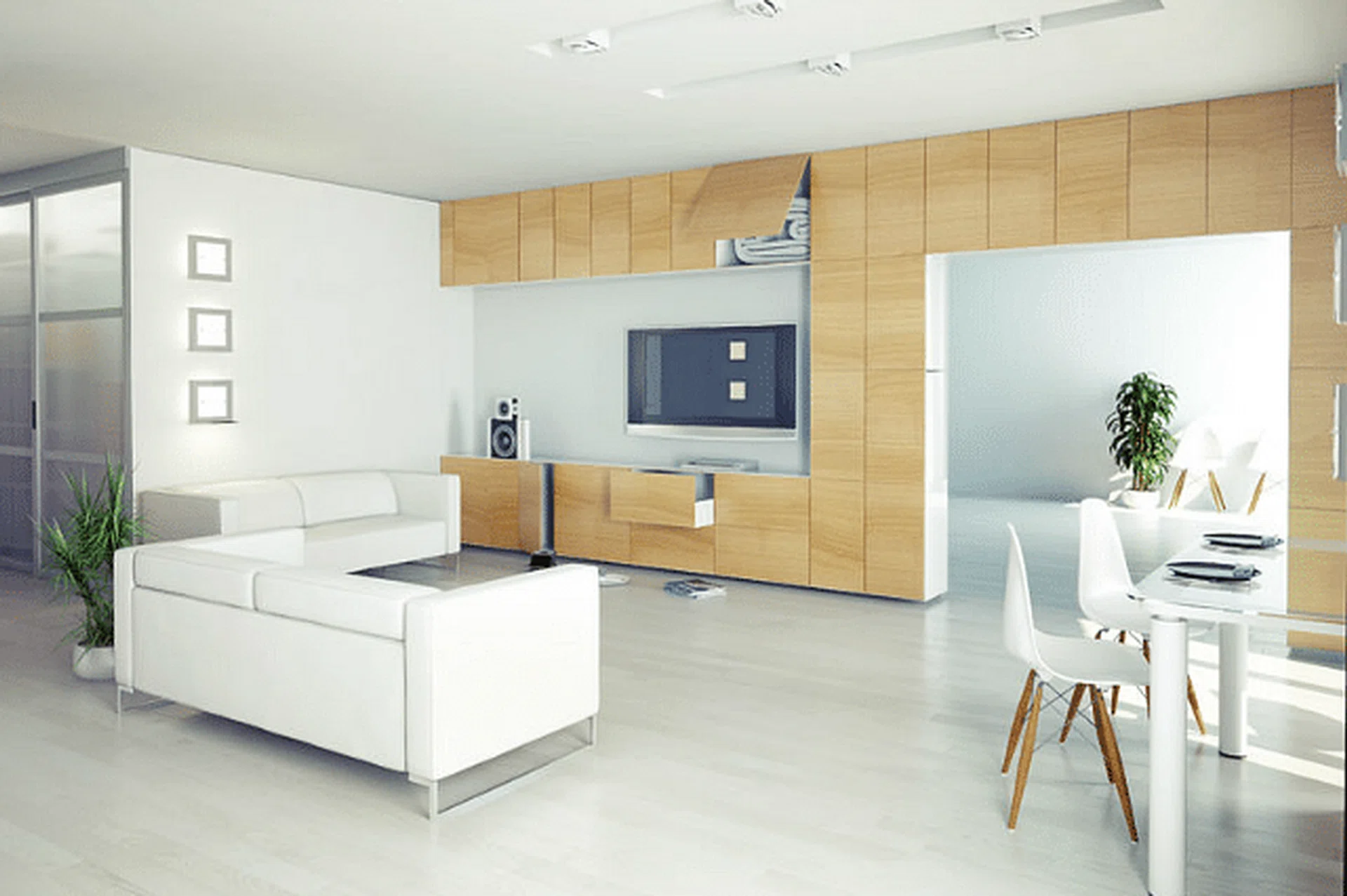
Homeowners today want more than just beautiful interiors. They want functional, comfortable, and future-ready living spaces that support their lifestyle. This is where home improvement Singapore projects play an important role.
Whether you own an HDB flat, condominium, or landed property, strategic upgrades can improve comfort, increase property value, and enhance daily living. From kitchen renovations and bathroom upgrades to smart home technology and energy-efficient improvements, there are countless ways to transform your space.
In this guide, you’ll learn how to plan renovations, estimate costs, choose reliable contractors, avoid common mistakes, and maximize your investment. By the end, you’ll have a clear roadmap for creating a home that meets your current and future needs.
Why Home Improvement Matters in Singapore
Property ownership in Singapore represents a significant investment. Therefore, maintaining and upgrading your home is essential.
A well-planned home improvement Singapore project can provide several benefits:
- Increase property value
- Improve functionality
- Enhance energy efficiency
- Create additional storage space
- Improve comfort and aesthetics
- Support changing family needs
Modern homeowners are increasingly prioritizing practical upgrades over purely decorative renovations. As a result, multi-functional spaces, smart storage solutions, and sustainable materials have become highly popular.
Moreover, thoughtful improvements can help homeowners avoid costly repairs in the future.
Key Areas That Deliver Strong Value
The most impactful improvements often include:
- Kitchen remodeling
- Bathroom renovations
- Flooring upgrades
- Built-in carpentry
- Lighting enhancements
- Smart home installations
- Space optimization
These upgrades typically provide both immediate lifestyle benefits and long-term property value.
Planning Your Home Renovation Project
Proper planning is the foundation of every successful renovation.
Before contacting contractors, identify your goals clearly.
Ask yourself:
- What problems need solving?
- What is your budget?
- Which areas require priority?
- How long can you accommodate renovation work?
Many homeowners begin home improvement Singapore projects without a detailed plan. Consequently, costs can increase unexpectedly.
Create a Realistic Budget
Your renovation budget should include:
- Design costs
- Construction costs
- Materials
- Electrical work
- Plumbing work
- Furniture
- Contingency fund (10–15%)
Having a financial buffer helps manage unexpected expenses without disrupting the project.
Establish Clear Priorities
Separate your wishlist into categories:
Must-Have Upgrades
- Essential repairs
- Safety improvements
- Structural updates
Nice-to-Have Upgrades
- Decorative features
- Luxury finishes
- Optional smart technology
This approach helps prevent overspending.
Choosing the Right Renovation Contractor
One of the most important decisions in any home renovation Singapore project is selecting the right contractor.
A reliable contractor can help ensure quality workmanship, transparent communication, and timely completion.
What to Look For
Consider the following factors:
- Proven experience
- Positive customer reviews
- Portfolio of completed projects
- Clear quotations
- Licensing and certifications
- Warranty coverage
Always compare multiple quotations before making a decision.
Questions to Ask Before Hiring
Ask potential contractors:
- How many similar projects have you completed?
- What is the expected timeline?
- What warranties are provided?
- How are project changes managed?
- Who supervises the work?
Clear communication from the beginning reduces misunderstandings later.
Avoid Common Contractor Mistakes
Many homeowners face renovation issues due to:
- Accepting the cheapest quote
- Paying excessive deposits upfront
- Skipping written contracts
- Ignoring customer reviews
Taking time to vet contractors carefully can save significant stress and money.
Popular Home Improvement Ideas for Singapore Homes
Today’s homeowners seek practical upgrades that balance beauty and functionality.
The following ideas remain among the most requested home improvement Singapore solutions.
Kitchen Upgrades
The kitchen is often considered the heart of the home.
Popular improvements include:
- Quartz countertops
- Soft-close cabinets
- Pull-out storage systems
- Energy-efficient appliances
- Modern backsplashes
A functional kitchen can dramatically improve daily convenience.
Bathroom Modernization
Bathrooms are increasingly becoming wellness spaces.
Common upgrades include:
- Walk-in showers
- Anti-slip flooring
- Water-saving fixtures
- Vanity storage systems
- Better ventilation
These improvements enhance both comfort and safety.
Smart Home Integration
Technology is transforming residential living.
Popular smart features include:
- Smart lighting
- Digital locks
- Automated curtains
- Security cameras
- Voice-controlled devices
Smart solutions improve convenience while supporting energy efficiency.
HDB, Condo, and Landed Property Considerations
Different property types have unique renovation requirements.
Understanding these differences is essential before starting any home improvement Singapore project.
HDB Renovations
HDB owners must comply with specific renovation guidelines.
Common HDB upgrades include:
- Kitchen remodeling
- Bathroom renovation
- Built-in storage
- Flooring replacement
Always verify that contractors are familiar with HDB regulations.
Condominium Renovations
Condominiums often have management requirements regarding:
- Working hours
- Noise restrictions
- Lift protection
- Renovation permits
Proper planning helps avoid delays and penalties.
Landed Property Improvements
Landed homes typically offer greater flexibility.
Popular upgrades include:
- Home extensions
- Outdoor living areas
- Landscape improvements
- Solar panel installations
These projects often require larger budgets but can deliver substantial value.
Cost of Home Improvement in Singapore
Renovation costs vary depending on project size, materials, and complexity.
Several factors influence pricing:
- Property type
- Project scope
- Material selection
- Labor requirements
- Design complexity
Major Cost Categories
Typical renovation spending may include:
Kitchen Renovation
- Cabinets
- Countertops
- Appliances
- Plumbing adjustments
Bathroom Renovation
- Tiling
- Sanitary fittings
- Waterproofing
- Lighting
Living Area Improvements
- Flooring
- Carpentry
- Painting
- Electrical upgrades
Obtaining detailed quotations helps homeowners understand where their budget is allocated.
How to Reduce Costs
Consider these strategies:
- Retain existing layouts
- Reuse quality fixtures
- Choose durable mid-range materials
- Renovate in phases
- Compare multiple contractor quotes
Cost-effective planning does not necessarily mean sacrificing quality.
Sustainable Home Improvement Trends
Sustainability is becoming a major focus for homeowners.
Eco-friendly home improvement Singapore projects can reduce utility costs while supporting environmental goals.
Energy-Efficient Solutions
Popular upgrades include:
- LED lighting
- Energy-efficient air conditioning
- Smart thermostats
- Solar energy systems
These improvements often generate long-term savings.
Sustainable Materials
Many homeowners now choose:
- Recycled wood
- Low-VOC paint
- Eco-friendly flooring
- Sustainable cabinetry
These materials support healthier indoor environments.
Water Conservation Features
Water-saving solutions include:
- Low-flow faucets
- Efficient shower systems
- Dual-flush toilets
Small changes can significantly reduce water consumption over time.
Common Renovation Mistakes to Avoid
Even well-planned projects can encounter challenges.
Avoiding these mistakes can improve outcomes significantly.
Underestimating Costs
Unexpected expenses are common.
Always maintain a contingency fund to handle unforeseen issues.
Ignoring Storage Needs
Beautiful interiors often fail when storage is overlooked.
Plan sufficient storage from the beginning.
Following Trends Blindly
Trendy designs may become outdated quickly.
Instead, prioritize timeless functionality.
Poor Space Planning
Effective layouts improve usability and comfort.
Focus on daily living patterns before selecting finishes and décor.
FAQs About Home Improvement Singapore
1. How much does home improvement Singapore typically cost?
Costs vary depending on property size, materials, and project scope. Small upgrades may cost a few thousand dollars, while full renovations can require significantly larger budgets.
2. How long does a home renovation usually take?
Most projects take between several weeks and a few months. The timeline depends on complexity, approvals, and material availability.
3. Should I hire an interior designer or a contractor?
Interior designers focus on planning and aesthetics, while contractors execute construction work. Many homeowners benefit from using both.
4. What adds the most value during a home improvement Singapore project?
Kitchen upgrades, bathroom renovations, smart home features, and efficient storage solutions generally deliver strong returns.
5. How can I avoid renovation disputes?
Use written contracts, verify credentials, maintain documentation, and establish clear communication throughout the project.
Conclusion
A successful home improvement Singapore project begins with careful planning, realistic budgeting, and the right professional support. Whether you’re upgrading an HDB flat, condominium, or landed property, strategic improvements can enhance both your lifestyle and property value.
Focus on practical upgrades that improve functionality, comfort, and long-term durability. Prioritize quality workmanship, sustainable materials, and future-ready features whenever possible.
Most importantly, take time to research contractors, compare quotations, and establish clear expectations before work begins. A thoughtful approach can help you avoid common renovation challenges and achieve better results.
If you’re considering your next renovation project, start planning today and create a home that truly reflects your needs, style, and future goals.







Leave a Reply