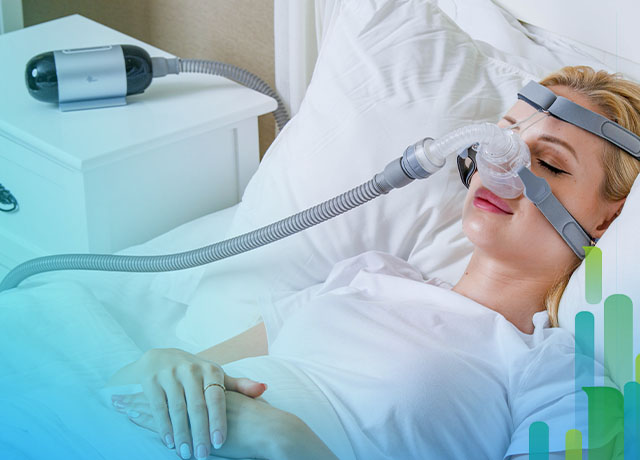
The landscape of home healthcare is undergoing a massive transformation. As the population ages and the healthcare system shifts toward value-based care, the demand for in-home medical services has skyrocketed. At the center of this evolution stands Quipt Home Medical, a dynamic provider focused on end-to-end respiratory care and chronic disease management.
In an industry dominated by giants like AdaptHealth and specialized players like Viemed Healthcare, Quipt Home Medical has carved out a distinct niche. Unlike traditional durable medical equipment (DME) suppliers, Quipt utilizes a strategic “roll-up” acquisition model combined with deep health system integration. This approach allows the company to scale rapidly while maintaining high-touch clinical support.
For investors, healthcare professionals, and patients, understanding the operational mechanics of Quipt Home Medical is essential. The company represents a shift from fragmented local providers to interconnected healthcare networks. By offering services ranging from non-invasive ventilation to sleep apnea management, they aim to be a one-stop solution for patients transitioning from hospital to home.
However, 2025 has been a year of recalibration. While the company faces headwinds regarding organic growth and reimbursement rates, strategic moves—such as the joint venture with Hart Medical Equipment—signal a robust future. This article provides a deep dive into the financial health, competitive standing, and clinical operations of Quipt Home Medical.
Understanding the Quipt Home Medical Business Model
To grasp where the company is heading, one must first understand how it operates. Quipt Home Medical focuses on a recurring revenue model, primarily serving patients with chronic obstructive pulmonary disease (COPD), sleep apnea, and other respiratory conditions.
The “Roll-Up” Acquisition Strategy
Unlike competitors who rely solely on organic patient growth, Quipt Home Medical aggressively acquires smaller, independent home medical equipment (HME) providers. This strategy serves two purposes. First, it eliminates competition in fragmented local markets. Second, it immediately expands the company’s payer contracts and referral bases.
For example, the acquisition of At Home Health Equipment in Indiana added $13 million in annualized revenue and over 15,000 active patients . These acquisitions are not random; they target regions with high COPD prevalence and existing exclusive contracts, particularly in the hospice segment.
Recurring Revenue and Resupply Programs
A key strength of Quipt Home Medical is its financial predictability. As of the latest fiscal reports, recurring revenue accounts for approximately 81% of total revenue . This stability comes from subscription-based resupply programs for CPAP machines, ventilation masks, and other consumables.
The company has successfully leveraged its technology platform to automate patient resupply, creating a sticky revenue stream. Once a patient is onboarded, the automated system ensures timely delivery of supplies, reducing churn and increasing patient lifetime value.
Financial Performance and Market Position in 2025
Recent earnings reports reveal a company in transition. While Quipt Home Medical has faced revenue contractions year-over-year, operational efficiencies have stabilized its EBITDA margins.
Analysis of Q2 and Q3 2025 Results
The fiscal third quarter of 2025 saw revenues of $58.3 million. While this represents a 4.1% decrease compared to the prior year, it marks a return to positive organic quarter-over-quarter growth of 1.6% . This uptick is significant, indicating that the operational restructuring implemented in late 2024 is beginning to bear fruit.
Despite a net loss of $3 million, the company maintained a steady adjusted EBITDA margin of 23.5% . In the volatile home medical equipment sector, protecting margins during a revenue dip demonstrates strong cost control. The company’s ability to maintain margins while integrating new assets is a critical indicator of management’s expertise.
Balance Sheet and Liquidity
One concern for investors analyzing Quipt Home Medical is leverage. However, recent data suggests a conservative stance. The company reported a net debt to adjusted EBITDA leverage ratio of just 1.5x as of March 2025 . This low leverage provides significant financial flexibility.
Cash on hand stood at $11.3 million as of June 2025, with total credit availability of over $30 million . This liquidity is crucial for funding future acquisitions without diluting shareholder value excessively. It positions the company to weather reimbursement storms while continuing expansion.
Competitive Landscape: AdaptHealth vs. Quipt Home Medical
The home medical equipment market is highly competitive. To understand the valuation of Quipt Home Medical, one must compare it to the industry gorilla: AdaptHealth Corp.
Scale vs. Growth
AdaptHealth is a behemoth with revenues exceeding $3 billion and a national footprint across all 50 states . In contrast, Quipt operates over 160 locations across 27 states. However, size is a double-edged sword.
While AdaptHealth offers stability, Quipt Home Medical offers growth velocity. Quipt’s acquisition-focused model allows it to grow at percentages that larger, more mature companies cannot match. For investors seeking high-risk, high-reward opportunities, Quipt represents a chance to buy into a consolidator at a lower valuation multiple than its larger peers.
Operational Moats
AdaptHealth benefits from superior economies of scale. It can negotiate better prices from manufacturers and secure exclusive contracts with national payers.
Conversely, Quipt Home Medical competes on clinical specialization and local relationships. By partnering directly with health systems (like the joint venture with Henry Ford Health), Quipt embeds itself into the hospital discharge process . This creates a “sticky” referral network that national chains often struggle to replicate at the local level.
Strategic Joint Ventures and Health System Integration
The most significant strategic move for Quipt Home Medical in 2025 is the formation of a joint venture with Hart Medical Equipment. This is not just an acquisition; it is a new template for growth.
The Hart Medical Partnership
Quipt acquired a 60% ownership interest in Hart Medical, a partnership involving major health systems including Henry Ford Health and McLaren Health Care . This transaction immediately established Quipt’s presence in Michigan, a large and underserved market.
What makes this deal unique is the structure. By keeping the health systems as 40% equity partners, Quipt Home Medical aligns its financial incentives directly with the hospitals. Instead of being a vendor, Quipt becomes a clinical partner. This joint venture is expected to add $60 million in annual revenue and serve over 67,000 patients monthly across 19 hospitals .
The Ballad Health Acquisition
Further expanding its health system reach, Quipt acquired a DME provider wholly owned by Ballad Health, serving the Appalachian Highlands. This acquisition adds four locations in Tennessee and Virginia, serving over 12,500 patients annually .
These partnerships are a direct response to the challenges of the Medicare Advantage environment. By tying themselves directly to health systems, Quipt Home Medical secures patient volume that is less susceptible to the competitive bidding and rate cuts that plague standalone DME suppliers.
Clinical Services: Respiratory Care and Beyond
At its core, Quipt Home Medical is a respiratory services company. However, the company is expanding its clinical portfolio to capture more healthcare dollars per patient.
End-to-End Respiratory Solutions
The primary focus remains on treating COPD and sleep apnea. Quipt provides non-invasive ventilation (NIV) and positive airway pressure (PAP) therapy. Unlike basic equipment suppliers, Quipt emphasizes clinical support. They employ respiratory therapists who monitor patient data remotely, adjusting therapy to prevent hospital readmissions.
This “high-touch” model is essential for value-based care. When patients use ventilators correctly, hospital readmission rates drop, saving the healthcare system money. Quipt Home Medical leverages this data to prove its value to insurance payers.
Expanding the Product Portfolio
Beyond standard respiratory equipment, the company is moving into higher-acuity care. The recent launch of a new Medicare-approved airway clearance device allows Quipt to treat patients with more complex conditions like bronchiectasis . This diversification into high-acuity respiratory care differentiates Quipt from basic “mom and pop” DME suppliers.
Challenges and Operational Headwinds
Despite the strategic wins, Quipt Home Medical faces real challenges that investors cannot ignore. Transparency regarding these risks is vital for a balanced analysis.
Reimbursement Pressures
The company has been impacted by the non-renewal of a disposable supply contract and the withdrawal of Medicare Advantage members following a capitated agreement . Furthermore, the discontinuation of the Medicare 75/25 blended rate in certain geographic areas has created a headwind of approximately $8 million annually .
These reimbursement issues are industry-wide, but they hit mid-cap consolidators like Quipt Home Medical harder than giants like AdaptHealth, who have more diversified payer mixes.
Customer Base Fluctuations
Active patient counts have seen volatility. As of June 2025, the company served 151,000 unique patients, down from 153,000 the previous year . However, it is worth noting that this number increased from 146,000 in the prior quarter, indicating a reversal of the downward trend .
The decrease in setups and deliveries (from 216,000 to 210,000 year-over-year) suggests that while the infrastructure is growing, the sales engine needs continued tuning to convert referrals into active patients .
The Viemed Healthcare Comparison
To truly understand the niche of Quipt Home Medical, one must look at Viemed Healthcare. While Quipt is a broad HME provider, Viemed is a clinical specialist focusing almost exclusively on high-acuity NIV.
Clinical Depth vs. Geographic Breadth
Viemed boasts patient retention rates over 90% due to its intense clinical protocols . They have deep relationships with pulmonologists, making them the preferred referral for complex respiratory cases.
Quipt Home Medical offers a broader suite of products but lacks Viemed’s razor-sharp focus. However, Quipt’s strategy of entering the hospice vertical and launching airway clearance devices is a direct attempt to match Viemed’s clinical depth while maintaining geographic diversity. For investors, Viemed represents a pure-play on respiratory therapy, while Quipt offers a diversified basket of HME goods.
Future Outlook and Growth Strategy
Looking ahead, the management of Quipt Home Medical, led by CEO Greg Crawford, has articulated a clear path to recovery and growth.
Organic Growth Re-ignition
The primary priority for 2025 and 2026 is to reignite organic growth. The “Quipt Sales Accelerator” program has been introduced to enhance sales team performance and deepen engagement with referring physicians .
Furthermore, the launch of De Novo sites (building new locations from scratch) in Florida and Alabama shows that the company is not solely reliant on acquisitions for growth . This “land and expand” approach allows them to enter markets without the heavy price tag of an acquisition, preserving cash for larger targets.
Run-Rate Revenue Projections
With the integration of Hart Medical Equipment, Quipt Home Medical projects an annualized run-rate revenue of roughly $300 million . Achieving this run-rate would solidify their position as a top-tier player in the mid-cap HME space.
The company is also focusing on achieving operational net profitability. While adjusted EBITDA remains healthy, turning GAAP net losses into profits is the final hurdle management must clear to satisfy institutional investors.
Why Referral Networks Matter
For Quipt Home Medical, growth is synonymous with referral relationships. The company currently boasts a network of over 34,000 referring physicians .
The Hospital Discharge Bottleneck
When a patient is discharged from a hospital, the discharge planner must choose a DME provider. Quipt Home Medical invests heavily in being the “path of least resistance.” By integrating their IT systems with hospital electronic medical records (EMRs), they receive referrals in real-time.
The joint venture model (like with Hart Medical) formalizes this relationship. Instead of competing for referrals, Quipt is the default provider for those specific health systems. This is a significant competitive moat that is difficult for new entrants to disrupt.
Mitigating Payer Risk
Having a wide referral base also mitigates the risk of losing a single contract. When Quipt Home Medical lost a disposable supply contract in late 2024, the revenue impact was severe, but the company survived because of the diversity of its other referral sources . A smaller provider with one or two referral sources would have gone bankrupt under similar pressure.
Common Mistakes to Avoid When Evaluating HME Stocks
If you are analyzing Quipt Home Medical as an investment or partnership opportunity, avoid these common analytical errors.
Mistake 1: Ignoring the Payer Mix
Many analysts look only at revenue growth. However, for Quipt Home Medical, the mix of payers (Medicare vs. Commercial vs. Hospice) dictates margins. Commercial insurance pays significantly more than Medicare. The company’s strategic shift toward exclusive contracts in the hospice segment is brilliant because hospice payers offer stable, predictable cash flows.
Mistake 2: Overlooking Integration Risk
Acquisitions look great on a press release, but integrating different IT systems, corporate cultures, and billing processes is hellish. Quipt Home Medical has a “tried-and-true” integration approach, but investors must monitor operating expenses as a percentage of revenue. If expenses spike after an acquisition, the synergies may not materialize.
Mistake 3: Confusing Adjusted EBITDA with Net Income
Quipt Home Medical reports healthy Adjusted EBITDA, but net losses persist . Adjusted EBITDA excludes stock-based compensation, depreciation, and interest. While useful for comparing operational efficiency, net income is the ultimate scorecard. Investors must watch for the gap between these two figures to close.
Expert Tips for Monitoring Performance
To stay ahead of the curve regarding Quipt Home Medical, industry experts recommend focusing on three specific data points found in the quarterly earnings releases.
Track the “Setups” Number
Revenue is a lagging indicator. The number of unique setups and deliveries is a leading indicator. In Q3 2025, setups grew 3.5% quarter-over-quarter . This suggests that future revenue recognition will follow. If setups are growing, revenue will eventually grow.
Watch the Leverage Ratio
Management has targeted a conservative balance sheet. The net debt to EBITDA ratio of 1.5x is excellent . If this ratio creeps above 3.0x, it signals that the company is over-leveraging to buy assets, increasing bankruptcy risk in a rising interest rate environment.
Monitor Health System Partnerships
Not all acquisitions are equal. The market values the Hart Medical joint venture differently than a standard local acquisition. Quipt Home Medical is pivoting to “strategic” partnerships with hospitals rather than just buying revenue. Keep an eye on press releases; if more “Joint Ventures” are announced, the market multiple is likely to expand.
Conclusion
Quipt Home Medical stands at a fascinating crossroads. The company has the infrastructure, the referral network, and the strategic vision to dominate the home respiratory care market. The pivot from being a simple “roll-up” consolidator to an integrated health system partner is a sophisticated move that addresses the long-term needs of value-based care.
While the financial results of the past year show a company dealing with reimbursement headwinds and a shrinking patient base, the operational data from the last two quarters suggests a turnaround is in motion. The low leverage ratio provides a safety net that many of its competitors lack.
For those seeking exposure to the durable medical equipment sector, Quipt Home Medical offers a unique blend of high-growth potential and strategic stability. By focusing on clinical excellence, recurring revenue, and hospital integration, Quipt is building a healthcare powerhouse—one patient, one physician, and one acquisition at a time.
Frequently Asked Questions (FAQ)
1. What exactly does Quipt Home Medical do?
Quipt Home Medical provides in-home monitoring and disease management services. They specialize in end-to-end respiratory care for patients with COPD, sleep apnea, and other chronic conditions, offering equipment like ventilators and CPAP machines.
2. How does Quipt Home Medical make money?
The company operates on a recurring revenue model. Most of their income comes from equipment rentals and subscription-based resupply programs for respiratory supplies, with over 80% of revenue being recurring.
3. Is Quipt Home Medical a publicly traded company?
Yes. Quipt Home Medical is publicly traded on the NASDAQ under the ticker symbol “QIPT” and on the TSX under the same symbol.
4. How does Quipt differ from AdaptHealth?
AdaptHealth is significantly larger with a national scale, offering stability. Quipt Home Medical is smaller, focuses on aggressive M&A (roll-up strategy), and emphasizes deep clinical integration with local health systems.
5. What is the Hart Medical joint venture?
It is a strategic partnership where Quipt Home Medical acquired 60% of Hart Medical, partnering with Henry Ford Health and McLaren Health Care. It expands Quipt’s presence into Michigan and integrates them directly into hospital discharge planning.
6. What are the main risks of investing in Quipt?
The main risks include reimbursement rate cuts from Medicare, the difficulty of integrating many acquired companies, and the high debt levels associated with funding rapid expansion.
7. What is “organic growth” for Quipt?
Organic growth refers to increasing revenue from existing locations and referral relationships without buying new companies. This includes signing up new patients through the Quipt Sales Accelerator program or launching De Novo sites.








Leave a Reply