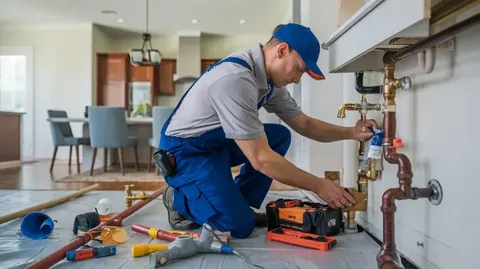
Living in a fast-paced urban environment like Singapore means your home’s plumbing system works overtime. From the moment you wake up to shower until you wash the dinner dishes, pipes, faucets, and water heaters are constantly under pressure. Yet, most homeowners only think about their plumbing when something goes wrong—a choking smell from the floor trap, a leaking pipe under the kitchen sink, or a water heater that suddenly stops working. The truth is that proactive plumbing maintenance Singapore experts follow a completely different approach. They focus on prevention, early detection, and routine checks that keep emergency calls to a minimum. By understanding how your specific climate and water usage patterns affect your pipes, you can avoid the stress, mess, and surprisingly high costs of major plumbing failures. This article reveals seven proven strategies used by veteran plumbers to extend the life of residential plumbing systems in HDB flats, condos, and landed properties alike.
Water damage is one of the most common and expensive household insurance claims in Singapore. Many policies have strict clauses about wear and tear, meaning if a pipe bursts because you neglected basic plumbing maintenance Singapore, you might end up paying thousands out of your own pocket. The good news is that consistent care is neither complicated nor time-consuming. With a few simple habits and a basic understanding of how your home’s water system operates, you can dramatically reduce the risk of sudden leaks, low water pressure, and unsanitary backups. The following sections break down exactly what to check, when to call a pro, and which small investments today can save you major headaches tomorrow.
Why Singapore’s Unique Climate Demands Smarter Plumbing Care
Singapore’s tropical climate is a blessing for outdoor living but a hidden challenge for indoor plumbing. High humidity, consistent rainfall, and warm temperatures create the perfect breeding ground for mold, mildew, and bacterial growth inside pipes and drainage systems. Unlike colder countries where pipes rarely face condensation issues, Singapore homes frequently battle with sweating pipes—where cold water lines collect moisture from the humid air, leading to hidden drips and corrosion over time. Additionally, the island’s hard water, which contains higher levels of calcium and magnesium, accelerates scale buildup inside water heaters and faucet aerators. Without regular plumbing maintenance Singapore routines, this scale reduces water flow and forces appliances to work harder, shortening their lifespan significantly.
Another climate-related factor is the frequency of storms and heavy rains, which can overwhelm external drainage systems and cause backflow into ground-floor units or basements. Many homeowners mistakenly believe that internal pipe maintenance has nothing to do with weather, but the reality is that clogged or poorly maintained internal drains cannot handle sudden surges of water during monsoon surges. That is why plumbing maintenance Singapore professionals always inspect roof gutters, floor traps, and sump pumps before the wet season begins. They understand that a small blockage today becomes a flooded kitchen tomorrow when rain combines with daily wastewater. Furthermore, the constant presence of cockroaches and rodents in urban environments means damaged pipe insulation or small cracks can quickly turn into infestation highways. Sealing gaps and ensuring proper pipe covers are part of any complete maintenance strategy.
Essential Checklist for Residential Plumbing Systems
Before diving into specific repairs or upgrades, every homeowner should establish a baseline of what a healthy plumbing system looks like. A thorough inspection involves more than just looking under sinks. You need to check visible pipes, listen for unusual sounds, and monitor your water meter for unexplained changes. The following checklist, used by experienced plumbing maintenance Singapore teams, covers the most critical areas in a typical HDB flat or condominium unit.
Start with your water heater, which is often the most neglected appliance. After three to five years of use, tank-style heaters accumulate a layer of sediment at the bottom, reducing efficiency and causing rumbling noises. Flush the tank annually to remove this buildup. Next, check all faucet aerators—those small screw-on tips at the end of taps. Unscrew them every six months and soak in vinegar to dissolve mineral deposits. If the water flow is uneven, clean or replace the aerator immediately. Third, inspect visible pipe joints under every sink. Use a dry paper towel to wipe the area; any dampness indicates a slow leak that will only worsen. Fourth, test your toilet tanks by adding a few drops of food coloring into the tank and waiting 15 minutes. If color appears in the bowl without flushing, the flapper valve needs replacement. Finally, pour water down every floor trap at least once a week to ensure the water seal remains intact, preventing sewer gas from entering your home.
How to Inspect Hidden Pipes Without Breaking Walls
Many homeowners panic at the thought of hidden pipes behind tiled walls or under concrete slabs. However, professional plumbing maintenance Singapore experts use non-invasive methods to assess these concealed systems. The most accessible tool is your water meter. Turn off all water-using appliances and faucets in your home, then check the meter. If the dial still moves, even slightly, you have an underground or in-wall leak. To narrow down the location, repeat the test while shutting off the main valve to different sections of your home if you have sub-valves installed. Another technique involves listening at night when ambient noise is low. Place a long screwdriver against a wall where you suspect a pipe and put your ear to the handle—you can often hear hissing or dripping sounds that indicate a leak behind the surface.
Thermal imaging cameras, while expensive for a single use, can be rented or borrowed from community tool libraries in Singapore. These devices detect temperature differences caused by leaking hot water or moisture buildup inside walls. If you notice a warm spot on a wall that should be cool, or a patch of mold growing despite good ventilation, call a specialist to investigate further. Remember that early detection of hidden leaks is the single most cost-effective action in plumbing maintenance Singapore, as repairing a small leak through a small access hole is far cheaper than replacing an entire wall after water damage has spread.
Five Signs Your Home Needs Immediate Plumbing Attention
Not every plumbing issue announces itself with a dramatic flood. In fact, most serious problems start with subtle signs that homeowners dismiss as minor annoyances. Learning to recognize these warnings can mean the difference between a $150 repair and a $3,000 renovation. Based on hundreds of service calls, professional plumbing maintenance Singapore providers have identified five key indicators that should never be ignored.
The first sign is a sudden increase in your monthly water bill without a corresponding change in usage. Even a 10% unexplained jump often points to a slow leak. Second, pay attention to the speed of drainage. If your bathroom sink takes longer than a few seconds to empty, or if you hear gurgling sounds from the toilet after running the washing machine, you have a partial blockage forming. Third, watch for rust-colored water or a metallic taste. This indicates corrosion inside galvanized steel pipes, common in older HDB flats built before the 1990s. Fourth, recurring clogs in the same fixture are not bad luck—they suggest a deeper obstruction in the branch line or main stack. Fifth, any musty or sewage-like odor, especially near drains, means your trap seal may have evaporated or a vent pipe is blocked.
Common Mistakes That Accelerate Pipe Damage
Even well-intentioned homeowners make errors that shorten the life of their plumbing systems. The most frequent mistake is using chemical drain cleaners for slow drains. These harsh products generate heat that can warp PVC pipes and damage the protective lining inside metal pipes. Moreover, they rarely clear the full blockage, instead burning a small hole through the clog that closes up again within weeks. A better approach is mechanical cleaning using a drain snake or enzymatic cleaners that digest organic matter without harming pipes. Another common error is overtightening fittings under sinks. Many people believe tighter connections prevent leaks, but over-torquing can crack brass or plastic nuts, creating the very problem they wanted to avoid.
Ignoring the water pressure regulator is another critical oversight. Singapore’s municipal water supply often enters homes at pressures between 4 and 6 bars, but most residential fixtures are designed for 2 to 3 bars. Without a functioning pressure reducing valve, your faucet washers, toilet fill valves, and flexible supply lines wear out up to five times faster. As part of your regular plumbing maintenance Singapore routine, have a plumber test your home’s static water pressure and adjust or replace the regulator if needed. Finally, many homeowners use their toilet as a trash can, flushing wet wipes (even those labeled “flushable”), cotton swabs, and dental floss. These items do not break down like toilet paper and accumulate into massive blockages called “fatbergs” inside main sewer lines.
Smart Preventive Measures That Save Money Long-Term
Investing in preventive measures is the hallmark of intelligent homeownership. When it comes to plumbing maintenance Singapore, a few hundred dollars spent on upgrades and regular inspections can prevent thousands in emergency repairs. One of the smartest investments is installing individual isolation valves for each water-using appliance. These small lever valves allow you to shut off water to a leaking washing machine or dishwasher without cutting supply to the rest of your home. They cost very little when installed during a renovation but save immense frustration during a sudden failure.
Another high-return measure is replacing all braided stainless steel supply lines every five to seven years. These lines, which connect toilets, faucets, and water heaters to the wall outlets, are a common point of catastrophic failure. The rubber inside degrades over time, and the braided exterior can hide bulging weak spots. Set a calendar reminder to inspect them annually and replace proactively. Additionally, consider installing water hammer arrestors on quick-closing valves like those in washing machines and dishwashers. Water hammer—the loud banging noise when a valve suddenly shuts—creates pressure spikes that can loosen pipe joints and damage fittings over time. Arrestors absorb that shock and extend system life significantly.
When to Call a Professional vs. DIY
Knowing your limits is an underrated skill in plumbing maintenance Singapore. While many tasks are suitable for a competent DIYer, others absolutely require a licensed plumber. You can safely clean aerators, replace toilet flappers, clear minor clogs with a plunger or hand snake, and flush your water heater. You should also feel comfortable checking for visible leaks and tightening loose handle screws on faucets. However, any work involving opening walls, cutting pipes, soldering copper, or modifying the main stack should be left to professionals. Working with gas water heaters or relocating any fixture carries serious safety and legal implications in Singapore’s regulated environment.
It is also wise to call a plumber if you have attempted a DIY repair twice and the problem returns. Recurring issues indicate a root cause you cannot address with basic tools. Similarly, any leak that has caused stained ceilings, bubbling paint, or warped flooring requires professional assessment, as mold may already be growing inside the structural layers. For HDB flats, certain plumbing works like moving the toilet position or altering the main riser require written approval and must be done by PUB-licensed plumbers. Attempting unauthorized modifications can result in fines or complications when you sell your unit.
How to Build a Year-Round Plumbing Care Schedule
Consistency beats intensity when it comes to plumbing maintenance Singapore. A simple quarterly schedule ensures nothing falls through the cracks and spreads the workload across manageable chunks. Start each quarter by testing water pressure and checking all visible pipe joints for moisture. Every three months, remove and clean all sink and bathtub strainers, which catch hair and debris before they enter the trap. Pour one bucket of hot water down each floor trap and infrequently used drain to flush out stagnant water and refill the trap seal. Wipe down the area around your water heater to check for any signs of leaking from the temperature and pressure relief valve.
On a semi-annual basis, conduct the food coloring test on all toilets and inspect washing machine hoses for cracking or bulging. This is also a good time to clean out the P-traps under sinks by unscrewing the cleanout plug or removing the entire trap with a bucket underneath. Many plumbing maintenance Singapore professionals recommend scheduling a professional inspection every two years, especially for homes older than 15 years. During this visit, the plumber can use a drain camera to inspect the condition of underground pipes and identify tree root intrusion or shifted joints before they cause a collapse. Keep a logbook of all maintenance activities, repairs, and replacements. This document becomes invaluable for warranty claims, insurance purposes, and when selling your property.
The True Cost of Neglecting Plumbing Maintenance
Financial calculations often help homeowners prioritize maintenance over reaction. A single burst pipe can easily release 200 gallons of water per hour. In a Singapore condominium, that water damages your unit, the unit below yours, and potentially common areas. The average insurance claim for water damage in Singapore ranges from $5,000 to $25,000, not counting the excess and potential premium increases. Compare that to the cost of an annual plumbing maintenance Singapore inspection, which typically runs between $150 and $300. The return on investment is staggering. Even smaller issues like a running toilet waste approximately 6,000 gallons of water per month—enough to raise your PUB bill by $50 to $80 monthly for a problem that takes a $10 flapper to fix.
Beyond direct monetary costs, neglected plumbing can affect your family’s health. Mold growth from persistent dampness triggers asthma, allergies, and respiratory infections. Biofilm inside old pipes can harbor legionella bacteria, which causes a severe form of pneumonia. Stagnant water in floor traps that have dried out allows sewer gas—containing methane and hydrogen sulfide—to enter living spaces, causing nausea and headaches. When you consider health impacts alongside repair expenses, the case for proactive care becomes undeniable. The small daily habits and regular checks described in this article represent one of the smartest investments you can make in your home’s longevity and your family’s well-being.
Frequently Asked Questions About Plumbing Maintenance in Singapore
How often should I schedule professional plumbing maintenance in Singapore?
For most residential properties, a professional inspection every 18 to 24 months is sufficient, provided you perform basic monthly checks yourself. However, if your home is over 25 years old, or if you have previously experienced multiple clogs or leaks, increase that to an annual inspection. Condominiums and landed properties with complex water circulation systems may benefit from a check every 12 months. Professional plumbing maintenance Singapore services typically include drain camera inspection, water pressure testing, thermal scanning for hidden leaks, and verification of all fixture connections. The key is to choose a licensed plumber who provides a written report after each visit, which helps you track changes over time.
Can hard water in Singapore damage my pipes even if I don’t see scale buildup?
Yes, absolutely. Hard water contains dissolved calcium and magnesium carbonate, which precipitate out as the water is heated. While you might not see thick white scale inside your pipes, even a thin 1mm layer reduces internal diameter enough to lower water pressure by 15-20%. More importantly, scale acts as an insulator inside your water heater, forcing the heating element to run longer and hotter to warm the water. This not only increases electricity bills by 10-25% but also shortens the heater’s lifespan by several years. Installing a whole-house water softener is one solution, but for many Singaporean HDB flats where space is limited, regular descaling of faucets, showerheads, and the water heater itself forms the backbone of effective plumbing maintenance Singapore.
What is the most common cause of toilet leaks that homeowners miss?
The most overlooked toilet leak source is the wax ring seal at the base of the toilet. Unlike a cracked tank or faulty flapper, a failed wax ring leaks only when someone sits on the toilet, because the weight compresses the already degraded seal. Many homeowners only notice a faint smell but never see visible water because it soaks into the flooring or subfloor. To test for this, place paper towels around the toilet base, sit down and shift your weight, then check for dampness. If you find moisture, the toilet must be lifted and the wax ring replaced. This is one repair where attempting DIY is risky if you lack experience, as improper reseating can cause recurring leaks and floor damage. A qualified plumbing maintenance Singapore service can complete the job in under two hours.
Why do my drains smell bad even though water flows fine?
A foul odor from drains without any blockage typically means the water seal in your floor trap or P-trap has evaporated. Every drain fixture has a curved section designed to hold water, which blocks sewer gases from rising back into your room. In Singapore’s humid environment, infrequently used drains like those in guest bathrooms or utility areas can dry out in as little as two weeks during hot weather. The solution is simple: pour about two liters of water down every drain at least once a week. If odors persist immediately after pouring water, you may have debris buildup on the inside of the trap that is harboring bacteria. Use a long brush or a mixture of baking soda followed by vinegar to clean the trap walls. Persistent odors after cleaning could indicate a cracked pipe underground, requiring professional camera inspection.
Is it worth repiping an old HDB flat, or should I just repair leaks as they appear?
This depends entirely on your pipe material. HDB flats built before 1986 often used galvanized steel pipes, which have a typical lifespan of 30 to 50 years in Singapore’s climate. By the 40-year mark, these pipes are universally corroded on the inside, restricting water flow and leaching brown sediment. If you have galvanized pipes and experience even minor recurring leaks, full repiping with modern copper or multi-layer composite pipes is almost always more economical than patchwork repairs. Each repair on old steel weakens adjacent sections, and you risk a major burst at any time. For newer HDB flats using copper pipes (post-1990), targeted repairs are fine unless you have multiple leaks within a two-year period. A trusted plumbing maintenance Singapore specialist can test a small section of your pipe to determine its wall thickness and recommend whether repiping is urgent or precautionary.
What should I do immediately after discovering a major water leak?
Time is your enemy during a major leak. First, locate your main water shutoff valve—every adult in the home should know where this is. In most Singapore HDB flats, it is found in the common corridor or service yard. Turn the valve clockwise until it stops. Second, open all faucets at the lowest point in your home (usually the kitchen sink) to drain remaining water from the pipes and reduce pressure on the leak point. Third, remove any furniture, electronics, or rugs from the wet area. Fourth, document the damage with photos and videos for insurance purposes before you clean anything. Fifth, call a 24-hour emergency plumber rather than waiting for regular business hours. Do not attempt to temporarily patch a burst pipe with tape or putty—this rarely holds and can give you a false sense of security while water continues to seep into hidden areas. After the immediate crisis is resolved, schedule a full plumbing maintenance Singapore inspection to understand why the failure occurred and prevent recurrence.







Leave a Reply