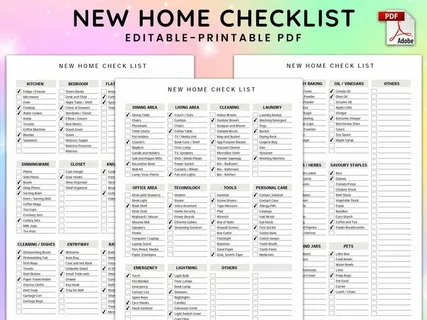
Living in Singapore presents a unique set of challenges for homeowners. Between the tropical humidity, the occasional monsoon surge, and the compact nature of HDB flats and condos, maintaining a home requires a very specific strategy. Most people clean when they see dust or repair something only when it breaks. That reactive approach often leads to costly emergency repairs, especially with aircon units or water heaters. After fifteen years advising property owners across the island—from Tanjong Pagar to Woodlands—I have seen that the families who sleep soundly are those who follow a disciplined home checklist Singapore standards demand. This is not about obsessive cleanliness. It is about creating a system that ensures safety, efficiency, and longevity for your largest asset.
A truly comprehensive home checklist Singapore residents can use goes far beyond wiping down countertops. It integrates seasonal awareness, structural integrity checks, and digital organization. The climate here accelerates wear on seals, paints, and electronics. Without a rotating schedule, you risk mold growth inside bedroom cabinets or corrosion in your bathroom fixtures. The following seven habits represent a professional-grade maintenance plan. They are designed to be completed in under two hours per month, yet they address ninety percent of the common household failures reported by Singaporean contractors. Whether you live in a five-room flat or a landed property, these actions will transform how you manage your living space.
Why Standard Cleaning Lists Fail in Humid Climates
Most generic cleaning templates originate from temperate countries where seasons change drastically. In Singapore, we do not have autumn leaves or freezing pipes, but we have relentless humidity and sudden storms. A standard checklist might tell you to vacuum carpets weekly, but it will rarely warn you about the condensation forming behind your wardrobe. This oversight is dangerous. High humidity levels, often hovering above eighty percent, create a breeding ground for dust mites and mold spores. These allergens directly impact respiratory health, especially for children and the elderly. Consequently, a proper home checklist Singapore properties require must prioritize moisture control and ventilation just as highly as surface cleaning.
Furthermore, the urban density here means many homes rely on mechanical ventilation rather than natural airflow. Toilets without windows, service yards that trap heat, and kitchens that lack range hoods all contribute to a stale internal environment. A generic checklist assumes you can open a window to air out a room. In a Singapore condo on the twenty-fifth floor, that might not be practical during the haze season or heavy rain. Therefore, your checklist needs specific actions like checking exhaust fan suction power and inspecting silicone seals around sinks. Ignoring these details leads to peeling wallpapers, warped parquet flooring, and a persistent musty smell that lowers your property’s valuation.
Essential Safety and Service Checks for High-Rise Living
Safety in a high-rise environment involves different priorities than landed housing. For instance, gas heaters are common in older flats, while new condos use electric instant heaters. Your home checklist Singapore authorities recommend includes testing the residual current circuit breaker every six months. This small device, located in your distribution box, prevents electrocution during a short circuit. Press the test button to ensure it trips immediately. If it does not, call a licensed electrician without delay. Additionally, check the grilles on your windows and balconies. In a recent five-year period, several accidents occurred due to corroded window brackets. Simply pulling on the grille with moderate force can reveal loose fittings.
Fire safety is another non-negotiable aspect. Ensure your fire alarm battery is functional, and the hose reel outside your flat is accessible. Many Singaporeans store shoes or potted plants in front of the hose reel cabinet, which delays emergency response. Your checklist should include a monthly visual inspection of the common corridor. Remove any obstructions immediately. Also, verify that your main gas valve turns off smoothly. In the event of a leak, you need to be able to cut the supply within seconds. These are not paranoid actions; they are standard professional recommendations for any home checklist Singapore insurer looks at when processing claims. A failure to perform these basic checks can void your home insurance policy.
The Role of Professional Servicing Agreements
While DIY checks are vital, certain systems require certified technicians. Air conditioners are the prime example. A dirty evaporator coil not only spikes your electricity bill by up to thirty percent but also breeds Legionella bacteria. Your checklist should record the date of your last chemical wash and the next due date. Similarly, your water heater needs annual inspection for sediment buildup, especially if you notice reduced flow or strange rumbling noises. Professional servicing agreements cost slightly more upfront but prevent catastrophic failures that flood your downstairs neighbor. A single water leak repair in a condo can cost over two thousand dollars, not including the neighbor’s damages. Therefore, line items for professional bookings are a critical part of any serious home checklist Singapore owner must maintain.
Organizing the Pantry and Kitchen for Tropical Storage
Kitchen storage in Singapore requires a different strategy than in cooler climates. Dry goods like rice, flour, and nuts attract pantry moths within two weeks if stored improperly. Your home checklist Singapore families should follow includes transferring all open dry goods into airtight glass or heavy-duty plastic containers. The original paper or plastic packaging is not sufficient against weevils, which can chew through thin materials. Furthermore, check your refrigerator’s rubber gasket. A loose seal lets humid air inside, causing the compressor to work harder and ice to form on the back wall. Run a piece of paper through the closed door; if it slides out easily, replace the gasket.
Stainless steel surfaces in Singapore kitchens also require specific care. The local cooking style—frying shallots, making sambal, or deep-frying spring rolls—produces a fine oil mist that settles on cabinets and walls. Your weekly checklist must include degreasing the area above the stove. Use a mild alkaline cleaner rather than just soap, as soap often smears the oil around rather than dissolving it. Neglecting this leads to a sticky residue that traps dust and becomes extremely difficult to remove after six months. Additionally, verify that your rubbish bin lid seals tightly. Cockroaches and ants are attracted to organic waste, and a loose lid invites an infestation that spreads to the living room. A clean kitchen is fundamentally about engineering barriers, not just wiping spills.
Managing the Service Yard and Laundry Area
The service yard is arguably the most neglected zone in any home checklist Singapore dwelling. This small, often wet area collects lint from dryers, stagnant water from washing machine drains, and fallen leaves from neighboring units. Check the floor trap once a month. Remove hair and lint buildup to prevent clogging. When the floor trap clogs, water backs up into the kitchen during a heavy rainstorm, causing damage to your cabinet bases. Also, inspect the washing machine inlet hose. Rubber hoses degrade under Singapore’s heat and can burst suddenly. Replace them every three years with stainless steel braided hoses. This one action alone prevents a common and devastating type of water damage.
Furthermore, if you use a gas dryer, never run it overnight. Lint accumulation inside the dryer vent is a major fire hazard. Your home checklist Singapore regulations implicitly support cleaning the lint filter after every single cycle. Additionally, check the outdoor dryer vent cover to ensure birds or lizards have not built a nest there. A blocked vent reduces drying efficiency and creates a fire risk inside the machine. Finally, look at the caulking around the service yard window. Silicone degrades under UV light and moisture. Reapply it as soon as you see dark spots or peeling edges. Water seeping through a failed seal will rot wooden door frames within two years, necessitating expensive carpentry work.
Deep Cleaning The Living Room After Rainy Seasons
The Northeast Monsoon season, typically from December to early March, brings prolonged heavy rain. This period introduces unique challenges for your living room. Humidity spikes can reach ninety-five percent, causing wooden furniture to expand and leather sofas to develop mold spots. Your home checklist Singapore should have a dedicated “post-monsoon” section. Inspect the back of your TV console and sofa for white powdery mold. Treat it immediately with a diluted vinegar solution, not bleach, as bleach only whitens the mold without killing the roots embedded in porous wood. Dehumidifiers running for four hours daily during this period can save thousands of dollars worth of furniture.
Another hidden danger is the growth of mold inside light fixtures and aircon ledges. Condensation inside ceiling LED lights can cause short circuits. If you notice flickering lights during a rainy week, turn off the circuit breaker and inspect the fixture for moisture. Similarly, look at the wall area behind your television. The heat from the TV combined with cold wall surfaces creates a microclimate for mold. Wipe this area monthly with a dry microfiber cloth. A comprehensive home checklist Singapore experts swear by includes moving furniture slightly away from the walls to allow air circulation. Pressing furniture directly against the wall traps humidity and creates cold spots where mold thrives invisibly.
Curtains, Blinds, and Upholstery Care
Soft furnishings trap more allergens than any other surface. Curtains act as air filters; after six months, they hold significant amounts of dust and mite feces. Your professional home checklist Singapore should mandate a wash of all curtains and machine-washable cushion covers every three months. For dry-clean-only items like heavy drapes, use a handheld steamer to kill dust mites and remove surface dust in between professional cleanings. Do not ignore the top of curtain rods. That ledge collects dust that falls every time you open or close the curtains.
Leather sofas are popular in Singapore for their sleek look, but they crack in air-conditioned rooms because the dry AC air pulls moisture out of the leather. Use a leather conditioner every two months to maintain suppleness. For fabric sofas, vacuum the crevices thoroughly. Many people vacuum the seats but forget the gaps between seat cushions. Those gaps contain skin cells, food crumbs, and thousand of dust mites. A proper home checklist Singapore requires turning the sofa upside down occasionally to examine the bottom dust cover. If it is torn, dust and debris fall onto your floor and recirculate through the air whenever someone sits down.
Bathroom Maintenance to Prevent Water Seepage
Bathrooms in Singapore are constant battlefields against moisture. Leaking shower screens, faulty cisterns, and clogged floor traps are the top three complaints. Your home checklist Singapore needs to test the shower screen seal weekly. After a shower, run your finger along the bottom edge of the glass door. If you feel water, the rubber sweep needs replacement. Water that escapes the shower area soaks into the bathroom floor tiles. Over years, this water seeps through grout lines and causes efflorescence (white salt stains) on the walls of the room below. Ceiling stains in the living room often originate from a tiny gap in a bathroom sealant two floors above.
The cistern of your toilet bowl also demands attention. Lift the lid and look at the flushing mechanism. A slow leak from the flapper valve can waste up to two hundred liters of water per day without making any audible sound. Add a few drops of food coloring into the cistern. If color appears in the bowl within fifteen minutes without flushing, you have a silent leak. Fixing the flapper costs under ten dollars from any hardware shop. Ignoring it adds hundreds to your PUB bill annually. Additionally, check the ventilation fan. If the fan takes longer than two seconds to start spinning or makes a grinding noise, the motor bearings are failing. Replace it before it seizes and causes the bathroom to remain damp for hours after every shower, leading to mold on the ceiling.
Grout, Sealants, and Drain Hygiene
The silicone sealant around your bathtub or shower base should be completely white or clear with no black spots. Black spots indicate mold growing behind the sealant, not just on the surface. At that point, cleaning the surface does nothing. You must remove the old sealant and apply a fresh bead. This is a bi-annual task in any home checklist Singapore homeowner should budget for. Similarly, inspect the grout between floor tiles. If you see hairline cracks, water is seeping below the tiles. There, it stagnates and causes a foul sewer-like smell in the bathroom. Seal the grout with a penetrating grout sealer every six months.
Drain hygiene is critical for preventing the “drain fly” infestation. These tiny black flies breed in the organic sludge inside the trap. Pour one cup of baking soda followed by one cup of white vinegar down the floor trap, let it fizz for thirty minutes, then flush with boiling water. Repeat this monthly. Do not use bleach weekly, as it kills the natural bacteria that break down soap scum and actually leads to harder blockages. A strategic home checklist Singapore approach uses enzyme-based drain cleaners once a quarter to maintain clear pipes without damaging the seals.
Electrical Safety in Older HDB Flats
If your flat was built before 1990, the electrical wiring may not support modern appliance loads. A critical item on your home checklist Singapore is the electrical load assessment. List all high-power appliances: air conditioner (1,200W), water heater (3,000W), microwave (1,500W), and iron (1,000W). If these run simultaneously on the same circuit, you risk a trip or even a fire. Use an energy meter to check that you do not exceed 80% of your circuit breaker’s rating. Additionally, examine your power sockets for discoloration. Brown or black marks around a plug indicate arcing, which generates intense heat. Stop using that socket immediately and hire a licensed electrician to replace it.
Older homes often lack enough grounded (three-pin) sockets. Using two-pin adapters for high-power appliances is dangerous. The third pin is the earth wire, which shunts stray current to the ground. Without it, a metal-cased appliance can become electrified. Your home checklist Singapore should require replacing any ungrounded two-pin socket with a proper three-pin grounded unit. This is not a DIY job; local regulations require a certified electrician. Also, test the polarity of your sockets using a simple plug-in tester. Reversed polarity (where live and neutral wires are swapped) prevents switches from fully disconnecting the power, leaving appliances live even when turned off. This hidden danger is alarmingly common in renovated resale flats.
Surge Protection and Lighting Maintenance
Singapore experiences frequent electrical storms. Lightning strikes near the power grid send voltage surges through your cables, frying sensitive electronics like smart TVs, routers, and refrigerator control boards. Your checklist must include installing a Type 3 surge protector power strip for all expensive electronics. A cheap power strip without a surge protector offers zero protection. For the entire home, consider a Type 2 surge arrester installed in the distribution box. This professional-grade device is a wise investment for any home checklist Singapore property valued over five hundred thousand dollars.
Check your light fittings for flicker. LED bulbs eventually fail by flickering or dimming slowly. When an LED fails, it does not burn out like incandescent; instead, its driver circuit overheats. A failing driver can eventually short circuit. Replace flickering LEDs immediately. Also, inspect chandeliers or pendant lights for loose screws. The vibration from nearby traffic or construction work can loosen ceiling mountings over time. A falling light fixture is a serious safety hazard, especially in bedrooms above sleeping areas. Include a “tighten hardware” session in your quarterly home checklist Singapore to prevent such accidents.
Bedroom Health and Sleep Hygiene
Your bedroom should be a sanctuary, but many Singaporean bedrooms are unintentional health hazards. The typical setup—an air conditioner running all night in a sealed room—creates extremely dry air and traps carbon dioxide. Your home checklist Singapore should include checking the CO2 levels. If you wake up with a headache or dry throat, your room lacks fresh air. Crack a window slightly or install a mechanical ventilator. Furthermore, strip your bedding completely every week. The average mattress doubles in weight over ten years due to dust mite accumulation. Use a mite-proof encasement for the mattress and pillows, and wash these encasements in hot water (sixty degrees Celsius) every two months.
Closet hygiene is another forgotten zone. Singapore’s humidity causes mold to grow on leather bags and shoes. Place rechargeable dehumidifiers inside your wardrobe and recharge them religiously every two weeks. Do not store clothes directly against external walls. Leave a two-inch gap for air circulation. Your home checklist Singapore should also involve a seasonal wardrobe rotation. At the change of the monsoon season, remove all clothes, vacuum the closet interior, and wipe down shelves with a tea tree oil solution (natural anti-fungal). This prevents the musty smell that often permeates clothes stored for just one month.
The Balcony and Planter Box Maintenance
Many newer condos feature planter boxes integrated into the balcony. While aesthetically pleasing, they are engineering nightmares if neglected. Soil can become waterlogged during heavy rain, increasing the structural load and potentially causing cracks. Check the drainage holes of your planter boxes weekly. If water pools, clear the debris. Standing water in planters is a breeding ground for Aedes mosquitoes, which is a legal offense in Singapore. The National Environment Agency can fine homeowners for allowing mosquito breeding. Therefore, a legal component of any home checklist Singapore must be the “anti-mosquito” inspection: overturn any stagnant water, apply sand granular insecticide to planters, and ensure no discarded bottles or cans collect rainwater anywhere on the balcony.
Additionally, inspect the balcony railing’s anchoring bolts. The constant expansion and contraction from humidity can loosen these bolts. A rattling railing is a sign of imminent failure. Tighten them with a wrench. Also, look at the waterproof membrane of the balcony floor. If you see blistering or peeling paint, water is penetrating the concrete. Over time, this corrodes the rebar inside the slab, causing concrete spalling (flaking). Spalling concrete is not just ugly; it weakens the structure. A proactive home checklist Singapore schedules a waterproofing contractor every five years for high-exposure areas like balconies and flat roofs.
Creating a Digital Home Inventory for Insurance
One task that almost no one does, but which pays off enormously, is creating a digital home inventory. Take a video walkthrough of your entire home, opening every drawer and closet. Narrate the make, model, and approximate purchase date of expensive items like your laptop, television, and jewelry. Store this video in the cloud and on a thumb drive kept at a relative’s home. This is a vital part of a home checklist Singapore insurers require when you file a claim after a fire, flood, or theft. Without a prior inventory, you will struggle to prove what you owned, and the insurance company will pay out the minimum.
Update this inventory annually. Add receipts for new purchases and remove items you have sold or discarded. Tag the update to a memorable date, such as Chinese New Year cleaning or the start of the school term. Also, include scans of your warranty cards. Many warranties require the original receipt and card; having digital copies saved to the cloud ensures you can make a claim even if the paper copies were destroyed in the same incident. This digital habit turns your home checklist Singapore into a financial protection tool, not just a cleaning schedule.
The Monthly Review Routine
Set aside the first Saturday of every month for a “power hour” of home maintenance. Walk through the entire unit with a notepad. Start at the main door, check the locks and hinges. Move to the kitchen, check for leaks under the sink. Go to the service yard, inspect the washing machine hoses. Move to the bathrooms, test the cisterns and fans. End in the bedrooms, checking wardrobes for moisture. This structured routing ensures you never miss a zone. Write the results down in a logbook. Over time, this logbook becomes a valuable document. When you sell your flat, a well-documented home checklist Singapore record proves to potential buyers that the property has been responsibly maintained, often justifying a higher asking price.
Frequently Asked Questions
1. How often should I perform a full home checklist in Singapore?
You should perform a basic visual inspection monthly, a deep functional check quarterly, and a professional servicing coordination bi-annually. The monthly check takes about one hour and focuses on safety devices like circuit breakers, hose leaks, and mosquito breeding spots. The quarterly check involves testing appliances, cleaning filters, and inspecting sealants. The bi-annual check is for scheduling aircon chemical washes, dryer vent cleaning, and wardrobe dehumidifier recharging. This cadence aligns with Singapore’s weather patterns, catching monsoon-related moisture damage before it becomes severe.
2. What is the most overlooked item on home checklists in Singapore?
The most overlooked item by a significant margin is the washing machine inlet hose and the dryer lint trap. People focus heavily on visible areas like the living room floor or kitchen counter, but they ignore the service yard. A burst washing machine hose can release dozens of liters of water within minutes, flooding not just your kitchen but also the unit below you. Similarly, ignoring the dryer lint trap is a leading cause of household fires in Singapore. These two items alone are responsible for the majority of emergency home repair calls I have consulted on over the past fifteen years.
3. Can I use a generic home checklist from the internet?
You can, but you should heavily modify it. Generic checklists from Western countries focus on tasks like winterizing pipes or cleaning gutters, which are irrelevant here. They also lack critical items specific to high-rise tropical living, such as checking exhaust fan suction, testing RCCB safety switches, inspecting planter box drainage, or managing dehumidifiers in wardrobes. A proper home checklist Singapore families require is thirty percent shorter in some areas but much deeper in moisture control and electrical safety. Always customize any template by adding the specific concerns of HDB or condo living.
4. How do I remove mold from silicone sealants without replacing them?
You cannot permanently remove mold from silicone sealant. Once mold roots penetrate the silicone’s surface, cleaning only removes the black stain temporarily. The mold will reappear within two weeks because the roots remain alive beneath the sealant. The only permanent solution is to scrape out the old sealant, disinfect the underlying surface with bleach, dry it completely, and apply new, mold-resistant silicone sealant. This task should appear on your bi-annual home checklist Singapore for showers and kitchen sinks. Prevention is better: dry shower walls and floors with a squeegee after every use to keep the sealant dry.
5. How does a home checklist affect my property resale value significantly?
Maintaining a documented checklist log provides tangible proof of responsible ownership. When a buyer hires a surveyor, they often find historical water damage or electrical cobbling. If you can produce a log showing regular servicing of the aircon, replacement of the water heater hoses, and clearance of drains, the buyer gains confidence. This reduces the likelihood of them lowballing you to cover unknown defects. In competitive Singapore property transactions, a well-maintained home with records can sell for three to five percent more than an identical unit across the hall that shows signs of neglect. The checklist is an investment that pays back at resale.
6. What tools do I need to complete a home checklist effectively?
You do not need expensive tools. A basic toolkit should include: a voltage tester to check sockets, a small flashlight to look behind appliances, a set of hex keys for tightening furniture, a roll of plumber’s tape for minor leak repairs, a squeegee for bathroom walls, a pair of adjustable pliers for the washing machine hose, food coloring for the cistern leak test, and a simple notepad to record dates. All these items cost under fifty dollars total. Having them stored in a dedicated “home maintenance drawer” ensures you perform your home checklist Singapore quickly without hunting for tools each time.







Leave a Reply