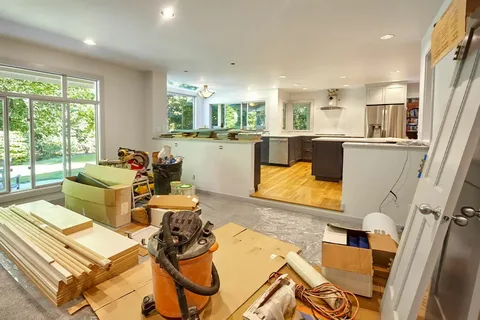
wall maintenance singapore means embracing tropical living at its finest, but it also means battling constant humidity, sudden rain showers, and the ever-present risk of mold and peeling paint on your interior and exterior walls. Wall maintenance in Singapore is not just about keeping your home looking pristine; it is about protecting your most valuable asset from the silent damage caused by moisture, heat, and urban pollution. Many homeowners only notice wall problems when stains appear or paint begins to flake, but by then, the underlying issue has often been developing for months. Proper wall maintenance in Singapore requires a proactive approach that combines regular inspections, the right cleaning techniques, and professional interventions at the right time. Whether you live in a HDB flat, a condominium, or a landed property, the principles of effective wall care remain surprisingly similar. Understanding how tropical climate affects different wall materials will help you avoid costly repairs and preserve the beauty of your living spaces for years to come.
The most common mistake homeowners make is treating wall maintenance as an afterthought. Walls are constantly exposed to fluctuating temperatures, cooking moisture, air conditioner condensation, and even the salts carried by sea breezes in coastal areas like East Coast or Sentosa Cove. Over time, these environmental stressors weaken paint adhesion, encourage efflorescence—those white powdery deposits on masonry—and create micro-cracks that expand during monsoon seasons. Effective wall maintenance in Singapore starts with recognizing that every room has unique needs. Your bathroom walls face different challenges than your living room, and your exterior walls endure UV radiation and acid rain that interior walls never experience. By adopting a room-by-room maintenance strategy, you can allocate your efforts where they matter most and prevent small issues from escalating into structural headaches.
Understanding Why Singapore Walls Deteriorate Faster
Tropical humidity is the number one enemy of well-maintained walls. Singapore’s average relative humidity hovers around 84 percent year-round, creating an environment where mold spores thrive and moisture seeps into microscopic pores in paint and plaster. Unlike temperate countries where walls dry out quickly between seasons, Singapore’s walls remain damp for extended periods, especially in poorly ventilated areas like storerooms, behind heavy furniture, and in kitchens without range hoods. Wall maintenance in Singapore must account for this persistent moisture by prioritizing breathable paints, adequate ventilation, and routine mold prevention treatments. Another overlooked factor is the quality of construction materials used in different eras. Older HDB flats built in the 1980s and 1990s often used lime-based plasters that are more susceptible to moisture absorption, while newer developments feature moisture-resistant drywall and waterproof membranes. Knowing what lies beneath your paint helps you choose the right maintenance products and techniques.
Urban pollution adds another layer of complexity. Vehicle emissions, construction dust, and industrial particulates settle on exterior walls and gradually form a grayish film that traps moisture against the surface. This film is slightly acidic, which accelerates the breakdown of paint binders and leaves walls looking dull and dirty long before the paint actually fails. High-rise buildings face additional challenges from wind-driven rain that hits walls at oblique angles, forcing water into hairline cracks that would remain dry in calmer conditions. For condominiums and apartments above the 20th floor, wind pressure alone can cause exterior wall coatings to blister and peel within two to three years if the original application was substandard. Effective wall maintenance in Singapore for high-rise residents involves regular visual inspections using binoculars from the opposite block or hiring professionals with drone inspection capabilities.
The 7 Essential Wall Maintenance Strategies for Long-Lasting Protection
Strategy One: Monthly Visual Inspections That Catch Problems Early
Before you clean or repair anything, you need to know exactly what you are dealing with. A systematic monthly walkthrough of every wall in your home takes less than fifteen minutes but can save you thousands in restoration costs. Start by examining corners where ceilings meet walls, as these junctions experience the most thermal movement and often develop the first visible cracks. Look for discoloration patterns that might indicate slow leaks from plumbing pipes embedded in walls, especially near bathrooms and kitchen sinks. Wall maintenance in Singapore should include a tactile check as well—run your palm over flat wall surfaces to feel for subtle bumps or soft spots that suggest bubbling paint or deteriorating plaster behind the surface. Pay special attention to areas behind curtains, large paintings, and wardrobes, as these spots receive little airflow and are prime locations for hidden mold growth.
Document what you find with dated smartphone photos. Over several months, these images create a timeline that reveals whether a crack is stable or expanding, whether a water stain is drying out or spreading, and whether mold returns quickly after cleaning. This documentation is incredibly valuable when you eventually hire a professional for wall maintenance in Singapore, as it gives them concrete evidence of how problems evolve. Many contractors offer free quotations, but those quotes are only as accurate as the information you provide. A homeowner who can say, “this crack appeared three months ago and has grown two centimeters since then,” enables the contractor to diagnose underlying structural movement versus simple paint shrinkage. During your monthly inspection, also check for efflorescence—those chalky white deposits on masonry walls near external doors or windows. While efflorescence itself is not structurally damaging, it signals ongoing moisture migration that will eventually weaken the wall if left unaddressed.
Strategy Two: Proper Cleaning Techniques That Don’t Damage Paint
Cleaning walls incorrectly causes more damage than leaving them dirty. Many Singapore homeowners reach for bleach solutions or abrasive sponges when they see black mold spots, but these aggressive methods strip protective topcoats and create micro-scratches where mold regrows even faster. The correct approach to wall maintenance in Singapore begins with dry dusting using a microfiber cloth or a vacuum cleaner with a soft brush attachment. Dust and cobwebs absorb moisture from the air, turning into damp breeding grounds for mold, so removing them regularly is a simple but powerful preventive measure. For actual stains, start with the mildest possible cleaner—a few drops of dishwashing liquid diluted in warm water. Apply this solution with a soft sponge using gentle circular motions, then dry the area immediately with a clean towel. Never let cleaning solution pool on the wall or air-dry slowly, as prolonged dampness encourages the very problems you are trying to eliminate.
For stubborn mold patches that persist after gentle cleaning, use white distilled vinegar rather than bleach. Vinegar kills approximately 82 percent of mold species at the root level, while bleach only whitens the surface and leaves water behind that feeds deeper mold colonies. Apply undiluted vinegar with a spray bottle, let it sit for ten minutes, then wipe with a damp cloth and dry thoroughly. This method is part of responsible wall maintenance in Singapore because vinegar is non-toxic, does not emit harmful fumes, and will not degrade your paint’s chemical structure. For grease stains near kitchen stoves, a paste made from baking soda and water works remarkably well. Apply the paste, let it dry completely, then gently scrape it off with a plastic spatula before wiping the residue with a damp cloth. Never use steel wool, scouring powders, or pressure washers on interior walls, as these tools remove paint and create entry points for moisture.
Strategy Three: Humidity Control Through Passive and Active Methods
Reducing indoor humidity is the single most effective investment you can make for long-term wall health. Air conditioners are obvious allies in this fight, but they also create condensation on walls immediately surrounding the unit if the temperature differential is too extreme. Set your AC to 24 or 25 degrees Celsius rather than blasting it at 18 degrees—this smaller temperature gap reduces condensation while still lowering humidity to comfortable levels. Wall maintenance in Singapore benefits enormously from portable dehumidifiers in problem areas like master bedroom walk-in wardrobes, windowless storerooms, and basement levels in landed properties. These devices can extract several liters of water from the air daily, dramatically reducing the moisture available for mold growth. Positioning furniture at least five centimeters away from walls allows air to circulate behind cabinets and headboards, preventing the still-air zones where mold flourishes.
Passive humidity control is equally important and often overlooked. Exhaust fans in bathrooms and kitchens should run for at least twenty minutes after showering or cooking to expel moisture-laden air. Consider upgrading to humidity-sensing exhaust fans that activate automatically when moisture levels rise. For homes without mechanical ventilation, simply opening opposing windows on dry days creates cross-ventilation that flushes out damp air. The northeast monsoon season from December to March brings particularly high humidity and frequent rain, so increase your dehumidification efforts during these months. Another clever passive strategy involves using hygroscopic materials like bamboo charcoal bags or calcium chloride moisture absorbers placed discreetly in corners and behind furniture. While these are not substitutes for mechanical dehumidification, they provide targeted moisture control in small enclosed spaces. Effective wall maintenance in Singapore requires a year-round humidity management plan, not just reactive cleaning after problems appear.
Strategy Four: Timely Crack Repair Using the Right Materials
Not all cracks are emergencies, but ignoring any crack for too long invites moisture intrusion that expands the damage. Hairline cracks less than one millimeter wide are usually cosmetic and can be filled with flexible acrylic caulk during routine wall maintenance in Singapore. However, cracks wider than two millimeters or those that show signs of movement—one side sitting higher than the other—indicate structural settlement or foundation issues that require professional evaluation. Before repairing any crack, clean out loose debris using a vacuum or compressed air, then widen the crack slightly with a scraper to create a V-shaped channel that holds filler material more securely. Apply a bonding primer to the cleaned crack before filling, as this ensures the repair adheres to the old wall surface rather than simply sitting on top.
For interior walls, use lightweight spackle or pre-mixed joint compound for small repairs and hydraulic cement for larger gaps in masonry walls. Exterior repairs demand different products because they must withstand rain, UV exposure, and thermal expansion. Exterior-grade acrylic caulk with silicone additives remains flexible for years without cracking, making it ideal for wall maintenance in Singapore’s tropical climate where temperatures swing between air-conditioned coolness and outdoor heat multiple times daily. When applying caulk, push it deep into the crack rather than just smearing it across the surface, then smooth it with a wet finger or a caulking tool. Allow the repair to cure completely—typically 24 to 48 hours—before painting over it. Rushing to paint traps moisture inside the repair area and causes premature failure. For cracks in load-bearing walls or those that reappear shortly after repair regardless of your technique, consult a structural engineer rather than continuing to patch symptoms.
Strategy Five: Mold Prevention Treatments That Actually Work
Killing visible mold is only half the battle; preventing its return is where successful wall maintenance in Singapore truly happens. After cleaning mold using the vinegar method described earlier, apply a mold-inhibiting primer to the affected area before repainting. These primers contain antimicrobial agents that remain active in the dried paint film for several years, continuously suppressing spore germination. Zinsser’s Mold Killing Primer is widely available in Singapore hardware stores, but any reputable brand with EPA-approved fungicides will work. For severe or recurring mold problems, consider adding a mold inhibitor additive to your entire paint can rather than just spot-treating problem areas. This approach costs slightly more upfront but dramatically reduces maintenance frequency over the following three to five years.
Ventilation improvements often eliminate mold problems more effectively than any chemical treatment. Installing a ceiling-mounted ventilation fan in a persistently moldy bedroom or adding trickle vents to windows provides continuous fresh air exchange that keeps surface moisture from accumulating. In rental properties where you cannot make structural changes, simply leaving closet doors slightly ajar and using battery-operated air circulators can make a meaningful difference. Another often-ignored factor is indoor plants—while they beautify spaces, they also release moisture through transpiration. A single large fern can add over a liter of water to a room’s air daily. If you love indoor plants, group them near windows or doors where excess moisture can escape, rather than placing them against walls where their humidity output concentrates. Effective wall maintenance in Singapore recognizes that mold prevention is fundamentally about moisture management, not just chemical sprays.
Strategy Six: Paint Selection and Touch-Up Scheduling
Choosing the right paint dramatically reduces your wall maintenance workload. Singapore’s paint market offers specific formulations designed for tropical conditions, including anti-fungal additives, moisture resistance, and alkali resistance for new concrete walls. Premium brands like Nippon Paint’s Weatherbond series and Dulux’s Pentalite line include these features as standard, while economy paints often omit them to reduce cost. When comparing products, look for the Singapore Green Label certification, which indicates low volatile organic compounds and environmental responsibility without compromising performance. Wall maintenance in Singapore becomes noticeably easier with high-quality paints because they resist dirt pickup, repel water more effectively, and maintain flexibility longer than budget alternatives. A good paint costs approximately twice as much per liter as a basic paint, but it lasts three to four times longer, making it actually cheaper over the life of your home.
Scheduling touch-ups before complete repainting is an advanced technique that extends paint life significantly. Rather than waiting for widespread failure, examine your walls every six months and touch up high-wear areas like hallway corners, areas behind doors, and spots near light switches. Use the original paint can—always save leftover paint in a sealed container stored away from direct sunlight and temperature extremes. Before touching up, clean the area thoroughly and feather the new paint outward from the repair center to blend edges with the surrounding wall. For exterior walls, perform touch-ups during the dry months of June through August when humidity is relatively lower and rain is less frequent. Never paint in rainy weather or immediately after a storm, as trapped moisture will cause blistering within weeks. A well-planned touch-up schedule can delay full repainting by two to three years, representing substantial savings over time.
Strategy Seven: Professional Assessment Every 18 Months
Even diligent homeowners benefit from professional eyes on their walls periodically. Hiring a wall maintenance specialist in Singapore every 18 months provides a baseline assessment that catches issues your untrained eye might miss. Professionals use moisture meters to detect hidden dampness behind seemingly dry paint, thermal imaging cameras to find cold spots that indicate missing insulation or water intrusion, and hardness testers to evaluate plaster integrity. These diagnostic tools reveal problems long before they become visible, allowing preventive repairs that cost a fraction of emergency restoration. When selecting a contractor for wall maintenance in Singapore, look for those certified by the Building and Construction Authority or those with proven experience in your specific building type—HDB flats have different wall systems than private condominiums or terrace houses.
During a professional assessment, ask for a written report with photographs and recommended timelines for each identified issue. Prioritize repairs that affect structural integrity or create health hazards like toxic black mold, and defer purely cosmetic concerns to align with your budget. A good contractor will also provide maintenance training, showing you exactly what to watch for in your specific home between professional visits. Some Singapore companies now offer subscription-based maintenance plans where they visit quarterly to inspect, clean, and perform minor repairs, removing the burden of remembering schedules from busy homeowners. While these plans cost money, they often pay for themselves by catching water leaks early and preventing mold from spreading to adjacent rooms. The peace of mind from knowing your walls are professionally maintained is difficult to overstate, especially for property owners who travel frequently or rent out their units.
Common Wall Maintenance Mistakes That Cost Singapore Homeowners
Relying on air conditioning alone for humidity control is a frequent error. While air conditioners do remove moisture from air, they only condition the air in rooms where they operate. Closed bedrooms, storerooms, and hallways without AC units remain humid, creating moisture gradients that actually draw damp air from treated spaces into untreated ones. Balanced wall maintenance in Singapore requires whole-home humidity management, not room-by-room spot treatment. Another pervasive mistake involves using waterproof paint on interior bathroom walls without addressing the source of moisture. Waterproof paint traps existing moisture inside the wall rather than letting it breathe, leading to blistering and delamination from within. The correct approach is fixing leaks and improving ventilation first, then applying appropriate paint second.
Using candles and incense burners near walls creates soot stains that are notoriously difficult to remove without repainting. Many residents of older Singapore homes enjoy the ambiance of traditional incense, but the combustion particles adhere to wall surfaces and gradually form dark, greasy patches. If you burn incense regularly, position burners at least 60 centimeters from any wall and use a smoke absorber or small fan to disperse particles. Ignoring efflorescence until it becomes a thick crust is another common oversight. Early efflorescence wipes away with a dry cloth and mild brushing, but established deposits require chemical cleaners and can permanently etch masonry surfaces if left too long. Finally, storing boxes and furniture tightly against exterior walls blocks airflow and creates cold spots where condensation forms, even on dry days. Leave a small gap behind all stored items to maintain air circulation as part of basic wall maintenance in Singapore.
Expert Tips for Extending Paint Life Beyond Five Years
The average interior paint job in Singapore lasts four to six years, but strategic practices can push that to eight or even ten years. One expert technique involves applying a clear masonry sealer over painted exterior walls as a sacrificial layer that absorbs UV damage and pollution instead of the color coat beneath. These sealers cost around 50 dollars per liter and add one day to a painting project, but they extend the life of the color coat by several years. Another professional secret is washing exterior walls with a garden hose every two months during dry weather to remove accumulated dust and grime before it bonds chemically to the paint. Never use a pressure washer on painted walls unless the paint is specifically rated for high-pressure washing, as most residential paints will strip under anything above 800 psi.
Interior wall maintenance in Singapore benefits from the “quarterly wipe” practice—every three months, take a slightly damp microfiber cloth and wipe down all walls from floor to ceiling. This removes microscopic dust and skin oil particles that attract mold spores and gradually degrade paint binders. Use only water, no soap, for these quarterly wipes to avoid chemical buildup. For homes with young children who touch walls constantly, consider installing clear corner guards on high-contact areas rather than repainting scuff marks every six months. These guards are nearly invisible once installed and can be removed without damaging paint when children outgrow the messy phase. Finally, keep records of all paint products used, including batch numbers and application dates. When touch-ups become necessary, having this information ensures color matches and product compatibility, eliminating the guessing game that often leads to mismatched patches.
Frequently Asked Questions About Wall Maintenance in Singapore
How often should I repaint my walls in Singapore’s humid climate?
Interior walls typically need repainting every four to six years, while exterior walls require attention every three to five years depending on sun exposure and pollution levels. However, these timelines vary significantly based on paint quality, ventilation, and maintenance habits. Premium paints applied over proper primers in well-ventilated homes can easily last seven years on interior walls, while budget paints in humid kitchens might show failure within 18 months. Rather than following a fixed schedule, inspect your walls every six months and repaint when you notice widespread fading, multiple areas of peeling, or mold that returns within weeks of cleaning regardless of treatment. Many Singapore homeowners choose to repaint during the drier months of June through August to ensure proper drying and curing.
What is the best way to remove mold from painted walls without damaging the paint?
White distilled vinegar applied undiluted is the safest and most effective household remedy for surface mold. Spray the vinegar directly onto affected areas, let it sit for ten to fifteen minutes, then wipe with a damp microfiber cloth and dry immediately with a clean towel. Unlike bleach, vinegar penetrates porous paint surfaces to kill mold roots without degrading the paint’s binding agents. For heavier infestations, add one teaspoon of tea tree oil to one cup of vinegar for additional antifungal power. Always wear gloves and a mask when cleaning mold, and open windows for ventilation. If mold returns within two weeks of thorough vinegar cleaning, the problem is likely coming from inside the wall—possibly a plumbing leak or rising damp—and requires professional investigation rather than further cleaning.
Can I perform wall maintenance myself, or should I always hire professionals?
Routine cleaning, monthly inspections, and minor crack repairs are absolutely suitable for diligent homeowners. Tasks like replacing cracked tiles on feature walls, cleaning surface mold, and touching up small paint chips fall well within DIY capabilities. However, professionals should handle any wall maintenance in Singapore involving electrical conduits within walls, suspected structural cracks, extensive water damage affecting multiple rooms, or mold covering more than one square meter. Also hire professionals for any work requiring working at height on exterior walls, as falls from ladders are a leading cause of home improvement injuries. A good rule is that if you cannot comfortably reach an area with a step stool rather than an extension ladder, or if the repair requires cutting into the wall to access pipes or wires, call a qualified contractor. The small professional fee is excellent insurance against making problems worse.
How do I know if a wall crack is structural or just cosmetic?
Cosmetic cracks are typically hairline width—less than one millimeter—appear randomly, and remain stable over time without changing size or shape. They result from paint shrinkage, minor settling, or temperature changes and can be filled with standard spackle. Structural cracks are wider than two millimeters, often run diagonally across walls, may appear in matching locations on opposite sides of the same wall, and tend to widen gradually. Check if doors or windows near the crack have begun sticking or no longer latch properly, as this indicates frame distortion from foundation movement. Another red flag is cracks that reappear within weeks of professional repair using proper materials and techniques. If you observe any of these signs, stop DIY repairs immediately and consult a structural engineer or a contractor specializing in wall maintenance in Singapore for foundation-related issues.
What type of paint is most resistant to Singapore’s humidity and mold?
Acrylic latex paints with specifically added fungicides and mildewcides offer the best protection for tropical conditions. Look for products labeled “anti-mold,” “anti-fungal,” or “bamboo charcoal series” from major brands available in Singapore. These paints incorporate silver ion or zinc pyrithione technology that remains active in the dried film, continuously suppressing spore germination. For bathrooms and kitchens, choose satin or semi-gloss finishes rather than flat or matte, as glossier surfaces repel moisture more effectively and clean more easily. Some premium exterior paints now include ceramic microspheres that reflect heat and reduce thermal stress on the paint film. When comparing products, check the “washability” rating—higher numbers indicate better resistance to scrubbing. Never use interior paint on exterior walls, as it lacks UV stabilizers and will chalk and fade within months under Singapore’s intense sun.
Is wall maintenance different for HDB flats versus private condominiums?
The principles remain identical, but practical considerations differ significantly. HDB flats have restrictions on exterior wall modifications, meaning residents cannot repaint common corridor walls or install external ventilation fans through load-bearing walls. Most HDB wall maintenance focuses entirely on interior surfaces, with the town council responsible for common areas. Condominium owners may have greater freedom but also face challenges like high-altitude wind exposure on upper floors and limited window-opening options in fully sealed buildings. Landed property owners have the most flexibility but also the greatest exposure to ground moisture, termites, and soil settlement issues. Regardless of property type, always check your specific building guidelines before undertaking any wall maintenance in Singapore that involves drilling, painting shared walls, or altering external appearances. HDB provides detailed renovation guidelines online, and condominium management offices can clarify what modifications your specific unit allows.
How much should I budget annually for professional wall maintenance?
For a typical four-room HDB flat, budget approximately 300 to 500 Singapore dollars annually for professional maintenance if you handle cleaning yourself. This covers one professional inspection and minor crack repairs. For a 1,200 square foot condominium, budget 600 to 900 dollars annually, which typically includes two inspections, moisture mapping, and preventive mold treatment for high-risk areas like bathrooms and the kitchen backsplash. Landed properties with substantial exterior wall surfaces should budget 1,200 to 2,500 dollars annually, as external wall maintenance in Singapore for these properties often requires specialized equipment like boom lifts or scaffolding. These figures exclude full repainting, which runs approximately 2,000 to 6,000 dollars for HDB flats, 4,000 to 12,000 dollars for condominiums, and 8,000 to 25,000 dollars for landed properties depending on size and paint quality. Spreading large repainting costs over expected lifespan helps you understand true annual wall ownership costs.






Leave a Reply