Living in a tropical climate brings unique challenges for any property owner. The relentless humidity, sudden tropical downpours, and year-round heat create an environment where homes age faster than in temperate regions. Many homeowners wait until something breaks before taking action, but that reactive approach often leads to expensive emergency repairs and unnecessary stress. Monthly home maintenance Singapore residents trust operates on a simple principle: small, consistent actions prevent major disasters. This preventive mindset transforms how you care for your biggest asset. When you dedicate just a few hours each month to systematic checks, you catch warning signs early, extend the lifespan of your installations, and maintain a safe, comfortable living space. The financial benefits alone make this routine worthwhile, but the peace of mind knowing your home is protected against leaks, electrical faults, and pest invasions is priceless.
Why Preventive Care Matters More in High-Rise Living
Singapore’s residential landscape is dominated by HDB flats and condominiums, where individual units connect to shared systems. A small leak in your bathroom can seep into your neighbor’s ceiling, creating liability issues and strained relationships. Monthly home maintenance Singapore practices focus heavily on water management because the consequences of neglect extend beyond your own walls. The same principle applies to air conditioning condensers, which drip onto lower units, and garbage chutes, which require regular clearing to prevent blockages and odor problems. Unlike landed properties where problems stay contained, high-density living demands a higher standard of vigilance. Professional property managers consistently report that 70% of emergency calls in condominiums stem from preventable issues like clogged drainage pipes or worn-out silicon seals. By adopting a monthly schedule, you shift from crisis mode to control mode. You decide when to address small fixes, not your leaking water heater or buzzing circuit breaker.
Understanding the Tropical Toll on Building Materials
Humidity levels in Singapore often exceed 80%, creating a breeding ground for mold, mildew, and corrosion. Wooden cabinets warp, metal fixtures rust, and paint bubbles within months if not properly maintained. Monthly home maintenance Singapore includes checking for condensation behind wardrobes, inspecting window seals for moisture intrusion, and wiping down surfaces in poorly ventilated areas. The most overlooked spaces are often the most vulnerable: the service yard, bathroom corners, and kitchen sink cabinets. Mold spores not only damage surfaces but also trigger respiratory issues, allergies, and asthma attacks, especially in children and elderly residents. Routine inspections allow you to spot discoloration early, clean with appropriate anti-fungal solutions, and improve airflow before the problem spreads behind walls. Additionally, the high salt content in coastal areas like East Coast and Sentosa Cove accelerates corrosion on aircon fan coils, gate hinges, and balcony railings, making monthly checks even more critical for properties near the sea.
Creating Your Monthly Home Maintenance Checklist
Developing a systematic approach removes guesswork and ensures nothing falls through the cracks. Start by walking through each room with a notepad or digital checklist, noting what to examine every 30 days. Monthly home maintenance Singapore should cover five core areas: plumbing, electrical, ventilation, fixtures, and pest prevention. For plumbing, run all taps and flush toilets, listening for unusual sounds or slow drainage. Check under sinks for moisture, and tighten any loose connections. For electrical, test all light switches, look for flickering lights, and ensure your circuit breaker hasn’t tripped without explanation. Ventilation requires cleaning aircon filters, wiping exhaust fan covers, and opening windows to reduce trapped humidity. Fixtures include door hinges, cabinet handles, and window tracks that need lubrication or tightening. Pest prevention means inspecting kitchen cabinets for droppings, sealing cracks around pipes, and ensuring trash bins close properly. This structured routine takes less than two hours but delivers savings that compound year after year.
Air Conditioning System Preservation
Air conditioners work overtime in Singapore, often running 12 to 16 hours daily. Without regular attention, efficiency drops dramatically, electricity bills spike, and expensive compressor failures become inevitable. Monthly home maintenance Singapore must prioritize your AC units because they represent one of the largest investments in your home. Clean the filters every month by vacuuming or rinsing them gently, allowing them to dry completely before reinserting. Check the drainage pipe for algae buildup, which causes water leaks that stain walls and ceilings. Listen for rattling sounds indicating loose parts or grinding noises from failing bearings. Many homeowners skip these steps until the unit stops cooling or starts dripping, only to face bills ranging from $200 for a simple gas top-up to $1,500 for a new compressor. The truth is that most aircon breakdowns trace back to dirty filters and clogged drain lines—problems that take fifteen minutes to prevent. Additionally, schedule professional chemical washes every six months, but the monthly DIY inspection keeps the system running smoothly between those deep cleans.
The Hidden Costs of Skipping Monthly Checks
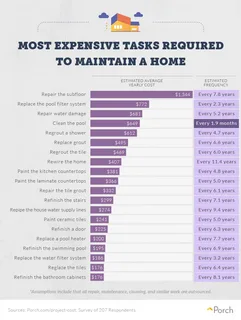
When homeowners postpone maintenance, they rarely calculate the true financial impact. A dripping faucet might seem minor, but at one drop per second, it wastes over 3,000 liters annually—enough to fill fifteen bathtubs. More concerning are the invisible problems. Moisture creeping behind tiles erodes waterproofing membranes, leading to ceiling collapses in the unit below. Pest infestations start with a single entry point near a poorly sealed pipe, then multiply into hundreds of dollars in extermination fees. Monthly home maintenance Singapore directly prevents these cascading failures. Consider the refrigerator: dust buildup on condenser coils forces the appliance to work harder, shortening its life by years. Cleaning those coils takes ten minutes and saves $50 on your annual electricity bill while delaying replacement by three years. The same logic applies to your water heater, washing machine inlet hoses, and door seals. Each component has a predictable failure pattern, and monthly inspections catch the early warning signs before they become emergencies. Homeowners who maintain monthly routines report spending 80% less on urgent repairs compared to reactive neighbors.
Electrical Safety and Fire Prevention
Electrical fires remain a serious concern in aging flats and homes with overloaded circuits. Monthly home maintenance Singapore includes checking for warm power points, frayed cords, and circuit breakers that trip frequently. Look at your distribution board—if any switches feel hot to the touch, call a licensed electrician immediately. Test all residual current circuit breakers (RCCBs) by pressing the test button monthly to ensure they trip properly. This simple action protects your family from electric shocks and prevents house fires. Also examine extension cords for cracks or exposed wires, especially those running under carpets or behind heavy furniture where heat builds up. Many residents forget about their water heater’s safety valve, which should be tested every month to prevent pressure buildup and potential tank rupture. These checks require no special tools, only awareness and consistency. The cost of a professional electrical inspection ranges from $150 to $300, but monthly DIY oversight reduces the frequency of those visits while keeping your family genuinely safe.
Smart Storage and Humidity Control
Condensation forms where warm, moist air meets cold surfaces, creating the perfect environment for mold on shoes, bags, and documents. Monthly home maintenance Singapore must address storage areas because dampness destroys valuable items silently. Install dehumidifiers in wardrobes and replace silica gel packets every few months. Wipe down the inside of closets with a dry cloth, especially along the back wall where airflow is minimal. For books, electronics, and important papers, consider weatherproof containers with tight seals. Many homeowners discover mold on their winter clothing or wedding albums only after significant damage has occurred. Prevention costs virtually nothing: open closet doors periodically, avoid pushing furniture flush against exterior walls, and use moisture-absorbing products near the floor where damp air settles. Additionally, check your bathroom fan’s performance by holding a tissue near the grille—if it doesn’t stick, the fan needs cleaning or replacement. Proper ventilation reduces humidity by 30% in enclosed spaces, dramatically slowing deterioration of both your belongings and building materials.
Balcony and Window Seal Integrity
Water ingress through windows and balcony doors causes some of the most expensive repairs in Singapore homes. Rubber seals harden and crack under UV exposure, allowing rainwater to seep into wall cavities where it rots wooden frames and encourages termite activity. Monthly home maintenance Singapore includes inspecting every window and sliding door seal, looking for gaps, discoloration, or brittleness. Run your finger along the seal—if it feels hard or crumbles, replacement is overdue. Clean the tracks of sliding windows and doors, removing debris that prevents proper closure. Pour water into the balcony floor trap to ensure drainage isn’t blocked by leaves or construction debris. For homes on high floors, wind-driven rain finds even the smallest openings, so pay special attention to corners and joints. A tube of silicone sealant costs under $15 and can reseal multiple windows, but hiring a waterproofing contractor after water damage appears will cost $500 to $2,000. Monthly seal checks represent one of the highest return-on-investment activities you can perform.
Plumbing: The Silent Threat to Your Home
Hidden pipes inside walls and under floors eventually wear out, but early warning signs appear if you know what to look for. Monthly home maintenance Singapore starts with checking water pressure—sudden drops indicate leaks somewhere in the system. Monitor your water bill for unexplained increases because a slow leak behind tiles wastes water continuously without visible puddles. Inspect the flexible hoses connecting taps and toilet cisterns; these braided steel lines corrode from the inside and burst without warning, flooding rooms within minutes. Replace any hose showing rust or bulging, regardless of age. For HDB flats, check the riser door (where main pipes enter) for moisture or mineral deposits indicating seepage from common pipes. Clean all showerheads by soaking them in vinegar to remove mineral buildup, which restricts flow and forces the water heater to work harder. Every homeowner should know the location of their main water shut-off valve and test it monthly to ensure it turns freely—in an emergency, those seconds matter enormously. These plumbing checks take thirty minutes monthly but prevent the nightmare of waking up to a flooded kitchen.
Pest Prevention Through Routine Monitoring
Cockroaches, ants, and termites don’t announce their arrival—they exploit gaps, moisture, and food residue left unattended. Monthly home maintenance Singapore includes a thorough pest audit that focuses on entry points and attractants. Check the seal around your front door; if light passes underneath, insects can enter. Examine kitchen cabinet back corners for droppings or egg casings. Look at the silicon seal around sinks and basins—tiny gaps there allow ants and roaches direct access to water sources. For termites, tap wooden skirting boards and door frames every month. A hollow sound indicates internal damage. Also inspect your garbage chute seal if you live in an HDB flat; worn rubbers allow pests to travel between floors. Beyond chemical treatments, the most effective prevention is eliminating moisture and food. Wipe counters nightly, fix dripping taps immediately, and store dry goods in airtight containers. Professional pest control costs $200 to $400 per treatment, but monthly vigilance catches problems when they involve just a few insects rather than a full infestation.
Maintaining Your Water Heater for Longevity
Instant water heaters and storage tanks both require regular attention to operate safely and efficiently. Monthly home maintenance Singapore should include checking the pressure relief valve on storage heaters—lift the lever briefly to ensure water flows out, confirming the mechanism works. Flush the tank annually, but monthly just listen for rumbling sounds indicating sediment accumulation. For instant heaters, clean the inlet strainer to prevent flow restriction that overheats the heating element. Test the earth leakage circuit breaker by pressing the test button monthly. Hard water in some Singapore areas creates scale deposits that reduce efficiency by 25% within two years. Descale your heater according to manufacturer instructions or hire a professional annually. A neglected water heater fails suddenly, often flooding the area around it. Replacement costs range from $300 to $800 depending on the model, but preventive maintenance extends lifespan to ten years or more. The simple act of testing the relief valve and checking for rust around connections takes five minutes but provides immense safety and financial benefits.
Ceiling and Wall Inspections
Bubbling paint, peeling wallpaper, or discolored patches on ceilings indicate moisture problems from above. Monthly home maintenance Singapore requires looking up as often as looking down. Use a flashlight to examine ceiling corners in every room, especially bathrooms and kitchens. Soft spots or dark rings suggest slow leaks from the unit above or from aircon piping concealed in the ceiling. On walls, check for cracking above door frames and windows—these often signal building settlement or structural movement that needs professional evaluation. Small hairline cracks are normal but wide or growing gaps require attention. Also examine wall tiles in bathrooms; loose or cracked tiles allow water to reach waterproofing membranes, leading to costly repairs. Tap tiles with a coin; a hollow sound means the adhesive has failed, and water is traveling behind the tile. Addressing these issues early prevents mold growth behind walls, which is expensive to remediate and poses health risks. Most homeowners ignore walls and ceilings until stains become obvious, but monthly inspections catch subtle changes before major damage occurs.
Laundry Area and Appliance Care
The service yard faces harsher conditions than any other room—direct sun, driving rain, and constant humidity. Monthly home maintenance Singapore must prioritize this space because appliances here suffer accelerated wear. Clean your dryer’s lint filter after every use, but monthly check the exhaust hose for kinks or bird nests. For washing machines, inspect the inlet hose for bulging cracks and ensure the drain hose empties freely without backflow. Run an empty hot cycle with vinegar monthly to remove soap scum and prevent musty odors. Look at the rubber door seal for dark spots indicating mold growth. On the floor, check that the drainage gully isn’t blocked by lint or debris, which causes flooding during rainstorms. For gas dryers (rare but present in some homes), test for gas smells and ensure ventilation isn’t obstructed. The service yard also houses your water heater’s discharge pipe—ensure it points downward into a floor trap. These monthly checks take fifteen minutes but prevent appliance breakdowns during peak usage times, like rainy weekends when laundry piles up.
Lighting Fixtures and Ceiling Fans
Flickering lights, dimming when other appliances start, or buzzing sounds all indicate electrical issues requiring attention. Monthly home maintenance Singapore includes tightening light bulbs (when cool) because vibrations from ceiling fans or passing traffic loosen them over time. Clean ceiling fan blades thoroughly—dust accumulation unbalances the fan, causing wobbling that stresses motor bearings. After cleaning, run the fan at each speed, listening for grinding or clicking. Remove light fixture covers to inspect for dead insects or moisture, both of which create fire hazards. For track lighting and spotlights, ensure springs and clips hold fixtures securely to the ceiling. Consider replacing older fluorescent tubes with LEDs for energy savings, but regardless of bulb type, check that no fixture feels hot to the touch after extended use. Heat indicates resistance problems often caused by loose wiring or incompatible bulbs. These simple checks take a few minutes per room but dramatically reduce fire risk while improving light quality and fan performance.
The Financial Case for Monthly Home Maintenance
Data from property management firms shows that homes receiving monthly home maintenance Singapore retain 12–15% higher resale value compared to neglected properties. Buyers and tenants pay premiums for well-maintained units because they recognize the hidden costs of deferred maintenance. Every dollar spent on preventive care saves $4 to $10 in future repairs according to building industry studies. More importantly, maintenance spreads costs predictably across months rather than demanding sudden large payments during emergencies. A family spending $50 monthly on minor upkeep might spend $600 annually, but their neighbor skipping maintenance could face a $3,000 aircon replacement, $1,200 plumbing repair, and $800 pest treatment within the same period—nearly ten times the cost. Beyond dollars, consider the inconvenience: emergency repairs happen at inconvenient times, require urgent scheduling, and often involve multiple contractors. Monthly maintenance happens on your schedule, at your pace, with your choice of professionals. This control over your home environment translates directly to lower stress and higher quality of life.
Common Mistakes Homeowners Make
The most frequent error is confusing cleaning with maintenance. Wiping surfaces keeps your home looking good, but maintenance requires inspecting function. Another mistake is focusing only on visible areas while ignoring service yards, ceiling spaces, and behind appliances. Many homeowners wait for strange noises before acting, though noises already indicate damage has begun. Using incorrect tools or lubricants—like WD-40 on locks (it attracts dust) rather than graphite powder—causes more harm than good. Skipping the water heater pressure relief valve test because it seems unnecessary leads to tank explosions in extreme cases. Ignoring small pest signs until the problem escalates multiplies extermination costs. Perhaps the biggest mistake is believing that new homes don’t need maintenance. Construction defects often appear after six months as materials settle, and manufacturers void warranties if annual maintenance records aren’t kept. Learning from these errors means adopting a systematic, documented approach where nothing relies on memory.
Frequently Asked Questions
How long does a full monthly home maintenance routine take in a typical Singapore HDB flat?
A complete monthly home maintenance session for a standard 4-room HDB flat takes approximately 90 to 120 minutes once you become familiar with the routine. The first time you perform these checks might take three hours as you learn what to look for and gather necessary tools. Break the work into manageable segments: 30 minutes for air conditioning filters and drainage, 20 minutes for plumbing checks and water heater testing, 15 minutes for electrical safety inspections, 15 minutes for window and door seals, and the remaining time for pest inspection, ceiling checks, and appliance care. Many homeowners choose to spread these tasks across two weekends or dedicate one Saturday morning to complete everything. The key is consistency rather than speed—rushing leads to missed warning signs. After three months, the routine becomes second nature, and you will complete thorough inspections in under two hours.
What specific tools do I need to perform monthly home maintenance in Singapore?
You do not need expensive equipment to maintain your home effectively. The essential toolkit includes a good quality flashlight for inspecting dark corners and ceiling spaces, a flathead and Phillips screwdriver for tightening loose fixtures, an adjustable wrench for plumbing connections, a soft brush for cleaning aircon filters and exhaust fans, a microfiber cloth for wiping moisture-prone surfaces, white vinegar for descaling showerheads and cleaning washing machines, silicone sealant for refreshing window and door seals, a pair of pliers for testing water heater relief valves, and a small mirror on a stick for seeing behind appliances. Optional but helpful items include a voltage tester for checking electrical outlets, a moisture meter for detecting hidden dampness, and a set of hex keys for tightening furniture and ceiling fan components. All these items cost under $100 total at local hardware shops. Store them together in a small toolbox so you never waste time searching for the right tool during your monthly routine.
How does monthly home maintenance differ between HDB flats, condominiums, and landed properties in Singapore?
HDB flat owners focus heavily on common wall issues, ceiling leaks from upstairs neighbors, and garbage chute hygiene since these affect shared spaces. Condominium residents often have facilities management handling external maintenance like corridor lights and roof checks, but internal systems like aircons, water heaters, and plumbing remain the owner’s responsibility. Landed property owners face additional challenges including roof inspections, gutter cleaning, outdoor drainage, garden irrigation systems, and swimming pool equipment if present. Monthly home maintenance for landed homes requires checking for termite mud tubes around the foundation, clearing leaf litter from downspouts, and testing sump pumps if the property has a basement. Regardless of property type, the core monthly checks for plumbing, electrical, ventilation, and pest prevention remain identical. The difference is scope—landed homes have more ground-contact issues, while high-rise units need more attention to water containment and neighbor impact.
Can I perform monthly home maintenance myself, or should I hire a professional for every check?
The vast majority of monthly maintenance tasks are designed for homeowners to perform themselves. Cleaning aircon filters, checking window seals, testing circuit breakers, inspecting for pests, tightening loose screws, wiping moisture-prone areas, and cleaning dryer lint traps require no special training. However, certain tasks should trigger a call to a licensed professional. If your circuit breaker trips repeatedly, your water heater safety valve fails to release, you find extensive mold covering more than one square meter, you smell gas, or you discover significant water staining on ceilings, stop DIY attempts and hire qualified help. Professional electricians, plumbers, and aircon technicians have equipment and expertise for serious issues. The smart approach is monthly DIY for prevention and early detection, then professional intervention when you find something beyond your comfort level. This balance saves money on unnecessary service calls while keeping your family safe from hazards that require expert handling.
How do I keep records of my monthly home maintenance for warranty claims or resale value?
Create a simple maintenance log—either a physical notebook kept near your fuse box or a digital spreadsheet accessible from your phone. Each month, date the entry and note every inspection performed, any issues found, and actions taken. For repairs, record the contractor name, date, cost, and warranty period. Photograph warning signs before and after repairs for visual documentation. This log serves three critical purposes: manufacturers require proof of regular maintenance to honor appliance warranties, property buyers and tenants pay higher prices for homes with documented care, and you personally benefit from spotting patterns like recurring aircon issues every April suggesting seasonal factors. Many smartphone apps now offer home maintenance templates, but even a simple Google Sheet with checkboxes works perfectly. Update your log immediately after completing monthly tasks while memories remain fresh. A well-maintained log transforms your home from a generic property into a documented asset with proven care history.








Leave a Reply