Walking into a home that smells clean, feels crisp, and looks inviting is one of the most underrated pleasures of daily life. In Singapore, however, achieving that level of home freshness requires more than just a quick sweep and an open window. The tropical climate, with its relentless humidity, sudden rain showers, and year-round warmth, creates a unique set of challenges for every household. Many residents struggle with lingering food odors, musty wardrobes, damp bathroom corners, and that heavy feeling in the air that no amount of air freshener seems to fix. The good news is that true home freshness is entirely achievable with the right strategies. After working with countless homeowners across the island, I have seen how small, consistent changes can transform a stuffy apartment into a sanctuary of clean, breathable air. This article reveals seven powerful home freshness tips Singapore residents can implement starting today. These methods go beyond masking odors; they target the root causes of stale environments, ensuring your living space remains welcoming, healthy, and genuinely fresh every single day.
Understanding Why Singapore Homes Struggle with Freshness
Before diving into solutions, it is essential to understand the environmental factors working against home freshness in Singapore. The island nation experiences an average relative humidity level of over 80 percent for most of the year. This persistent moisture creates the perfect breeding ground for mold spores, dust mites, and bacteria, all of which contribute to unpleasant, musty smells. Additionally, the widespread use of air conditioning, while necessary for comfort, often leads to sealed environments where air recirculates without proper ventilation. Over time, this trapped air accumulates volatile organic compounds from furniture, cleaning products, and cooking activities. Many HDB flats and condominiums also face challenges like limited cross-ventilation due to building designs, shared ventilation shafts, and the proximity of neighboring units. Even the simple act of hanging laundry indoors during the rainy season can introduce excess moisture that settles into fabrics and upholstery. Understanding these obstacles is the first step toward overcoming them. Rather than fighting against the climate, smart homeowners learn to work with it by implementing targeted strategies that address humidity, air circulation, and odor elimination at their sources. The following seven proven methods have helped thousands of families across Singapore achieve lasting home freshness without expensive overhauls or harsh chemicals.
The Role of Humidity in Indoor Air Quality
Humidity is arguably the greatest enemy of home freshness in any tropical climate. When moisture levels inside your home exceed sixty percent, which they frequently do in Singapore, several negative processes accelerate. Wooden furniture can absorb ambient moisture, leading to swelling, cracking, and the development of a distinct stale odor. Upholstered sofas and mattresses become sponges for humidity, trapping sweat, skin cells, and dust mites. Even painted walls can develop microscopic condensation that feeds mold growth behind wardrobes and along ceiling corners. Many residents mistakenly believe that running the air conditioner alone solves the humidity problem, but standard AC units primarily cool the air rather than actively removing sufficient moisture. This is why you might feel cool but still experience that clammy, heavy sensation. The relationship between humidity and freshness is straightforward—lower moisture levels mean fewer biological contaminants and less opportunity for unpleasant smells to develop. By prioritizing humidity control as the foundation of your home freshness strategy, every other effort you make becomes more effective.
Smart Ventilation Practices Without Sacrificing Security
One of the most effective home freshness tips Singapore experts consistently recommend involves rethinking how you ventilate your living spaces. Many residents keep windows and doors tightly shut due to concerns about dust, noise, or security, but this practice directly contributes to stagnant, stale air. The key is to create controlled ventilation cycles that flush out trapped odors while minimizing external pollutants. The best times to open your home for natural cross-ventilation are early mornings between six and eight AM and late evenings after seven PM, when outdoor humidity levels are slightly lower and traffic noise is reduced. Even fifteen minutes of full airflow through opposing windows can completely exchange the air volume in a typical HDB living room. For households worried about insects, installing fine mesh screens allows ventilation without inviting mosquitoes or flies. Another intelligent approach involves using exhaust fans strategically. Your kitchen, bathroom, and laundry areas should have exhaust fans running during and for at least thirty minutes after any activity that generates moisture or smells. In properties where natural ventilation is limited, consider using a portable air circulator rather than a standard fan. Air circulators are designed to move entire room volumes rather than just blowing air on people, which helps break up stagnant pockets of air that collect near ceilings and corners. Remember that ventilation is not about leaving everything open all day but about creating intentional airflow patterns that refresh your indoor environment on a schedule.
Common Ventilation Mistakes That Ruin Freshness
Many well-intentioned homeowners unknowingly sabotage their own home freshness through incorrect ventilation habits. One frequent error is opening windows only on one side of the apartment, which does little to create true cross-flow and simply allows humidity to enter without stale air exiting. Another mistake involves running bathroom exhaust fans with the door closed and no air intake, which creates negative pressure that pulls humid air from other parts of the house instead of expelling it effectively. Some residents also block air vents with furniture, not realizing that modern HDB flats and condos are designed with specific airflow paths. Placing a large wardrobe directly against a vent or covering a return air grille in an air-conditioned room destroys the intended air exchange system. Additionally, many people forget about their dryer vents and range hood filters, allowing these passages to become clogged with lint and grease until they can barely move air at all. The most surprising mistake is over-ventilating during peak afternoon hours when outdoor humidity and temperature are highest. Opening windows at midday often brings in more moisture than it removes, worsening the very problem you are trying to solve. Learning to ventilate intelligently rather than constantly makes a dramatic difference in achieving consistent home freshness.
Natural Dehumidifying Solutions for Every Room
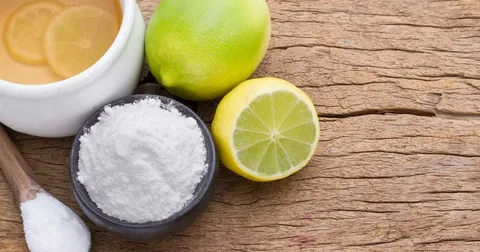
While electric dehumidifiers are effective machines, you can achieve remarkable home freshness using natural dehumidifying methods that cost almost nothing. These approaches have been used by Singaporean households for generations, and modern science confirms their effectiveness. The most powerful natural dehumidifier is common salt, specifically coarse rock salt or sea salt. When placed in open containers, salt naturally attracts and absorbs excess moisture from the surrounding air. Fill small ceramic bowls or glass jars with salt and position them in problem areas like wardrobe corners, under sinks, and behind entertainment units. Replace the salt every two to three weeks or when it becomes visibly damp and clumped together. Another exceptional natural solution is bamboo charcoal. Bamboo charcoal bags are reusable, chemical-free, and last for up to two years when rejuvenated monthly in direct sunlight. These bags excel at both absorbing moisture and trapping odors simultaneously, making them perfect for shoe cabinets, refrigerators, and car interiors. For a more aromatic approach, baking soda mixed with a few drops of tea tree or lavender essential oil creates a dual-action freshness agent. The baking soda absorbs humidity and neutralizes acidic odor molecules while the essential oil adds a clean, subtle fragrance without synthetic chemicals. Place these mixtures in shallow dishes on high shelves where they remain undisturbed. You can also use houseplants strategically; certain species like peace lilies, Boston ferns, and snake plants absorb ambient moisture through their leaves and roots while releasing fresh oxygen. Position three to four medium-sized plants throughout your home to create a natural humidity regulation system that improves both freshness and air quality.
Where to Position Dehumidifying Agents for Maximum Effect
The effectiveness of any dehumidifying solution depends heavily on placement. High-moisture zones require more aggressive treatment, while low-traffic areas need smaller interventions. In the bedroom, place charcoal bags or salt containers inside your wardrobe, especially near the back wall where condensation commonly forms. Also position one behind your bedside table, as human respiration during sleep releases significant moisture into the immediate surrounding air. The bathroom demands the most attention; keep an open baking soda container on the counter and a bamboo charcoal bag hanging from the shower caddy. The kitchen requires protection around the refrigerator, where warm compressor coils meet cooler ambient air, creating condensation. Place a salt bowl on top of your fridge and another inside the vegetable crisper drawer. Living rooms benefit from dehumidifying agents positioned behind televisions and entertainment centers, as electronic heat combined with poor airflow creates localized humidity pockets. For homes with indoor shoe cabinets, which are standard in Singapore to prevent outdoor dirt from entering, place one charcoal bag per shelf. Shoes carry both moisture from sweat and outdoor humidity, creating concentrated odor sources. Remember to elevate all dehumidifying containers slightly off floor surfaces using small coasters or stands, as floors themselves can be moisture sources, especially in ground-floor units or older buildings. Proper placement turns passive dehumidifiers into active freshness tools that work continuously without any energy consumption.
Deep Cleaning Protocols That Eliminate Odors at Their Source
Superficial cleaning routines often fail to achieve true home freshness because they spread dirt around rather than removing the microscopic particles causing bad smells. A genuinely effective deep cleaning protocol targets the reservoirs where odor-causing bacteria and mold colonies establish themselves. Start with your soft furnishings, which are the biggest hidden sources of stale smells. Upholstered sofas, mattresses, and cushions should be vacuumed weekly using a machine with a HEPA filter, paying special attention to seams, crevices, and under-cushion areas where skin cells and dust accumulate. Every three months, sprinkle baking soda liberally over your mattresses and sofas, let it sit for several hours, then vacuum thoroughly to pull embedded odors from deep within the fibers. Your curtains and drapes require similar attention; despite being fabric, they are often forgotten during regular cleaning cycles. Machine-washable curtains should be cleaned every two months using a cup of white vinegar in the rinse cycle to neutralize trapped cooking and smoke odors. For dry-clean-only window treatments, a thorough vacuuming with an upholstery attachment followed by a fabric refresher spray made from water, vodka, and essential oils keeps them fresh between professional cleanings. Another critical but overlooked area is your garbage disposal area. Even with a covered bin, microscopic organic particles adhere to the bin walls and lid seals. Once a week, scrub your kitchen bin with hot water, dish soap, and a tablespoon of bleach, then dry completely before replacing the liner. For the bin itself, place a charcoal filter disc inside the lid if your bin model accommodates one. These deep cleaning practices address the root causes of unpleasant smells rather than simply covering them up with artificial fragrances.
The Hidden Spots That Destroy Home Freshness
Even meticulous cleaners often miss the specific locations where odor molecules concentrate and multiply. Light switches and door handles, for example, accumulate oils and bacteria from countless daily touches, yet they are rarely disinfected. A quick wipe with an alcohol-based cleaner every few days prevents these small surfaces from becoming odor reservoirs. Another surprising offender is your washing machine. Front-loading machines in particular develop biofilm inside the rubber door seal and detergent drawer, leading to a musty smell that transfers directly onto freshly washed laundry. Run an empty hot cycle with two cups of white vinegar once monthly, and leave the door open between washes to allow internal drying. Refrigerator drip pans represent another forgotten zone. Every fridge has a small pan underneath that catches condensation and defrost water; this pan can grow mold and produce foul smells that circulate throughout your kitchen. Check this pan every six months, clean it with bleach solution, and ensure the drain tube is unobstructed. Ceiling light fixtures and ceiling fan blades accumulate dust and grease over time; when fans spin, they redistribute these particles throughout the room. You should wipe fan blades monthly and deep clean light fixtures quarterly. Even the small gap between your stove and countertop collects food debris and moisture, creating a concentrated smell source. Use an old toothbrush and degreaser to clean this gap every few weeks. Paying attention to these hidden spots transforms your cleaning routine from surface-level tidying into true odor elimination, dramatically improving overall home freshness.
Managing Laundry and Linens for Continuous Freshness
How you handle laundry and linens directly impacts the freshness of your entire home. In Singapore’s humid climate, improperly dried fabrics become breeding grounds for mold and bacteria within hours, releasing persistent musty smells into your living spaces. The single most effective home freshness tip regarding laundry is to never leave wet clothes sitting in the machine. The moment your washing cycle completes, remove the laundry immediately. Even a thirty-minute delay allows microorganisms to begin colonizing damp fabric fibers. For households without a dryer, which is common in many HDB flats, invest in a quality dehumidifier specifically for your laundry area. Position the dehumidifier near your drying rack and run it during the entire drying process. This reduces drying time from two days to less than eight hours while preventing that sour smell that plagues air-dried laundry during rainy seasons. When drying indoors, maintain at least fifteen centimeters of space between garments on the rack to allow air circulation around each item. Overcrowding traps moisture and ensures uneven drying. Your bed linens deserve special attention because you spend eight hours nightly in close contact with them, transferring sweat and skin oils. Wash sheets and pillowcases weekly in hot water, ideally above sixty degrees Celsius, to kill dust mites and remove body oils. Add half a cup of white vinegar to the rinse cycle as a natural fabric softener that also neutralizes alkaline soap residues and balances pH levels. For towels, which harbor moisture and bacteria more than any other household textile, launder every three to four uses and avoid using liquid fabric softeners. Softeners coat towel fibers with waterproof wax, reducing absorbency and trapping bacteria inside the fibers. Instead, add baking soda to the wash cycle and vinegar to rinse for fluffy, fresh-smelling towels that actually dry your skin properly. Implement a system where linens are stored completely dry; even slight residual moisture in a folded towel or sheet will cause mildew growth inside your cupboard over time.
The Truth About Scented Products and Home Freshness
Many Singapore households rely heavily on scented candles, plug-in air fresheners, and artificial room sprays to achieve what they perceive as home freshness. However, these products generally mask odors rather than eliminating them, and some actually contribute to poorer indoor air quality. Most commercial air fresheners contain phthalates, benzene derivatives, and formaldehyde releasers, which are volatile organic compounds that can trigger respiratory irritation and headaches. When you spray an artificial fragrance, you are adding more chemical molecules to already stale air, not removing the original unpleasant ones. A truly fresh home should have little to no detectable fragrance at all; the absence of bad smells, not the presence of strong good smells, defines genuine freshness. If you enjoy subtle scents, choose natural alternatives with proven air-purifying properties. Simmering a pot of water with citrus peels, cinnamon sticks, and star anise releases gentle aroma compounds that do not harm indoor air quality. Essential oil diffusers using pure therapeutic-grade oils provide fragrance without synthetic carriers, though even these should be used sparingly in small spaces. The most effective approach combines odor elimination with occasional natural scenting. First, remove the source of bad smells through cleaning, dehumidifying, and ventilating. Then, if you desire a specific atmosphere, introduce natural scents briefly rather than continuously. A home that smells genuinely fresh does not announce itself with overwhelming fragrance; it simply feels clean, crisp, and neutral when you walk through the door. Remember that your nose quickly adapts to consistent smells, so the strongest artificial fragrance becomes unnoticeable after twenty minutes while still exposing you to chemicals. Natural freshness strategies protect both your olfactory comfort and your respiratory health.
Creating a Weekly Freshness Maintenance Schedule
Achieving lasting home freshness is not about occasional intense cleaning sessions but about consistent, small actions performed on a reliable schedule. A weekly freshness maintenance routine prevents problems from developing rather than forcing you to react after odors have already established themselves. Begin each Monday with ventilation and humidity management. Open all windows and doors for thirty minutes in the early morning while checking your dehumidifier water tanks and emptying them. Inspect your bamboo charcoal and salt containers, replacing or refreshing any that appear saturated. Tuesday focuses on fabric freshness. Vacuum all soft furnishings including sofas, mattresses, and cushions using the upholstery attachment. Spray mattresses with a light mist of water mixed with a few drops of tea tree oil, then allow to air dry before making the bed. Wednesday addresses kitchens and bathrooms. Deep clean your garbage disposal area, wipe down all surfaces with vinegar solution, and scrub washing machine seals and detergent drawers. Run an empty hot wash cycle with cleaning tablets or vinegar. Thursday is for hidden spots. Disinfect light switches, door handles, and remote controls. Clean ceiling fan blades and light fixture covers. Vacuum under and behind large furniture pieces where dust accumulates unseen. Friday focuses on linens. Strip all beds and wash sheets, pillowcases, and mattress protectors in hot water. Wash towels and bath mats separately with baking soda. Dry everything completely before returning to beds and racks. Saturday handles floors and surfaces. Vacuum or mop all floor areas, paying attention to corners and baseboards where mold spores collect. Wipe down all hard surfaces with a microfiber cloth and diluted white vinegar. Sunday is for assessment and adjustment. Walk through each room and notice any emerging odors or damp spots. Move furniture slightly to check wall conditions behind them. Adjust your charcoal bag positions based on which areas feel most humid. This seven-day rhythm integrates freshness practices into your lifestyle without requiring hours of dedicated work each day. Consistency transforms these actions from chores into habits, and habits create homes that stay fresh automatically rather than requiring constant crisis intervention.
Seasonal Adjustments for Singapore’s Weather Patterns
While Singapore lacks traditional seasons, the year does bring distinct weather patterns that affect home freshness differently. The Northeast Monsoon season from December to March brings heavy rainfall and maximum humidity levels, often exceeding ninety percent. During these months, prioritize dehumidification above all other strategies. Run electric dehumidifiers continuously in problem areas, check salt containers weekly instead of biweekly, and avoid opening windows during rainstorms even if the air feels stuffy. The Southwest Monsoon from June to September brings slightly drier conditions but increased haze risk from regional forest fires. During haze periods, seal your home completely, run air purifiers, and rely entirely on mechanical ventilation through air conditioning with proper filter maintenance. The inter-monsoon periods of April to May and October to November bring unpredictable weather with sudden thunderstorms followed by intense sunshine. These fluctuations stress building materials and create condensation cycles as temperatures change rapidly. During inter-monsoon months, pay extra attention to areas where different materials meet, such as tile-to-wood transitions and window frame seals. These junctions experience temperature differentials that generate sweat-like condensation. Wipe these areas daily during high-risk periods. Another seasonal consideration is the Chinese New Year spring cleaning tradition, which, while culturally important, often involves harsh chemical cleaners that can leave residues. After major cleaning events, ventilate your home thoroughly for several hours before reintroducing fabrics and furnishings. The festive season also brings more cooking and more guests, both of which temporarily increase humidity and odors. Run exhaust fans longer than usual after holiday gatherings and consider temporary charcoal bags placed near dining areas. Adapting your freshness strategies to these seasonal patterns makes your efforts much more effective than applying the same routine all year.
Frequently Asked Questions About Home Freshness in Singapore
How often should I replace the bamboo charcoal bags used for home freshness?
High-quality bamboo charcoal bags typically remain effective for approximately two years when properly maintained. To reactivate the charcoal and release trapped moisture and odors, place the bags in direct sunlight for four to six hours every month. Sunlight exposure opens the microscopic pores in the bamboo charcoal, releasing accumulated substances and restoring absorption capacity. If you live in a shaded apartment without direct sun access, you can also reactivate bags by placing them in a warm oven at one hundred twenty degrees Celsius for thirty minutes, though this should be done with caution and only for charcoal specifically labeled as oven-safe. You will know it is time to replace your charcoal bags when, after thorough reactivation, they no longer feel lightweight and dry. The bags should feel noticeably lighter after sunning; if they remain heavy and dense, the pores have reached maximum saturation permanently. Another sign for replacement is the development of a sour or musty smell from the bag itself, indicating that organic material has become trapped within the charcoal structure beyond what reactivation can remove. For households with severe humidity issues or multiple pets, you may need replacement annually rather than biennially. Keep a simple calendar reminder to assess your charcoal bags every six months to ensure they continue contributing positively to your home freshness strategy.
Can houseplants really improve indoor air freshness, and which ones work best in Singapore?
Houseplants absolutely contribute to home freshness through several biological mechanisms. First, plants absorb carbon dioxide and release oxygen through photosynthesis, which directly improves air composition. Second, many species absorb volatile organic compounds through their leaves and roots, effectively scrubbing common indoor pollutants from the air. Third, plants release water vapor through transpiration, but importantly, they also absorb moisture from the air through their root systems, helping to regulate humidity rather than simply adding to it. For Singapore homes, the most effective freshness plants include the snake plant, which releases oxygen at night and absorbs benzene and formaldehyde. The peace lily excels at removing mold spores from the air, making it perfect for bathroom placement. The Boston fern is exceptionally efficient at restoring moisture balance, absorbing excess humidity during rainy periods and releasing stored moisture during drier air-conditioned hours. The areca palm functions as a natural humidifier that also removes xylene and toluene from the air. For successful plant integration, place two to three medium plants per room, avoid overwatering which causes soil mold, and wipe leaves monthly to remove dust that blocks absorption pores. One common mistake is adding too many plants, which can actually increase humidity and create musty smells from wet soil. A balanced approach of six to eight total plants throughout a standard HDB flat provides freshness benefits without causing secondary moisture problems. Remember that plants work alongside other strategies, not as replacements for dehumidifiers and ventilation.
Why does my home still smell musty even after I clean everything thoroughly?
Persistent musty smells despite thorough cleaning usually indicate hidden mold growth in places you cannot see. The most common hidden locations include inside air conditioner units, within wall cavities, under vinyl flooring, behind built-in wardrobes, and inside ceiling voids. Air conditioning systems are frequent culprits because condensation forms continuously on cooling coils and drips into drain pans. Over time, mold colonies establish themselves inside the blower wheel, evaporator fins, and ductwork. The musty smell then gets blown throughout your home whenever the AC runs. Schedule professional AC servicing every three months for chemical cleaning of internal components. Another hidden source is the space between your washing machine and wall, where leaked water creates a persistently damp environment. Pull out your machine and inspect the floor and wall behind it for black or green discoloration. The rubber seal on your refrigerator door can also develop mold if moisture gets trapped under the seal edges. Run a cotton swab along the entire seal fold to check for dark residue. Even your water heater drip pan, located underneath the tank, can collect standing water that evaporates slowly and spreads mildew smell throughout adjacent rooms. If you have investigated all these areas and still detect mustiness, consider hiring a professional with moisture detection equipment. They can locate damp spots within walls that are invisible from the surface. Sometimes the source is external, such as a neighboring unit with mold issues sharing your ventilation shaft or a leaking pipe within a common wall. Persistent odors always have a source; systematic investigation always reveals it.
What is the fastest way to remove cooking odors after preparing strong-smelling food?
Cooking odors, especially from frying, curry, or fish, can linger in Singapore homes for days without proper intervention. The fastest elimination method combines immediate source control with active air treatment. First, while cooking, keep your range hood running on maximum power and open a window on the opposite side of your kitchen to create cross-ventilation that pulls odors directly out. Second, immediately after cooking, place a small bowl of white vinegar on the counter near the stove. Vinegar molecules attract and neutralize alkaline odor compounds from cooking. Leave the bowl for one hour before discarding. Third, simmer a pot containing two cups of water, three tablespoons of baking soda, and several lemon peels on low heat for twenty minutes. The steam carries baking soda and citrus compounds throughout the kitchen, neutralizing odors rather than masking them. Fourth, wipe down all kitchen surfaces, including walls and cabinet fronts, with a solution of water and white vinegar. Cooking oils atomize during frying and deposit on every surface; these oil films trap and release odors for days. Fifth, run your exhaust fan for an additional hour after cooking finishes. For extremely stubborn odors like durian or dried fish, place bowls of ground coffee beans around the kitchen. Coffee is exceptionally effective at absorbing strong organic odors, though it will impart its own scent temporarily. Within two hours of implementing these steps, your kitchen should return to neutrality. The key difference between this approach and simply spraying air freshener is that you are removing the odor molecules themselves rather than coating them with fragrance chemicals that wear off quickly.
Is it necessary to use an electric dehumidifier, or can natural methods work alone?
Whether you need an electric dehumidifier depends on your specific living situation. For HDB flats above the tenth floor with good cross-ventilation and no visible condensation on windows, natural methods using salt, charcoal, baking soda, and houseplants can maintain adequate home freshness. These passive approaches work well for preventing minor humidity issues and controlling day-to-day moisture fluctuations. However, for ground-floor units, basement apartments, rooms with no exterior windows, or homes where you regularly see water droplets on glass surfaces, an electric dehumidifier becomes necessary. Visible condensation indicates that ambient humidity exceeds seventy percent, which is the threshold where mold growth accelerates dramatically. Natural methods cannot remove moisture quickly enough to prevent biological growth at these levels. Electric dehumidifiers actively pull water from the air, with quality units removing ten to twenty liters daily. For most Singapore families, the optimal approach is hybrid: use an electric dehumidifier in the most problematic zones like laundry areas and bathrooms, while relying on natural methods in living spaces and bedrooms. Run the electric unit only when needed rather than continuously to manage electricity costs. Set your dehumidifier to maintain fifty to fifty-five percent relative humidity, which is comfortable for humans and inhospitable for mold. If you choose to rely solely on natural methods, monitor your home carefully. Purchase several inexpensive hygrometers from online retailers and place them in different rooms. If any room consistently reads above sixty-five percent humidity for more than a week, you need additional intervention. Your health and property protection justify the investment in an electric dehumidifier if your home naturally runs damp. The cost of replacing mold-damaged furniture or treating respiratory issues far exceeds the price of a quality appliance.
How do I keep my shoe cabinet fresh when shoes inevitably carry outdoor moisture and smells?
Shoe cabinets in Singapore face a perfect storm of freshness challenges. Outdoor shoes pick up moisture from rain-soaked pavements, sweat from feet, and organic matter from walking surfaces. When placed in an enclosed cabinet, these contaminants concentrate and multiply. The first solution is to never store wet shoes. If you come home with damp footwear, leave them on a boot tray outside the cabinet until completely dry. Using a shoe dryer or placing them near your dehumidifier accelerates this process. For daily freshness maintenance, place one bamboo charcoal bag on each shelf of your cabinet. The charcoal absorbs both moisture and odor simultaneously. Additionally, line each shoe shelf with cedar wood planks or cedar chips in fabric sachets. Cedar naturally absorbs moisture, repels moths and insects, and releases a pleasant, non-synthetic wood scent that complements freshness rather than masking problems. Every two weeks, remove all shoes and wipe down the cabinet interior with a solution of water, white vinegar, and tea tree oil. Tea tree oil is a powerful natural antifungal that kills the microorganisms causing foot odors. For severe odor issues, place an open container of baking soda in the cabinet overnight once weekly. Another intelligent practice is to rotate which shoes are in the cabinet. Keep only your most frequently worn pairs accessible; store seasonal or occasional shoes in breathable fabric bags elsewhere. Finally, consider the cabinet material itself. Solid wood cabinets breathe better than particle board or metal, allowing some air exchange. If your current cabinet is non-breathable, drill small ventilation holes in the back panel or install a small battery-powered fan that runs intermittently to circulate air. Many modern shoe cabinets now come with built-in ventilation systems or UV sanitizing lights, which are worth the investment for households with multiple active members.







Leave a Reply