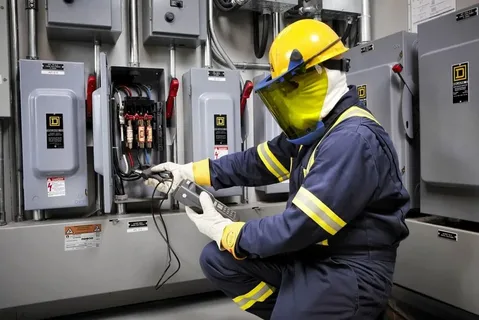
Electricity powers every corner of modern Singapore, from the bustling high-rise flats in Ang Mo Kio to the advanced manufacturing facilities in Jurong. Yet, the same force that lights up the Lion City also carries hidden dangers that many residents overlook until an emergency strikes. Electrical safety Singapore is not merely a regulatory requirement; it is a daily practice that separates a secure home from a potential disaster. With the city-state’s high population density and near-universal reliance on air conditioning, cooling systems, and smart devices, the electrical load in a typical household has tripled over the last decade. This increased demand places enormous stress on wiring systems, circuit breakers, and power sockets. When safety protocols are ignored, the consequences range from minor appliance damage to deadly electrocution or fires that can engulf an entire floor of an HDB block. Understanding why electrical safety matters is the first step toward protecting what matters most.
Singapore’s commitment to electrical safety is deeply rooted in its building codes and enforcement practices. Unlike many other nations where regulations are often reactive, Singapore follows a proactive model under the Energy Market Authority (EMA) and the Singapore Civil Defence Force (SCDF). This means that safety measures are designed before a problem arises, not after a tragedy occurs. For homeowners, this translates into strict requirements for licensed electricians, mandatory inspections for certain installations, and clear penalties for non-compliance. For business owners, especially those in food retail, healthcare, and logistics, maintaining electrical safety is directly tied to operational licenses and insurance coverage. A single electrical fault can lead to hours of downtime, lost revenue, and legal liability if someone is harmed. Therefore, treating electrical safety as a routine investment rather than an optional expense is the smartest financial decision any property owner can make.
The Hidden Costs of Neglecting Electrical Safety in Singapore
Many people assume that electrical hazards are obvious, such as sparking outlets or visibly frayed wires. However, the majority of dangerous conditions develop silently over months or even years. For example, loose connections inside a wall socket generate heat that gradually melts insulation, eventually causing a short circuit when you least expect it. Another silent threat is overloading a single power strip with multiple high-wattage appliances like a microwave, kettle, and toaster. In Singapore’s compact kitchens where counter space is limited, this practice is alarmingly common. The cumulative effect is that the wiring overheats, trips the circuit breaker repeatedly, and if the breaker is faulty, starts an electrical fire behind the walls. By the time smoke appears, the fire may have already spread to wooden studs or insulation materials, making it much harder to control.
Beyond fire risks, electrocution remains a serious concern, particularly for young children and the elderly. Toddlers are naturally curious and may insert metal objects like keys or paper clips into power sockets. Without child-proof safety shutters, a single moment of inattention can lead to a life-altering injury. Similarly, elderly residents may have reduced sensitivity to touch or slower reaction times, increasing their vulnerability when handling faulty appliances. In Singapore’s humid tropical climate, moisture accelerates the corrosion of electrical contacts, making outdoor sockets, bathroom heaters, and kitchen appliances even more hazardous. Condensation can form inside switch boxes, creating a path for current to travel where it should not. These hidden risks underscore why electrical safety Singapore must be a continuous priority, not a one-time check.
Legal Framework: What Every Homeowner and Business Must Know
Singapore’s electrical safety regulations are among the strictest in Asia, and for good reason. The Electrical Professionals Act and the Electricity (Electrical Installations) Regulations lay out clear requirements for any electrical work performed on the island. One of the most important rules is that all electrical installation work must be carried out by a licensed electrical worker (LEW) registered with the EMA. This includes everything from installing a new lighting point to rewiring an entire factory. Homeowners who attempt DIY electrical repairs not only risk injury but also void their home insurance policies. If an unlicensed person performs electrical work and a subsequent fire occurs, the insurance company can refuse to pay any claims, leaving the homeowner to bear the full cost of repairs and legal liability.
Additionally, periodic inspection and testing are mandatory for certain types of installations. For example, electrical installations in commercial and industrial premises must undergo regular testing by a licensed electrical engineer. While residential properties are not subject to the same mandatory inspection schedule, the EMA strongly recommends that homeowners arrange for a thorough check every five years, especially for older properties. HDB flats built in the 1980s and 1990s often still contain original wiring that is not rated for modern appliance loads. Upgrading the consumer unit (distribution board) to include Residual Current Circuit Breakers (RCCBs) and Miniature Circuit Breakers (MCBs) is one of the most effective upgrades for enhancing electrical safety Singapore residents can invest in. These devices detect imbalances in current and cut power within milliseconds, preventing fatal shocks.
7 Essential Pillars of Electrical Safety for Singapore Homes
1. Proper Circuit Protection Devices
The first line of defense against electrical hazards is the distribution board, commonly called the fuse box or breaker panel. Every home should be equipped with a combination of MCBs, which protect against overcurrent and short circuits, and RCCBs, which protect against earth leakage and electrocution. An RCCB monitors the current flowing through the live and neutral wires; if it detects a difference as small as 30 milliamps, it trips instantly. This is the device that saves lives when someone accidentally touches a live wire or when an appliance develops an internal fault. Many older Singapore homes still use only fuse wire or outdated breakers without RCCB protection. Upgrading to a modern consumer unit with Type A or Type B RCCBs is one of the most impactful safety improvements any homeowner can make. It is also important to test the RCCB every three months by pressing the “Test” button on the unit. If it does not trip immediately, call a licensed electrician to replace it.
2. Regular Thermographic Scanning for Hidden Hotspots
A cutting-edge practice that is gaining traction among facility managers and proactive homeowners is thermographic scanning. This involves using an infrared camera to inspect electrical panels, sockets, switches, and connection points for abnormal heat patterns. Loose connections, corroded terminals, and overloaded circuits all generate excess heat long before they cause visible damage or tripping breakers. In Singapore’s warm climate, where ambient temperatures are already high, thermal imaging can identify issues that would otherwise go unnoticed for years. For landed properties and commercial spaces, an annual thermographic survey conducted by a licensed electrical contractor can reveal specific points of failure. For example, a three-degree Celsius temperature difference between two similar breakers might indicate a loose screw that is arcing internally. Fixing that tiny issue can prevent a major fire. While this service costs a few hundred dollars, it pales in comparison to the cost of fire restoration or medical bills.
3. Safe Use of Extension Cords and Multi-Plugs
One of the most common violations of electrical safety Singapore experts observe daily is the misuse of extension cords. Many households and small offices rely on a single power strip to run a refrigerator, television, router, phone charger, and desk lamp simultaneously. This practice is dangerous because most power strips are rated for a maximum of 2,500 watts in Singapore (based on 230V at 13A). Exceeding that rating causes the cord to overheat, melting the insulation and potentially igniting nearby curtains or paper. A safer approach is to use a power strip with built-in overload protection and to avoid “daisy-chaining” multiple strips together. Never run extension cords under carpets, rugs, or furniture, as this traps heat and prevents you from seeing damage to the cord. For high-power appliances like air conditioners, water heaters, and washing machines, always plug them directly into a wall socket. If you find yourself needing more sockets permanently, hire an LEW to install additional outlets rather than relying on temporary solutions.
4. Childproofing Electrical Points Effectively
Families with young children must take extra precautions to prevent exploratory accidents. Singapore’s HDB flats typically have standard 13-amp square-pin sockets that are vulnerable to curious little fingers. The most reliable solution is installing socket shutters that are built into the socket itself. These shutters only open when both prongs of a plug are inserted simultaneously, which is a mechanism a child’s single inserted object cannot defeat. Avoid cheap plastic plug covers, which can be removed by determined toddlers and even become choking hazards. Another smart practice is using socket boxes with safety switches that allow you to cut power to specific outlets from a central point. For example, you can turn off all sockets in a child’s bedroom at night or when the room is unattended. Educating children about electrical safety is also essential: teach them never to pull a plug by the cord, never to touch a socket with wet hands, and to inform an adult immediately if they see sparks or smell burning rubber.
5. Water and Electricity Separation in Bathrooms and Kitchens
Singapore’s high humidity and frequent rain create conditions where water and electricity dangerously intersect. Bathrooms are particularly risky because people use water heaters, hair dryers, and shavers while standing on wet floors or touching metal taps. To reduce this risk, all bathroom sockets must be installed at least 0.6 meters away from the shower area, and ideally with a weatherproof cover. Instant water heaters should be permanently wired into a dedicated circuit with an isolator switch located outside the bathroom door. Never use extension cords into a bathroom, and avoid keeping any powered appliance on the edge of a sink or bathtub. In kitchens, the same principle applies: sockets for refrigerators and ovens should be positioned above countertops, not behind them where leaking water can drip inside. If a power socket or appliance ever falls into water, do not reach in to retrieve it. Instead, turn off the main breaker immediately and then unplug the device once the power is off.
6. Recognizing Warning Signs of Electrical Problems
Many electrical disasters can be prevented simply by paying attention to warning signs. Flickering lights when an air conditioner or washing machine starts up indicate a voltage drop caused by undersized wiring or loose connections. A persistent burning smell, especially one resembling fish or plastic, is a sign that insulation is overheating and melting. Sockets that feel warm to the touch, even when nothing is plugged in, suggest a hidden fault inside the wiring. Similarly, buzzing or crackling sounds from a switch or outlet indicate arcing, which generates extremely high temperatures and can ignite surrounding materials. If you notice any of these signs, stop using that circuit immediately and contact a licensed electrician. Do not simply reset a breaker that has tripped multiple times without investigating the root cause. Each time a breaker trips, it is telling you that something is wrong upstream or downstream.
7. Hiring Only Licensed Electrical Workers
Perhaps the most critical rule of electrical safety Singapore homeowners often violate is hiring unlicensed workers to save money. Many people turn to handymen or friends who claim to have electrical knowledge, but this is a gamble with serious consequences. A licensed electrical worker (LEW) has passed rigorous exams, completed practical training, and carries insurance for the work they perform. They also know the current code requirements, such as the minimum bend radius for cables, the correct torque for terminal screws, and the proper rating for circuit breakers based on cable size. When you hire an LEW, you receive a safety certificate upon completion of major work, which is essential for insurance claims and future property sales. Unlicensed work may be cheaper initially but can lead to hidden defects that cause fires years later. Always verify the electrician’s license number on the EMA’s public register before allowing any work to begin. Ask for a detailed invoice and keep records of all electrical work performed on your property.
Common Electrical Safety Mistakes in Singapore Households
Despite widespread awareness campaigns, certain dangerous practices persist across many homes. One frequent error is using appliances with damaged power cords, simply wrapping tape around the frayed area. Tape does not restore the integrity of the insulation and can hide the progression of internal wire damage. Another mistake is over-reliance on the circuit breaker as a switch. Breakers are designed for protection, not for daily switching on and off, and repeatedly flipping them can weaken the internal mechanism. In HDB flats, some residents illegally tamper with the main breaker or bypass the meter, which is not only extremely dangerous but also a criminal offense. Another subtle mistake is storing flammable materials like newspapers, cardboard boxes, or cleaning chemicals near the distribution board. If the board were to arc or spark, those materials would ignite instantly. Keep the area around your electrical panel clear and accessible at all times.
Many people also forget about appliance lifespan. Water heaters, ceiling fans, and portable air conditioners have expected service lives of 8 to 12 years. After that, internal components dry out, capacitors fail, and insulation becomes brittle. Continuing to use an ancient appliance is gambling with safety. Similarly, power strips that have been in use for a decade may have loose internal connections or cracked casings. Replace them as part of your regular home maintenance routine. Finally, a surprising number of homeowners do not know the location of their main emergency switch or how to turn off power to the entire home in a crisis. Every adult and teenager in the household should practice this procedure. In an electrical fire, the first step is always to cut the power before attempting to use a fire extinguisher.
Frequently Asked Questions About Electrical Safety in Singapore
What is the legal requirement for electrical inspections in a private residential property?
Currently, Singapore law does not mandate periodic electrical inspections for private residential properties such as condominiums or landed houses. However, the EMA strongly recommends that homeowners arrange for a thorough inspection by a licensed electrical worker every five years, especially for properties older than 20 years. For rental properties, landlords are advised to include an electrical safety check as part of their due diligence to protect tenants and avoid liability claims. For commercial and industrial premises, periodic inspections are legally required and must be conducted by a licensed electrical engineer at intervals specified under the Electricity (Electrical Installations) Regulations. Even though residential inspections are voluntary, ignoring them can lead to uninsurable risks and potential legal consequences if negligence is proven after an accident.
How can I find a verified licensed electrical worker in Singapore?
You can verify the credentials of any electrician by accessing the Energy Market Authority’s online public register of licensed electrical workers. This register contains the worker’s full name, license number, license class, and validity period. There are different classes of licenses, with higher classes permitting work on more complex installations like three-phase power systems and heavy industrial machinery. For standard residential work such as adding lighting points, replacing a distribution board, or installing new sockets, a Class 2 or higher license is sufficient. Always ask the electrician to show you their physical license card before any work commences, and cross-check the details on the EMA website. Be wary of anyone who claims to be “under supervision” of a licensed worker but does not produce a valid card. Unlicensed electrical work is illegal and voids your home insurance.
What should I do immediately if I smell burning plastic from a socket?
First, do not touch the socket or any appliance connected to it, as it may be dangerously hot or live. Go to your distribution board immediately and flip the main switch or the specific breaker controlling that circuit to the “Off” position. If you cannot identify the exact circuit, turn off the main breaker to cut all power to the home. Once power is off, open windows to ventilate the area but do not use water on any electrical component. Call a licensed electrician urgently to inspect the socket and wiring, and do not restore power until the electrician has identified and corrected the fault. If you see flames, even small ones, evacuate everyone from the unit and call the Singapore Civil Defence Force at 995. Do not attempt to extinguish an electrical fire with water; use a dry powder or carbon dioxide fire extinguisher if available and you are trained. Never re-energize a circuit that has shown signs of overheating until it has been professionally evaluated.
Are USB charging sockets safe to install in my home?
USB charging sockets that are properly certified and installed by a licensed electrician are generally safe and convenient for modern households. However, you must ensure that the socket carries the SAFETY Mark approved by Enterprise Singapore, which indicates compliance with relevant safety standards. Low-quality, uncertified USB sockets purchased from online marketplaces may lack proper voltage regulation, short-circuit protection, or adequate insulation. These defective units can overheat during charging or even catch fire. When installed correctly, quality USB sockets reduce the need for bulky adapters and minimize clutter, which is beneficial for electrical safety. Avoid overloading a USB socket by using a splitter to charge multiple devices beyond its rated output, and never install USB sockets in damp locations like bathrooms unless they are specifically rated for wet environments (IP44 or higher).
How often should circuit breakers and RCCBs be replaced?
Circuit breakers and RCCBs have an operational lifespan of approximately 25 to 30 years under normal conditions, but this can be shortened by frequent tripping, power surges, or high ambient temperatures. In Singapore’s tropical climate, components can degrade faster due to humidity and heat inside distribution boards. A practical rule is to consider replacing the entire consumer unit if your home’s electrical system is over 20 years old or if you experience nuisance tripping without an obvious cause. Additionally, every RCCB should be tested quarterly using the built-in test button. If the RCCB fails to trip during the test, it must be replaced immediately. If you notice discoloration, rust, or burn marks on the front panel of any breaker, that is a sign of internal failure. Always hire a licensed electrical worker to perform replacements, as improper installation can create dangerous arcing and fire risks.
Can I install my own light fixtures or ceiling fans to save money?
Under Singapore law, any electrical work that involves connecting to fixed wiring must be performed by a licensed electrical worker. Installing a light fixture or ceiling fan typically requires connecting wires to the household circuit, which is considered electrical installation work. Doing this yourself, even if you have some technical knowledge, is illegal and voids your insurance. Moreover, improper connections can cause loose neutrals, reverse polarity, or inadequate earthing, all of which create shock and fire hazards. A self-installed fan that falls due to improper mounting or poor electrical connections can cause serious injury. The cost of hiring an LEW for such installations is relatively modest, typically ranging from $50 to $150 depending on complexity, and it provides you with professional assurance and compliance documentation. Saving a small amount of money is never worth the risk to your family’s safety.
What is the difference between a circuit breaker trip and a blown fuse in older homes?
Modern homes use miniature circuit breakers that can be reset after they trip by simply flipping the switch back to the “On” position. Older homes, particularly those built before the 1990s, may still have fuse wire systems. When a fuse “blows,” the metal wire inside melts and breaks the circuit permanently. This wire must be replaced with a new one of exactly the same rating. Using a thicker wire than specified or, even worse, a coin or nail, is extremely dangerous and defeats the protective function. If you still have a fuse-based consumer unit, you should prioritize upgrading to a modern MCB and RCCB unit. This upgrade not only improves safety but also adds convenience and increases your property’s value. The process involves a licensed electrician replacing the entire board and typically takes half a day for a standard HDB flat. Always keep a flashlight handy near your electrical panel in case a trip occurs at night.
How does the tropical climate in Singapore affect electrical safety?
High humidity, frequent thunderstorms, and year-round heat create unique challenges for electrical systems. Moisture in the air can condense inside switch boxes, conduits, and even inside appliances, leading to corrosion, reduced insulation resistance, and eventual short circuits. Terminals that are not properly torqued can loosen over time due to thermal expansion and contraction cycles. Outdoor sockets, garden lights, and balcony fans require weatherproof enclosures with at least IP44 ingress protection. Lightning strikes, common during monsoon seasons, can induce massive voltage surges into household wiring even without a direct hit. Therefore, installing a Type 2 surge protection device (SPD) at the main distribution board is highly recommended for all Singapore properties. Additionally, electrical cables should be derated for ambient temperature; a cable that can handle 20 amps in a cool climate might only safely carry 15 amps in a hot attic or roof void. Licensed electricians in Singapore are trained to apply these derating factors during installation.
What insurance implications arise from electrical neglect?
Most home insurance policies in Singapore contain clauses that exclude coverage for damage caused by electrical faults if the insured party failed to maintain the electrical installation properly or used unlicensed workers. For example, if a fire starts due to a known loose socket that you did not repair, the insurer may deny your claim entirely. Likewise, if you perform DIY electrical work and subsequently cause a fire, you will likely be personally liable for all damages, including repairs to neighboring units. Insurance companies routinely investigate the cause of fires, and they can request maintenance records and electrician invoices. If you cannot prove that a licensed worker performed the relevant electrical work, your claim is at risk. Some policies also require that you test your RCCB regularly and keep a log as evidence. To protect yourself, keep all electrical safety certificates, invoices from licensed electricians, and photographs of your distribution board. This documentation can be invaluable after a loss. Investing in professional electrical safety measures is ultimately an investment in insurability and financial protection.
What are the signs that my home needs a complete electrical rewiring?
Several indicators suggest that a full rewiring is necessary rather than piecemeal repairs. If your home is over 30 years old and still has original wiring with vulcanized rubber insulation or fabric-covered cables, those materials degrade severely over time and become brittle, cracking and exposing live conductors. Frequent tripping of breakers without an obvious cause, persistent dimming or flickering of lights when appliances start, and the need for multiple extension cords because you lack sufficient sockets are all red flags. Another sign is discolored or warm switch plates, which indicate overheated connections behind the wall. If you have recently purchased an older resale HDB flat or a vintage landed property, a full electrical inspection and likely rewiring should be part of your renovation budget. The process involves cutting channels in walls, replacing all cables, installing a new consumer unit, and then plastering and repainting. It is disruptive but offers peace of mind for decades. Licensed electricians will also install additional earth bonding and upgrade your earthing system during a full rewire, which dramatically improves overall electrical safety.







Leave a Reply