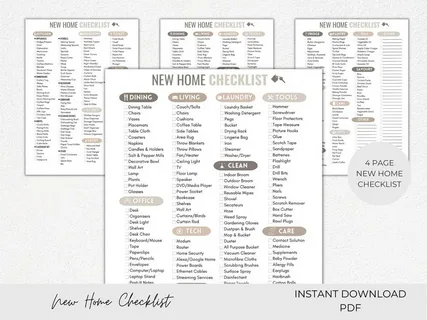
Living in a compact HDB flat or a landed property in Singapore comes with unique maintenance demands. The humidity, sudden tropical storms, and the occasional wall crack from resettling foundations mean your home is constantly working against the elements. Many homeowners assume they can get by with just a screwdriver and a roll of tape, only to find themselves scrambling when a faucet leaks at 9 PM or a picture hook gives way right before a festive gathering. A structured home tools checklist Singapore residents actually use is not about hoarding gadgets; it is about strategic readiness. It transforms chaos into confidence. Over the past decade, conversations with local handymen and property managers have revealed a consistent truth: homes that operate smoothly always have a dedicated toolkit that matches their specific living environment. Without this simple system, small annoyances escalate into costly service calls. You do not need a workshop-sized collection. Instead, you need the right seven tools that cover 90% of common household issues. This guide walks you through each essential category, explains why local conditions demand specific choices, and helps you build a kit that respects both space constraints and budget realities. By the end, you will see why thousands of Singapore households now treat their tool inventory as seriously as their first-aid box.
H2: Why Generic Advice Fails in a High-Humidity, Space-Conscious City
Living in a tropical climate changes the rules of tool maintenance entirely. Most online checklists originate from temperate countries where rust is a minor concern and storage space is plentiful. Here in Singapore, leaving a cheap wrench in a damp storeroom for three months can turn it into a crusty relic that no longer fits any bolt. Additionally, the typical HDB flat has limited cabinet space, meaning you cannot simply buy a massive rolling chest from an overseas hardware chain. This reality calls for a localized home tools checklist Singapore experts have refined through years of trial and error. Rust-resistant materials like chrome vanadium steel or coated tools are not luxuries; they are necessities. Furthermore, the prevalence of IKEA furniture, Asian-style plumbing, and smaller electrical outlets demands tool types that differ from Western standards. For example, a Phillips #2 screwdriver is universal, but you also need a specific size for those tiny screws found on local light switches and bathroom fixtures. Space efficiency also means choosing multi-bit drivers over individual handles whenever possible. You must also consider that many Singaporeans live in multi-generational homes where different people might borrow tools without returning them. A well-organized checklist prevents the dreaded scenario of hunting for a missing Allen key during a DIY curtain rod installation. By understanding these environmental and spatial constraints, you can avoid the frustration of owning tools that either break, rust, or simply take up room without delivering value.
H3: The Humidity Factor and Tool Longevity
Corrosion is the silent killer of any tool collection. When you follow a proper home tools checklist Singapore humidity levels demand that you prioritize stainless steel, chrome-plated, or titanium-coated options. Avoid carbon steel handles unless you are religious about drying and oiling them after each use. Store your tools in a ventilated area away from the bathroom or kitchen pipes. A simple trick used by local handymen is placing a few silica gel packets inside the tool drawer or toolbox. This small step can double the lifespan of your pliers and cutters. Additionally, consider a small hanging pegboard or a magnetic strip inside a dry cabinet if you have the wall space. This not only saves drawer space but also allows air to circulate around each tool, preventing moisture from getting trapped between stacked items. For power tools, always remove batteries when not in use, as battery terminals are especially vulnerable to corrosion in Singapore’s climate. By addressing humidity head-on, you ensure that when an emergency strikes, your tools are ready to perform.
H2: The Complete Home Tools Checklist Singapore Homeowners Actually Need
After analyzing hundreds of service requests and interviewing professional handymen across the island, seven specific tool categories emerged as non-negotiable. These items are not trendy or niche; they solve real problems that occur regularly in Singapore households. From tightening a wobbly ceiling fan to unclogging a slow bathroom drain, this checklist covers everything without unnecessary duplication. Let us break down each essential component and explain exactly why it earns a spot in your kit.
H3: 1. The Multi-Bit Screwdriver Set
One of the most common frustrations is needing a specific screw head that your single screwdriver does not have. A multi-bit driver with a comfortable handle and a storage compartment in the base solves this elegantly. Look for a set that includes Phillips #0, #1, and #2, as well as flatheads in 3mm and 5mm sizes. Additionally, having a few precision bits for electronics (like those tiny screws on a remote control or laptop) is a bonus. This single tool replaces an entire drawer of individual drivers. When assembling an IKEA bookshelf or securing a loose hinge on a kitchen cabinet, you will appreciate the magnetic bit holder that prevents screws from dropping into awkward gaps. For the home tools checklist Singapore smart homeowners use, this is often the most frequently reached item.
H3: 2. Slip-Joint Pliers with Wire Cutter
Pliers are the second most used tool in any home. A good slip-joint design allows you to adjust the jaw width, making it perfect for gripping pipes, holding nuts, or bending wire. The built-in wire cutter is essential for trimming cable ties, cutting flower wire, or snipping a stray piece of coat hanger. In Singapore, where many homes have outdoor drying racks that occasionally need minor repairs, pliers are indispensable. Avoid flimsy models with loose joints. Instead, invest in a mid-range brand that offers a comfortable grip and a spring-loaded action for easier one-handed operation. This tool will help you pull out jammed drawer slides, tighten shower head connections, and even remove stubborn nails that a claw hammer cannot quite grab.
H3: 3. Claw Hammer (16 oz or Lighter)
You do not need a heavy construction hammer for household tasks. A 16-ounce or even a lighter 12-ounce hammer is sufficient for hanging picture frames, tapping furniture joints back together, or light demolition work like removing old wall plugs. The curved claw is designed to pull nails efficiently without damaging the surrounding wall surface. In a typical Singapore home, you will most often use this for securing loose floorboards, assembling outdoor benches, or teaching a teenager basic DIY skills. Ensure the handle is either solid fiberglass or steel with a rubber grip to absorb shock. Wooden handles, while classic, can crack in our humidity. Keep this hammer in an easily accessible spot because nail-related emergencies, such as a popped nail on a window frame, require immediate attention to prevent further damage.
H3: 4. Adjustable Wrench (8-Inch)
Pipes and bolts come in various sizes, and you cannot buy a separate wrench for each one. An 8-inch adjustable wrench is the perfect compromise for home use. It is large enough to handle most bathroom and kitchen plumbing fixtures but compact enough to fit into tight spaces under the sink. Use this to tighten a leaking tap handle, secure a gas hose connector (if applicable), or adjust the legs of a wobbly washing machine. The key to using an adjustable wrench correctly is setting the jaw width precisely to avoid rounding off bolt heads. For the home tools checklist Singapore’s plumbing situations, this wrench is a lifesaver. It also works beautifully on bicycle nuts and outdoor furniture bolts that tend to loosen over time due to vibration from nearby roads or MRT tracks.
H3: 5. Retractable Utility Knife with Snap-Off Blades
Opening cardboard boxes, cutting carpet, stripping thick wire insulation, or trimming wallpaper demands a sharp blade. A retractable utility knife with snap-off segmented blades ensures you always have a fresh, razor-sharp edge. This is far safer and more effective than using kitchen scissors for heavy-duty cutting. In a typical month, a Singapore household might receive multiple e-commerce parcels, and breaking down those boxes for recycling becomes a chore without the right cutter. Additionally, if you ever need to cut a new piece of rubber seal for a window aircon unit or trim a vinyl floor tile, this knife is your best friend. Always store it with the blade retracted and keep spare blades in the handle compartment. Safety is paramount, but so is efficiency—dull blades cause more accidents than sharp ones.
H3: 6. Steel Measuring Tape (5 Meters)
A 5-meter tape measure is ideal for Singapore apartment dimensions because it can span the length of most rooms without needing to reposition. You will use this for measuring furniture to ensure it fits through the doorway, checking wall space for a new TV mount, or calculating how much shelf liner to buy. More advanced models include a magnetic hook for measuring metal surfaces and a locking button to hold the measurement steady. This tool is often overlooked until you are at the furniture store trying to remember if a 180cm sofa fits into a 200cm wall recess. Keep it in your tool drawer, and you will be surprised how often family members borrow it for everything from measuring curtains to checking the height of a new refrigerator.
H3: 7. LED Headlamp or Compact Flashlight
Working under a sink, inside a dark closet, or behind a washing machine requires hands-free illumination. A simple LED headlamp is transformative. It allows you to see what you are doing while keeping both hands on the wrench or screwdriver. In Singapore, where many electrical panels are located in dim utility rooms, a reliable light source prevents fumbling and potential wiring mistakes. Alternatively, a compact, rechargeable flashlight with a magnetic base can be stuck to metal pipes or the fridge side for directed light. This is one of the most underrated items on any home tools checklist Singapore homeowners should prioritize. A power outage during a thunderstorm is not the time to realize you have no working torch. Ensure your light source uses rechargeable batteries or easily available AA cells, and test it every few months.
H2: Advanced Add-Ons for Specific Needs
Once you have mastered the core seven, you might consider a few specialized items depending on your home type and lifestyle. Condo dwellers with marble flooring might need a special suction cup for lifting heavy tiles. Landed property owners often require a larger pipe wrench and a garden hose repair kit. For families with young children, a stud finder becomes essential for securely mounting heavy shelves and child safety gates. Also, consider a small bubble level. Nothing ruins a beautiful gallery wall faster than crooked frames. A magnetic stud finder, which is affordable and requires no batteries, is a clever addition to any advanced kit. It locates the wooden beams behind drywall so you can hang heavy mirrors or TV brackets safely. These add-ons are not mandatory for every household, but they elevate your toolkit from basic maintenance to serious DIY capability. Evaluate your home’s specific pain points—do you have a constant issue with a sliding door track? Then a silicone lubricant spray should live next to your pliers. Do you have many battery-operated children’s toys? Then a small soldering iron or a precision screwdriver set for battery compartments is wise.
H2: Common Mistakes When Assembling a Home Toolkit in Singapore
Even with the best intentions, many homeowners fall into predictable traps. Recognizing these pitfalls will save you money and prevent clutter.
The first mistake is buying a massive pre-assembled kit from a department store. These kits often look impressive but contain dozens of low-quality tools you will never use. The screwdrivers strip easily, the wrench has too much play, and the whole case takes up valuable cupboard space. Instead, buy individual tools of higher quality. You only need the seven items listed above, so purchasing them separately for a slightly higher cost yields far better long-term value.
The second error is neglecting storage. Throwing all your tools loose into a cardboard box or a plastic bag is a recipe for lost and damaged items. Invest in a small, sturdy toolbox with compartments or a tool roll that hangs on the back of a door. A tool roll is particularly space-efficient for HDB flats because it lies flat and can be stored behind a bedroom door or inside a wardrobe. This also encourages you to put each tool back in its designated slot, so you never waste time searching.
A third common mistake is forgetting about safety gear. A basic pair of safety glasses and a pair of cut-resistant gloves should accompany your tools. When you are cutting a zip tie that is under tension or hammering near a wall, a stray piece of plastic or a splinter can fly into your eye. These safety items take up almost no space and can prevent an emergency room visit. Lastly, do not ignore the expiration of consumables. The spare batteries in your flashlight can leak and corrode the contacts. The snap-off blades in your utility knife can rust if stored in a damp environment. Make it a habit to inspect your home tools checklist Singapore climate conditions dictate this every six months.
H2: How to Organize Your Toolkit for Maximum Efficiency
Organization is the secret weapon of trouble-free home maintenance. Start by designating a single, consistent location for all your tools. This could be the top shelf of a storeroom, a specific drawer in the kitchen, or a cabinet in the service yard. Every family member should know where this spot is. Inside that location, separate your tools into three zones: frequently used (screwdriver, pliers, hammer), occasionally used (tape measure, adjustable wrench), and rarely used (specialized items like a stud finder or extra blades). This zoning prevents you from digging through piles during an urgent leak repair.
For the best use of vertical space, consider a magnetic tool bar on the inside of a cabinet door. This holds your pliers, wrench, and hammer securely while keeping them visible. Smaller items like screwdriver bits, spare knife blades, and wall plugs should live in a small, clear plastic organizer with dividers. Label each section with a marker so you know instantly where everything belongs. Additionally, create a simple inventory list on a sticky note inside the toolbox lid. This “master list” tells you at a glance if something is missing. When you borrow a tool to fix a neighbor’s leaking pipe or you take the screwdriver to another room, you check it off the mental inventory.
H2: Frequently Asked Questions About Home Toolkits in Singapore
1. How often should I inspect and maintain my home tools checklist Singapore households rely on?
You should perform a basic inspection every three months. Check for rust on pliers and wrenches, test the sharpness of utility knife blades, and ensure your flashlight still works. Wipe down any metal surfaces with a slightly oily rag to prevent corrosion, especially if you store tools near the kitchen or bathroom. Also, tighten any loose handles on hammers or screwdrivers. This quarterly habit takes less than ten minutes but ensures every tool functions correctly during an emergency.
2. Can I use a multi-tool like a Leatherman instead of a full-sized toolkit?
A multi-tool is a great backup for quick fixes or for keeping in your car, but it cannot replace full-sized tools for real home maintenance. The small handles on a multi-tool do not provide enough leverage for tightening plumbing fixtures or pulling stubborn nails. For everyday tasks like tightening a loose screw on a drawer pull, a multi-tool works fine. However, for the common repair jobs in a typical HDB flat, you need the mechanical advantage of a dedicated screwdriver and pliers. Think of a multi-tool as a convenience item, not your primary solution.
3. Where is the best place to buy quality tools locally without overspending?
Hardware stores in neighborhood heartlands often offer the best balance of price and quality because they stock brands that local contractors trust. Chains like Selffix or Horme hardware provide a wider selection, but your local uncle’s hardware shop can give you personalized advice and let you feel the tool’s weight and grip before buying. Avoid the cheapest options from online flash sales, as they often use inferior metal that bends or breaks. For critical items like your adjustable wrench and pliers, spend a little more upfront to buy from a reputable brand with a warranty.
4. What are the first three tools a new homeowner in Singapore should buy immediately?
On moving day, you should have a multi-bit screwdriver, a pair of slip-joint pliers, and a good utility knife. These three tools will handle 80% of immediate post-move tasks: assembling furniture, cutting away packaging, adjusting door hinges, and connecting washing machine hoses. You can add the hammer, wrench, tape measure, and flashlight over the following weeks. Getting those three core tools before you even step into your new home saves you from frantic trips to a convenience store that only sells overpriced, low-quality options.
5. How can I child-proof my home toolkit if I have toddlers at home?
Safety is critical. Store all tools in a locked toolbox or a high cabinet that your child cannot reach. Never leave tools unattended on a coffee table or floor. For sharp items like the utility knife, use a blade locking mechanism and remove the blade entirely when not in use. Also, consider buying a tool cabinet with a combination lock or a simple padlock hasp. Teach older children that tools are not toys and should only be used under adult supervision. A responsible home tools checklist Singapore parents use always includes a secure storage protocol, not just the tools themselves.
6. Do power tools belong on a basic home tools checklist?
For most Singapore households, power tools like an electric drill or an impact driver are optional. If you plan to mount multiple shelves, install curtain rods into concrete walls, or assemble a large outdoor setup, a cordless hammer drill is incredibly useful. However, for the first year of home ownership, stick to manual tools. They are quieter, safer, and require no battery charging. If you find yourself needing to drill holes more than twice a month, then add a 12-volt drill to your advanced kit. Do not buy a power tool just because it looks impressive; let your actual repair history dictate that purchase.
7. What is one tool that people forget but desperately need during a plumbing emergency?
A basin wrench. This is a specialized long-handled tool with a spring-loaded jaw designed to reach the nuts that hold faucets onto sinks. When your kitchen tap starts leaking from the base, a standard adjustable wrench cannot fit into the tight space behind the sink bowl. A basin wrench solves that problem. While this is not in the core seven, any homeowner who has experienced a dripping faucet will tell you it is worth its weight in gold. Keep it in your “advanced” kit, and you will thank yourself during a Sunday evening plumbing crisis.
H2: Final Thoughts on Building Your Winning Toolkit
Creating an effective home tools checklist Singapore living conditions demand is an act of practical wisdom. It is not about collecting every gadget from the hardware aisle. It is about curating a small, mighty set of tools that empower you to handle the unexpected. A dripping tap, a loose wardrobe rail, a wobbly fan—these are not disasters. They are five-minute fixes when you have the right tool in the right place at the right time. This sense of control reduces stress, saves money on minor service calls, and even teaches younger family members valuable life skills. Start with the seven essentials: the multi-bit screwdriver, slip-joint pliers, claw hammer, adjustable wrench, utility knife, tape measure, and a headlamp. Store them intelligently, inspect them quarterly, and add specialized items only as your home’s unique needs emerge. Within a few months, you will wonder how you ever managed without this simple system. Your home will run smoother, your weekends will be free for leisure instead of frantic repairs, and you will have the quiet satisfaction of being truly prepared. Invest the small amount of time and money today, and enjoy years of hassle-free home ownership in our beautiful, bustling city.








Leave a Reply