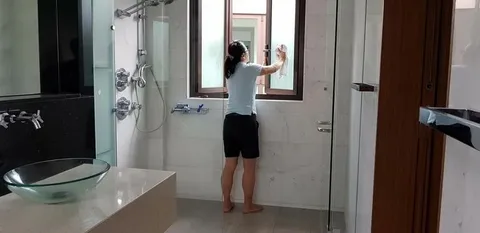
Living in Singapore presents a unique set of challenges for maintaining a pristine living space. The relentless humidity, the fine dust carried by urban winds, and the compact layout of HDB flats and condominiums mean that a simple surface wipe is never enough. Most homeowners rely on daily sweeping and weekly mopping, but over time, grime accumulates in places you cannot see. This buildup not only dulls the appearance of your home but also impacts indoor air quality. That is why a proper deep cleaning Singapore home routine is not a luxury; it is a necessity for health and longevity of your furnishings. When performed correctly, a deep clean resets your environment, stripping away the biofilm of bacteria and allergens that standard cleaning leaves behind.
The difference between a tidy home and a truly sanitary one comes down to technique and sequence. Many people start cleaning a room and simply move visible objects, pushing dust from one corner to another. A professional approach to deep cleaning Singapore home environments involves a top-to-bottom, back-to-front methodology that ensures no particle is left circulating. You must address the overlooked ecosystems within your house, such as the rubber seals of refrigerators, the tracks of sliding doors, and the grout lines in your bathroom. These areas are breeding grounds for mold spores, which thrive in Singapores tropical climate. If you have lived in your current residence for more than six months without a rigorous interior reset, you are likely breathing in a cocktail of dust mites and volatile organic compounds trapped in your soft furnishings.
Why Standard Cleaning Fails in Humid Climates
The tropical environment of Singapore acts as an accelerator for deterioration. A dry cloth or a standard multipurpose spray merely smears oils and moisture around. Within hours, the humidity rehydrates that residue, allowing mold and mildew to colonize the surface. For a deep cleaning Singapore home process to be effective, you must incorporate drying agents and sanitizers that break down organic matter rather than just masking it. Bathrooms are the primary battleground, where soap scum combines with hard water stains to create a cement-like layer on glass doors and tiles. Kitchens face a similar fate, with grease vaporizing during cooking only to settle as a sticky film on cabinet tops and exhaust fans. Without a methodical approach involving soaking, agitation, and extraction, these deposits become permanent.
Furthermore, the modern Singapore home relies heavily on air conditioning, which creates a closed-loop system for dirt. The filters trap large particles, but the fine dust circulates until it finds a static charge on your walls or electronics. A genuine deep cleaning Singapore home checklist must include the cleaning of aircon louvers (externally) and the wiping of all vertical surfaces, which are often ignored. You should also pay attention to the “human factor”—the oils from your skin accumulating on light switches, door handles, and remote controls. These high-touch zones are bacterial highways. Research suggests that a typical living room remote control harbors more bacteria than a toilet seat if not included in a deep sanitation cycle. Therefore, moving beyond aesthetics to microbiological cleanliness is the true marker of success.
The 7-Step System for a Sterile Living Space
To achieve a result that remains fresh for weeks rather than days, you must follow a specific choreography. This system is designed by professional cleaners who understand the physics of dirt. The core principle is always to clean dry before you clean wet. Vacuuming with a HEPA-filtered machine removes the abrasive particles that would otherwise turn into mud when mixed with water. After dry removal, you apply appropriate solutions based on surface porosity. Let us break down the seven secrets that elevate a standard tidy-up into a transformative deep cleaning Singapore home experience.
Step 1: Declutter and Dry Zone Preparation
Before any liquid touches a surface, you need to clear the area. This does not mean just pushing items aside. You must remove everything from shelves, countertops, and floors. The psychology behind this is simple: obstacles create “shadow zones” where cleaners skip. For a successful deep cleaning Singapore home operation, take all decorative items, toiletries, and kitchen appliances and place them in a separate, cleaned zone like a bathtub or a temporary bin. This allows you to access the entire perimeter of the room. While everything is removed, inspect these items. Discard expired medications, empty bottles, and broken electronics. Dust accumulation on stored goods negates your efforts if you put them back immediately. Wipe each item with a microfiber cloth before returning it to its freshly cleaned home.
Step 2: Ceiling to Floor Dry Dusting
Dust falls consistently due to gravity. If you sweep the floor first and then dust the ceiling fan, you are simply recontaminating the ground. Reverse this process. Using an extendable duster with a washable head, start at the ceiling corners where cobwebs accumulate in Singapore’s high-rise flats. Move to light fixtures, ceiling fan blades, and then the tops of picture frames and cabinets. Many HDB flats have textured walls that trap dust; use a soft brush attachment on your vacuum for these surfaces. The deep cleaning Singapore home protocol insists on cleaning air vents and return grilles at this stage. Remove the grilles if possible and wash them in the sink. The amount of black lint trapped here is astonishing and directly affects your respiratory health. Finally, dust all baseboards and window sills before moving to the floor.
Step 3: Kitchen Degreasing and Sanitization
The kitchen requires a shift in chemistry. General cleaners cannot break down the polymerized oil that builds up on rangehoods and backsplashes. For a thorough deep cleaning Singapore home kitchen session, use an alkaline degreaser. Apply it to the rangehood filter and let it soak while you scrub the stovetop burners. Pay attention to the rubber gaskets of the refrigerator; these are often sticky and harbor black mold. Use a toothbrush dipped in a baking soda paste to scrub these crevices. The exterior of cabinets, especially those near the stove, will have a tacky film. Wipe them with a solution of warm water and vinegar (avoiding natural stone surfaces like marble). Do not forget the kickboards under the cabinets. Crumbs and dust slide under there constantly. A professional deep cleaning Singapore home always includes pulling out the refrigerator and oven to clean the side panels and the floor beneath, which is likely a forgotten graveyard of spilled soy sauce and lost bottle caps.
Step 4: Bathroom Biofilm Eradication
Bathrooms are the most challenging zone due to humidity and constant water flow. To achieve a true deep clean, you need to treat the shower head and taps for limescale. Wrap vinegar-soaked paper towels around the faucets and let them sit for an hour to dissolve calcium deposits. For the toilet, drop a cup of baking soda followed by a cup of vinegar into the bowl, let it fizz for ten minutes, then scrub the inside rim and under the rim jets with a small brush. The shower area is where soap scum wins. Use a steam cleaner if available, or a heavy-duty scrubbing sponge with pumice for glass doors. The grout lines on the floor are porous and darken with mildew. Bleach-based gel pens are excellent for tracing the grout lines; let them sit for fifteen minutes before scrubbing with a stiff brush. A proper deep cleaning Singapore home routine will also address the exhaust fan. Remove the cover and vacuum the motor area (with the power off). Dust buildup here restricts airflow, causing moisture to linger and promoting the very mold you just removed.
Step 5: Living Room Fabric and Upholstery
Soft surfaces are the lungs of your home. Carpets, sofas, and curtains trap allergens deeply within their fibers. While a vacuum removes surface dirt, it rarely extracts embedded dust mites. For a comprehensive deep cleaning Singapore home plan, rent or purchase an upholstery cleaner with a hot water extraction function. Treat your sofa (checking fabric codes first) and any area rugs. If you have curtains that are not dry-clean-only, throw them in the washing machine on a warm cycle. For electronics, use a specialized gel or a soft brush to clean the keyboard and speaker grilles. The television screen and monitor frames collect static dust; use a dry microfiber cloth specifically for screens, never a wet rag. Additionally, all light switches and door handles in the living area should be disinfected with an alcohol-based wipe. These high-touch points are frequently missed but are critical for reducing the spread of viruses within the household.
Step 6: Window and Door Frame Detailing
Singapore homes often feature large sliding glass doors to balconies and floor-to-ceiling windows. The tracks of these systems are a primary source of black, slimy dirt. Use an old butter knife wrapped in a cloth to scrape out the compacted grime from the track grooves. Follow up with a vacuum narrow nozzle attachment, then a damp cloth. For the glass itself, achieving a streak-free finish in humidity is tricky. Use a professional squeegee rather than paper towels. Apply a solution of dish soap and water, scrub with a pad, and then pull the squeegee from top to bottom in a single motion. Wipe the blade dry after each pass. The window frames and hinges should also be cleaned. For the deep cleaning Singapore home process to be complete, you must also clean the interior side of the main door. This door faces the corridor and brings in dust from the lift lobby every time it opens. Wipe it down with a disinfectant spray, focusing on the handle and the edges.
Step 7: Floor Finishing and Baseboard Focus
Finally, you reach the floors. However, note that you have already vacuumed. Now you must mop in a way that does not leave residue. Different floor types require different methods. For vinyl or tile, use a neutral pH cleaner. For marble or natural stone, use a specific stone soap (acidic or alkaline cleaners will etch the surface). The technique is crucial: use two buckets—one for soapy water and one for rinsing your mop head. Change the water whenever it becomes visibly dirty. For a truly deep cleaning Singapore home result, do not just mop the open areas. Move furniture slightly and mop behind them. Mop the floor under the bed. Pay special attention to the corners where the baseboard meets the floor. Use a small detailing brush along this seam to lift the final line of dust. Allow the floors to air dry completely before walking on them with socks or replacing furniture. This prevents slip hazards and ensures no wet dirt is tracked onto dry areas.
Common Mistakes That Ruin Your Deep Cleaning Effort
Even with the best intentions, many Singapore homeowners sabotage their own cleaning marathons. The most frequent error is mixing chemicals. When you combine bleach with ammonia or vinegar with bleach, you create chloramine or chlorine gas, which is toxic and can cause severe respiratory damage. Always stick to one product per surface and rinse thoroughly. Another mistake is using the wrong cloth. Old t-shirts and paper towels often scratch stainless steel and glass, leaving micro-scratches that harbor future dirt. Invest in microfiber cloths of different colors for different zones (blue for glass, yellow for general, red for bathrooms). A third critical error is rushing the drying phase. In Singapore’s humidity, if you close the windows immediately after mopping, the water stays trapped. You need to create cross-ventilation using fans or air conditioning in dry mode to wick moisture away quickly. If you fail to dry the space, you will smell a musty odor within 24 hours, indicating that mold spores are already reactivating.
People also frequently neglect the “cleaner within the cleaner.” Your washing machine, dishwasher, and vacuum cleaner need sanitation too. If you use a vacuum to clean a dusty floor, the vacuum filter itself becomes a breeding ground for bacteria. Always wash vacuum bins and replace HEPA filters according to the schedule. Similarly, run a cleaning cycle in your washing machine with a washing machine cleaner tablet. If you wash your cleaning cloths in a dirty machine, you are simply transferring bacteria back onto the cloths, which you then smear on your “clean” countertops. A professional deep cleaning Singapore home strategy always includes maintaining the maintenance tools.
How Often Should You Perform a Deep Clean?
The frequency depends heavily on lifestyle factors. A household with young children, pets, or allergy sufferers requires a deep cleaning Singapore home session every three months. For a couple living in a smaller HDB flat without pets, a bi-annual deep clean (once every six months) is usually sufficient to maintain the structural integrity of the home. However, certain triggers should force an immediate deep clean regardless of the calendar. If you have had a house party, recently renovated (drywall dust is incredibly fine and acidic), or noticed a spike in your family’s allergy symptoms, do not wait. Seasonal considerations also matter. The monsoon season and the inter-monsoon periods in Singapore bring higher humidity, accelerating mold growth. Scheduling your deep clean just before the Northeast Monsoon season in November helps protect your home during the wettest months.
Between deep cleans, you should maintain a “touch cleaning” routine. This involves daily surface wiping of the kitchen counter and weekly vacuuming of high-traffic areas. The key to making the deep clean last longer is to control the entry points. Place a high-quality doormat outside your main door and a secondary washable rug inside. Implement a “no outside shoes” policy strictly. Most dirt in Singapore homes is tracked in from shoes that walk on pavement, construction dust, and public transport floors. By removing shoes at the threshold, you reduce the cleaning burden by approximately 70 percent. Furthermore, running a dehumidifier or your air conditioner in fan mode for a few hours a day reduces the sticky feeling that attracts airborne dust to your walls and ceilings.
FAQ Section
1. What is the difference between standard cleaning and a deep cleaning Singapore home service?
Standard cleaning focuses on surface-level tidiness, such as wiping tables, sweeping floors, and taking out the trash. It is designed for maintenance. A deep cleaning Singapore home service, whether DIY or professional, targets the hidden grime that accumulates over months. This includes scrubbing grout, degreasing kitchen exhaust filters, cleaning inside the oven, wiping down all baseboards, disinfecting light switches, cleaning window tracks, and washing curtains or blinds. Deep cleaning is a reset; standard cleaning is a touch-up. While a standard clean might take one to two hours for a typical HDB flat, a full deep clean can take six to eight hours due to the detailing required. You need a deep clean if you notice musty smells, visible mold spots in corners, or sticky surfaces despite regular wiping.
2. How can I remove stubborn mold from silicone sealants in my Singapore bathroom?
Mold on silicone sealants is a common problem due to constant moisture. For a deep cleaning Singapore home approach, first, spray the affected area with a bleach-based gel cleaner. Let it sit for at least thirty minutes to penetrate the pores of the silicone. After the time has passed, scrub vigorously with a stiff, small brush (like a toothbrush). Rinse with hot water. If the black spots remain, the mold may have stained the silicone permanently. In that case, the only true solution is to remove the old sealant with a sealant remover tool and apply a fresh bead of mold-resistant silicone. To prevent recurrence, ensure your bathroom exhaust fan is working correctly, and use a squeegee on shower walls after every use. Running a small dehumidifier in the bathroom for an hour after showers makes a significant difference in mold prevention.
3. Is it safe to use steam cleaning on all floor types in a Singapore home?
Steam cleaning is an excellent tool for a deep cleaning Singapore home because it kills bacteria without chemicals. However, it is not safe for all floors. You can safely use steam mops on sealed ceramic tiles, porcelain tiles, and sealed vinyl floors (LVP). You should never use steam on unsealed wood, laminate flooring, or luxury vinyl that is not fully clicked and sealed, as the moisture will seep into the seams and cause swelling or warping. For marble or natural stone floors, steam can penetrate microscopic pores and cause the stone to discolor or crack over time. Always check your flooring manufacturer’s warranty before using a steam mop. If you have mixed flooring, stick to a traditional damp microfiber mop for safety. When using steam, keep the mop moving continuously; letting it sit in one spot concentrates heat and moisture, which can lift the adhesive on vinyl tiles.
4. What natural solutions work best for deep cleaning a home without harsh chemicals?
For those seeking a toxin-free deep cleaning Singapore home routine, several natural agents are highly effective. White vinegar (diluted 1:1 with water) is excellent for cutting through grease on glass and dissolving limescale on taps, though avoid it on natural stone. Baking soda paste (baking soda mixed with a tiny amount of water) acts as a gentle abrasive for scrubbing oven doors and bathtub stains without scratching. Lemon juice is a natural bleaching agent; rubbing a cut lemon on a cutting board removes stains and odors. For disinfection, 70% isopropyl alcohol is technically a chemical but evaporates cleanly and kills viruses without leaving a toxic residue; it is safe for stainless steel and glass. Castile soap mixed with water is a plant-based solution for floors. Remember that natural cleaners require more elbow grease; they do not work instantly like industrial degreasers, but they are safer for homes with children, pets, or respiratory sensitivities.
5. How do I maintain the results of a deep cleaning Singapore home for longer?
Maintaining a deep clean requires behavioral changes and a quick daily reset. First, institute a “shoes off” policy immediately after the deep clean to prevent street dirt from entering. Place doormats inside and outside every entrance. Second, run your air conditioner in dry mode or a standalone dehumidifier for two hours daily. Lower humidity means less airborne dust clumping together and less mold growth. Third, adopt the “one-minute rule”: if you see a spill or a speck of dust on a high-touch surface, wipe it immediately so it does not attract more dirt. Fourth, wash your cleaning tools weekly. Your mop heads, vacuum filters, and cloths must be clean to avoid reintroducing grime. Finally, open your windows for thirty minutes every morning if the external air quality is decent (check the PSI reading). This exchange of stale indoor air for fresh air reduces the concentration of VOCs that settle on walls and furniture, keeping your home fresher between deep cleaning sessions.






Leave a Reply