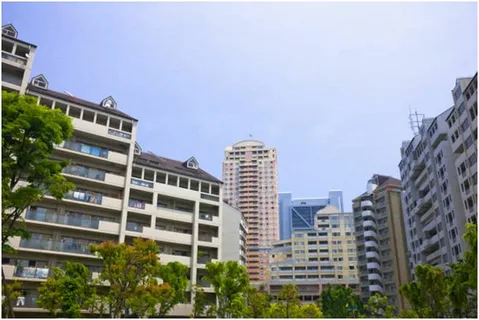
Living in a vibrant city-state like Singapore comes with countless advantages, from world-class infrastructure to unparalleled convenience. However, the unique tropical climate and high-density living environment create a specific set of challenges inside our private sanctuaries. Many homeowners and tenants alike struggle silently with maintenance issues that seem minor but can escalate into expensive disasters if ignored. Understanding these common home problems Singapore residents encounter is the first step toward protecting your investment and your family’s health. From hidden moisture damage to electrical quirks, local homes face a distinct battle against nature and urban wear. The good news is that most of these issues are entirely preventable with the right knowledge and proactive habits. By recognizing the early warning signs, you can save thousands of dollars in repair costs and maintain a comfortable, safe living space year-round.
The Hidden Battle Against Humidity and Mold
Singapore’s average humidity levels often hover above 80 percent, creating a breeding ground for mold and mildew inside even the cleanest homes. This is arguably the most pervasive of all home problems Singapore property owners face because the climate never truly has a dry season. Mold doesn’t just look unsightly on walls and ceilings; it releases spores that can trigger respiratory issues, allergies, and asthma attacks, particularly in children and the elderly. Bathrooms, kitchens, and poorly ventilated bedrooms are the most vulnerable areas, but mold can also thrive behind wardrobes, under sinks, and inside air conditioning units. Many residents mistakenly believe that simply wiping the surface clean solves the problem, but the roots often penetrate deep into porous materials like drywall, grout, and wood. Without addressing the underlying moisture source, mold will return within weeks, often more aggressively than before.
Why Condensation Creates Silent Damage
Condensation occurs when warm, moist air meets a cooler surface, and in Singapore’s climate, this happens constantly. Your air-conditioned living room creates the perfect conditions for water droplets to form on windows, mirrors, and even exterior walls. Over time, this trapped moisture seeps into paint layers, causing bubbling, peeling, and eventually structural weakness. One of the most overlooked home problems Singapore homeowners ignore is the gap between furniture and external walls. A wardrobe pushed flush against a poorly insulated wall will trap moisture behind it, leading to a hidden mold colony that only becomes visible when you move furniture years later. To combat this, experts recommend maintaining consistent indoor temperatures, using dehumidifiers during rainy periods, and ensuring at least a two-inch gap between heavy furniture and exterior walls.
Bathroom Ventilation Failures
Most HDB flats and condominiums come equipped with mechanical ventilation fans, but these units often lack sufficient power to clear steam after hot showers. The resulting humidity settles on ceiling panels, mirror frames, and silicone sealants, accelerating their degradation. Cracked or discolored sealant around bathtubs and shower screens is not just an aesthetic issue; it allows water to seep into the subfloor, causing rot and attracting wood-destroying insects. A simple yet effective solution involves running the ventilation fan for at least thirty minutes after bathing and wiping down wet surfaces with a squeegee. Additionally, installing a timer switch for your bathroom fan ensures it runs long enough to extract all lingering moisture without wasting electricity throughout the day.
Pest Invasions in Urban Dwellings
Despite Singapore’s reputation for cleanliness, the dense urban environment means pests are never far away. From construction sites to neighboring units, insects and rodents find their way into homes through the smallest cracks and crevices. Among the most distressing residential pest issues are bed bugs, which spread rapidly through shared laundry facilities, public transport, and even second-hand furniture. Bed bug infestations represent one of the most psychologically taxing home problems Singapore renters and owners face because they disrupt sleep and require professional heat treatments to eliminate completely. Cockroaches, ants, and lizards are more common but no less unpleasant, often indicating gaps in your home’s defensive perimeter.
Early Detection of Termite Activity
Termites cause millions of dollars in structural damage annually across the island, yet many residents only notice the problem when hollow-sounding wood or mud tubes appear on walls. These silent destroyers enter through foundation cracks, plumbing penetrations, and even expansion joints between floor slabs. Unlike other pests, termites actively hide their presence, consuming wood from the inside out while leaving a thin veneer intact. The most dangerous aspect of termite-related home problems Singapore homeowners face is that insurance policies rarely cover the resulting damage, classifying it as a preventable maintenance issue. Regular inspections by licensed professionals, combined with reducing moisture around your property’s perimeter, form the best defense against these costly invaders. Removing cardboard boxes, storing firewood away from the building, and fixing leaky faucets immediately reduces your risk significantly.
Managing Ant Colonies and Food Sources
Ghost ants and pharaoh ants have become increasingly common in Singaporean kitchens, attracted by the slightest crumb or sticky residue. These tiny pests establish supercolonies within wall voids, making them difficult to eradicate with over-the-counter sprays alone. The key to solving ant-related home problems Singapore families complain about involves eliminating both the visible workers and the hidden queen. Baits containing slow-acting insecticides allow workers to carry poisoned food back to the nest, eventually collapsing the entire colony. Sealing entry points around pipes and electrical conduits with silicone caulk creates a long-term barrier, while storing all dry goods in airtight containers removes the ants’ incentive to enter your living spaces.
Plumbing Leaks and Water Pressure Woes
Hidden pipe leaks rank among the most financially damaging issues a property can experience. Unlike visible drips from a faucet, a slow leak behind a tiled wall or concrete slab can go undetected for months, causing mold growth, warped flooring, and even slab heave in severe cases. Older HDB flats built in the 1980s and 1990s often use galvanized steel pipes that corrode from the inside, eventually developing pinhole leaks that spray tiny amounts of water continuously. Detecting these concealed plumbing home problems Singapore residents face requires vigilance—unexpected increases in your monthly water bill, musty odors, or warm spots on the floor all warrant investigation.
Toilet Running and Silent Leaks
A toilet that runs continuously between flushes can waste hundreds of liters of water each day, yet many homeowners dismiss the sound as normal. The culprit is usually a worn flapper valve or a float mechanism that fails to seal properly, allowing water to trickle from the tank into the bowl. This type of leak is often silent and invisible, making it one of the most wasteful household issues that goes unnoticed. Testing for toilet leaks is simple: place a few drops of food coloring into the tank and wait fifteen minutes without flushing. If color appears in the bowl, you have a leak that needs immediate attention. Replacing internal toilet components costs very little and pays for itself through lower utility bills within months.
Low Water Pressure from Clogged Fixtures
Many Singaporean households complain about weak shower flow or slow-filling washing machines, often assuming the problem lies with the building’s main supply. In most cases, however, the issue stems from mineral buildup inside aerators, showerheads, and supply hoses. Singapore’s water, while safe to drink, contains dissolved minerals that slowly accumulate over years, narrowing the passages through which water flows. Soaking removable fixtures in white vinegar overnight dissolves these deposits, restoring pressure without any plumbing modifications. If cleaning doesn’t solve the problem, the next suspect is a partially closed main valve or a failing pressure-reducing valve, both of which require professional assessment.
Electrical System Challenges in Modern Homes
As families add more smart devices, entertainment systems, and high-wattage appliances, older electrical systems struggle to keep up. Circuit breakers that trip frequently are not merely an inconvenience; they signal that your wiring is being pushed beyond its safe capacity. Overloaded circuits generate excess heat, which degrades insulation over time and creates fire hazards. Many home problems Singapore residents overlook involve outdated consumer units that lack residual current devices, which are essential safety components that cut power within milliseconds of detecting a fault. Upgrading your distribution board may seem expensive, but it protects your family from electrocution and prevents electrical fires.
Flickering Lights and Loose Connections
Intermittent flickering often points to a loose connection somewhere in the circuit, either at a light fixture, switch, or within the ceiling rose. While a single flickering bulb might be a dying LED driver, multiple lights flickering simultaneously suggests a more serious issue at the circuit breaker or main service panel. Loose connections arc electricity across small gaps, generating extreme heat that can melt wire insulation and ignite surrounding materials. This ranks among the most urgent home problems Singapore homeowners should never ignore, as arcing faults are a leading cause of residential fires. If you notice any burning smell near electrical panels or see visible scorch marks on outlets, disconnect power immediately and call a licensed electrician.
Insufficient Power Outlets Leading to Hazards
Modern families rely on many more devices than homes were designed to accommodate twenty years ago. The resulting shortage of accessible outlets tempts residents to use extension cords and multi-plug adapters daisy-chained together, creating significant fire risks. Overloading a single wall outlet with high-current appliances like air fryers, space heaters, and irons can cause the receptacle to melt or catch fire. A safer solution involves having additional outlets installed by an electrician, positioned where you actually need them rather than relying on temporary cords running across floors. This proactive approach eliminates trip hazards and reduces the strain on your home’s electrical infrastructure.
Wall Cracks and Structural Settlement
Fine hairline cracks appearing on interior walls and ceilings often cause unnecessary panic among new homeowners. In most cases, these cracks result from natural thermal expansion and contraction or minor building settlement, which is completely normal and non-structural. However, wider cracks that exceed three millimeters in width, especially those that run diagonally across walls or appear suddenly after heavy rain, warrant professional evaluation. The most concerning home problems Singapore property owners face regarding cracks involve those that extend through both interior and exterior finishes, possibly indicating foundation movement or failing retaining walls.
When Cracks Indicate Serious Problems
Horizontal cracking along masonry walls or cracks that stair-step along mortar joints suggest lateral pressure from soil or water accumulation outside, potentially compromising the wall’s stability. Similarly, cracks that appear above door frames and widen over time may indicate that structural beams are sagging or that support columns have settled unevenly. Documenting crack development with dated photographs helps engineers determine whether movement is active or dormant. Simple monitoring involves marking the ends of a crack with a pencil and checking whether the distance increases after several months. Active cracks require epoxy injection or carbon fiber reinforcement, while dormant cracks can be filled with flexible sealant and repainted.
Door and Window Alignment Issues
Doors that stick or refuse to latch properly are more than everyday annoyances; they often indicate changes in your home’s humidity or foundation. Wooden doors absorb moisture from Singapore’s humid air, swelling enough to rub against their frames. While seasonal sticking is normal, sudden misalignment after heavy rainfall or construction nearby might suggest that supporting walls have moved. Conversely, gaps appearing around door frames or windows that no longer seal tightly allow cooled air to escape, driving up electricity bills as your air conditioner works harder to maintain temperature. These seemingly minor home problems Singapore residents dismiss actually waste significant energy over time.
Restoring Smooth Operation and Seals
For swollen wooden doors, planing down the binding edge by a few millimeters usually restores smooth operation permanently. However, if the door frame itself has shifted out of square, you may need to adjust the hinges by adding shims behind the hinge plates. Window seals made of rubber or silicone eventually harden and crack, losing their ability to block rain and noise. Replacing these weatherstrips is a low-cost weekend project that dramatically improves comfort and reduces external noise infiltration. For casement windows, checking and tightening the compression hinges ensures the sash pulls tightly against the frame when closed, preventing water from driving in during monsoon storms.
Flooring Deterioration and Maintenance
Laminated flooring has become increasingly popular in Singaporean homes due to its affordable price and attractive appearance, but it performs poorly in high-humidity environments. Moisture migrating up through the concrete subfloor causes laminate planks to swell at their edges, creating unsightly bubbling and eventually causing joints to separate. Once water damage occurs, individual planks cannot be easily replaced because most click-lock systems require disassembling large sections of the floor. The most frustrating home problems Singapore homeowners encounter with laminate involve repairs that never quite match the original color, as manufacturers discontinue shades within a few years.
Tile Popping and Hollow Sounds
Ceramic and porcelain tiles occasionally lose adhesion to the underlying concrete, producing a hollow sound when tapped. In severe cases, tiles may actually pop up from the floor, especially during periods of temperature fluctuation. This phenomenon, known as tenting, occurs when tiles expand faster than the perimeter gaps can accommodate, forcing them upward at the weakest point. Ignoring hollow tiles allows them to crack under foot traffic, creating sharp edges that pose cut hazards. Professional re-adhesion involves injecting epoxy adhesive through small holes drilled into the grout lines, a repair that avoids removing intact surrounding tiles. This approach preserves your floor’s appearance while solving the underlying bonding failure.
Indoor Air Quality and Hidden Pollutants
Beyond visible mold and dust, Singaporean homes harbor invisible pollutants that affect respiratory health. Volatile organic compounds off-gas from new furniture, paints, cleaning products, and even carpets, accumulating in poorly ventilated spaces. Formaldehyde, a common binder in pressed wood products, represents one of the most concerning indoor air pollutants because it continually releases gas for years after installation. Poorly maintained air conditioning systems also contribute to poor air quality by recirculating dust mites, bacteria, and fungal spores throughout your home. Addressing these air quality home problems Singapore families face requires a multi-pronged approach including regular filter changes, periodic duct cleaning, and introducing low-VOC materials during renovations.
Effective Ventilation Strategies
Opening windows during cooler morning hours allows stale indoor air to escape and fresh outdoor air to enter, reducing pollutant concentrations naturally. However, many high-rise residents hesitate to open windows due to noise from nearby roads or concerns about insects entering. In these cases, mechanical ventilation with heat recovery provides filtered fresh air without losing conditioned temperature. Portable air purifiers equipped with HEPA and activated carbon filters capture both particulate matter and gaseous pollutants, offering a flexible solution for bedrooms and home offices. Monitoring indoor CO2 levels with affordable sensors helps you know when ventilation is inadequate, especially in tightly sealed modern apartments.
Frequently Asked Questions
How often should I inspect my home for hidden water leaks?
Performing a thorough inspection every three months helps catch small issues before they become expensive disasters. Check under all sinks for moisture or staining, examine ceilings below bathrooms for yellow rings, and monitor your water meter overnight without using any appliances. A spinning meter indicates a leak somewhere in your system. Additionally, listen for running water sounds when all taps are off, particularly at night when ambient noise is lower. For complete peace of mind, hire a licensed plumber annually to perform pressure testing on your concealed piping.
What is the most common cause of mold in Singapore bedrooms?
Poor air circulation behind furniture placed against external walls creates the ideal environment for mold growth, especially when combined with nightly air conditioning that cools those walls. The cold surface attracts condensation from warm, humid room air, and the dark, still space behind wardrobes or bed heads prevents drying. Simply pulling furniture a few inches away from walls and occasionally moving pieces to allow air movement behind them dramatically reduces mold risk. Additionally, using a dehumidifier set to maintain 55 percent relative humidity prevents condensation on most surfaces.
Can I fix a leaking toilet myself, or do I need a plumber?
Most toilet leaks originating from the tank are DIY-friendly, requiring only basic tools and replacement parts available at any hardware store. The flapper valve, fill valve, and float mechanism are designed for easy replacement without cutting pipes or modifying plumbing. However, leaks coming from the base of the toilet where it meets the floor suggest a failed wax seal, which requires removing the toilet entirely. This job is messy and risks damaging the flange, so most homeowners prefer hiring a professional for floor-level leaks. For any leak involving the main water supply line to the toilet, shutting off the valve and calling a plumber is the safest approach.
What should I do if I find termites in my home?
Do not disturb the visible termites or spray them with over-the-counter insecticides, as this will scatter the colony and make professional treatment more difficult. Instead, place tape over the mud tubes to confirm activity—if the tape is breached within a few days, termites are actively feeding. Contact at least two licensed pest control companies for inspections and quotes, as treatment methods vary significantly between baiting systems and liquid soil barriers. Avoid any company that recommends spot treatment only, because termites travel extensively through wall voids, and incomplete treatment will not solve the root problem.
How can I reduce my electricity bills related to home problems?
Start by checking your refrigerator door seals—a loose seal allows cold air to escape, forcing the compressor to run constantly. Close a piece of paper in the door; if it slides out easily, replace the gasket. Second, clean your air conditioner filters monthly and schedule professional servicing twice yearly to ensure optimal efficiency. Third, seal gaps around windows and doors where cooled air leaks out. Finally, consider replacing old appliances with energy-efficient models, focusing first on the refrigerator and air conditioner since they run continuously and represent the largest energy draws in most Singaporean homes.
Why does my floor feel damp even when there is no rain?
Persistent floor dampness without obvious water entry often indicates rising damp, where groundwater is drawn upward through the concrete slab by capillary action. This is most common in ground-floor units and older buildings that lack adequate damp-proof membranes. Simple solutions include improving cross-ventilation and using a dehumidifier, but chronic cases may require installing a chemical damp-proof course or applying waterproofing coatings. Before assuming rising damp, rule out condensation by taping a small piece of aluminum foil to the floor and checking after 24 hours—water droplets on the foil side confirm condensation, while moisture underneath suggests rising damp.
How do I know if a crack in my wall is dangerous?
Monitor the crack’s width, orientation, and behavior over two months. Dangerous cracks typically exceed three millimeters in width, run diagonally, appear suddenly after heavy rain or nearby construction, and continue growing wider. Horizontal cracks along masonry walls and stair-step cracks in brickwork both indicate potential structural stress. Cracks that remain stable and measure less than two millimeters are almost always cosmetic and can be filled with spackle. However, if you notice doors and windows sticking simultaneously with new wall cracks, consult a structural engineer promptly, as this combination suggests foundation movement.
What is the best flooring choice to avoid moisture problems in Singapore?
Porcelain tiles offer the most moisture-resistant option, as they absorb less than 0.5 percent of their weight in water and withstand flooding without damage. Luxury vinyl planks provide a good alternative for those preferring a wood look, as they are completely waterproof and warmer underfoot than tile. Avoid solid hardwood entirely in Singapore’s climate, as it expands and contracts excessively with humidity changes. Engineered wood with a waterproof core can work in drier areas like bedrooms but still requires careful humidity control. For bathrooms and kitchens, unglazed porcelain or ceramic tile remains the safest, most durable choice.







Leave a Reply