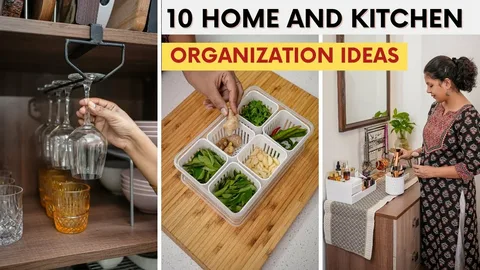
Living in Singapore presents a unique set of challenges when it comes to keeping a home tidy. With limited square footage, high humidity, and the fast-paced local lifestyle, clutter can accumulate faster than you expect. Many residents feel overwhelmed by the sheer volume of belongings that need to fit into HDB flats, condominiums, or landed properties without looking chaotic. However, achieving a well-organized home is not about having more space; it is about making smarter choices with the space you already have. The most effective home organization tips Singapore experts recommend focus on vertical storage, humidity control, and creating systems that work with your daily habits rather than against them. When you apply the right strategies, you can transform even a small apartment into a serene, functional sanctuary that supports relaxation and productivity. The key is to start small, stay consistent, and prioritize what genuinely adds value to your life.
Many people mistakenly believe that organization is about buying expensive containers or undergoing a massive one-time purge. In reality, sustainable organization is a continuous process of evaluation and adjustment. The most successful households develop routines that take less than fifteen minutes per day to maintain order. By integrating a few powerful habits into your weekly schedule, you prevent messes from becoming overwhelming mountains. Furthermore, understanding how Singapore’s tropical climate affects your belongings is crucial. Mold, mildew, and pests thrive in humid environments, which means your storage solutions must address both visibility and protection. Whether you are organizing a kitchen, bedroom, home office, or children’s play area, the principles of accessibility and intentionality remain the same. Let us explore seven actionable strategies that will permanently change how you manage your living space.
Understanding Singapore’s Unique Space Constraints
Before diving into specific tactics, it is important to acknowledge the reality of local housing. The majority of Singaporeans live in HDB flats, where the average size ranges from 700 to 1,200 square feet for a four-room unit. Compared to suburban homes in other countries, every inch must work twice as hard. This constraint forces creativity. For example, a typical living room often doubles as a dining area and a workspace for children doing homework. Without proper systems, surfaces become dumping grounds for mail, keys, toys, and gadgets. One of the most practical home organization tips Singapore interior designers share is to measure every corner before buying furniture or storage units. Unused vertical space above doors, under beds, and inside cabinets represents wasted potential. Additionally, many newer BTO flats come with built-in bomb shelters that can be converted into highly efficient pantries or coat closets if organized correctly. The goal is not to eliminate all possessions but to ensure every item has a designated home.
Why Small Spaces Require Smarter Systems
Small spaces demand that you think like a minimalist without necessarily becoming one. You must evaluate your daily routines and identify friction points. Where do you drop your bag when you enter? Where do you put worn-but-not-dirty clothes? Where do you store bulky items like vacuum cleaners or luggage? Answering these questions honestly reveals the gaps in your current setup. A common mistake is purchasing storage solutions before decluttering. Buying bins and baskets first only leads to organizing things you do not need to keep. Instead, empty a space completely, sort items into keep, donate, recycle, and trash piles, and then measure what remains. Only after this step should you shop for containers. Another factor unique to Singapore is the prevalence of multi-generational living. When grandparents, parents, and children share a flat, everyone has different tolerance levels for clutter. Respecting each person’s space through clear boundaries and labeled zones reduces family conflict significantly.
Decluttering Before You Organize
No amount of shelving or labeling will fix a home that holds too much stuff. Decluttering is the foundation upon which all successful home organization tips Singapore professionals teach are built. Begin with one category of items rather than one room. For instance, gather all clothing from everywhere in the house: wardrobes, dressers, laundry baskets, and even bags. Seeing the total volume of a single category is often shocking. You might discover you own twenty black t-shirts or fifteen pairs of similar sneakers. This visual evidence makes it easier to let go of duplicates. Use the four-box method: keep, maybe, donate, and discard. The “maybe” box should be sealed and dated. If you do not open it after six months, donate the entire box without looking inside. This approach removes emotional decision-making from the process.
The One-Year Rule in a Tropical Climate
Singapore’s weather plays a significant role in decluttering decisions. If you have not worn a piece of clothing during an entire year that includes both rainy monsoon seasons and dry, hot spells, you are unlikely to ever wear it. The same logic applies to seasonal items like jackets or scarves, which see little use locally. However, there is an exception for sentimental keepsakes or formal wear needed for occasional weddings. Limit these to one clearly labeled box per family member. Another powerful technique is the reverse hanger trick. Turn all hangers backwards at the start of the year. Once you wear an item, hang it back correctly. After twelve months, any hanger still facing backwards indicates an unused garment that should leave your home. This system removes guilt and guesswork. For children’s toys, rotate rather than hoard. Store half the toys away and swap them every few months. This keeps play areas fresh and reduces the total number of items in circulation at any given time.
Maximizing Vertical Storage in HDBs and Condos
Floor space in Singapore comes at a premium, but walls are often underutilized. Vertical storage is one of the most transformative home organization tips Singapore homeowners wish they had implemented sooner. Floor-to-ceiling shelving units can turn a narrow hallway into a library or pantry. In kitchens, mount magnetic strips for knives and spice racks on the inside of cabinet doors. In bathrooms, use tension rods under the sink to hang spray bottles. Over-the-door organizers are excellent for shoes, cleaning supplies, or toiletries. The key is to keep frequently used items at eye level and rarely used items high up or low down. For safety reasons, avoid storing heavy objects on top shelves, especially in homes with young children or elderly residents.
Creative Solutions for Odd Corners
Many Singapore flats have awkward structural features like support pillars, recessed areas, or sloping ceilings. These odd corners become clutter magnets if left unaddressed. Instead, customize them. A recessed nook next to the main door can hold a slim shoe cabinet with a built-in seat. The area under a staircase, if you live in a landed property or a maisonette, can be converted into pull-out drawers or a small home office. Corner cabinets in kitchens benefit from lazy Susans or pull-out racks that eliminate dead space. Even the gap between your refrigerator and the wall can hold a narrow rolling cart for oils, spices, or water bottles. Professional organizers often use modular systems that adapt to unusual dimensions. Measure twice and purchase adjustable solutions whenever possible. Remember that renting homes also allows for non-permanent vertical storage like freestanding shelving units that do not damage walls.
Humidity-Proof Organization for Long-Term Storage
One of the most overlooked aspects of home organization tips Singapore residents need is moisture control. High humidity destroys paper, leather, electronics, and fabrics. Without proper precautions, your beautifully organized store room becomes a breeding ground for mold and mildew. Invest in rechargeable dehumidifiers for wardrobes and cabinets. Silica gel packets, which you can buy in bulk, work well inside shoeboxes and handbags. For larger spaces like storerooms or bomb shelters, consider a portable electric dehumidifier that drains continuously. Vacuum-sealed bags are excellent for off-season clothing and bedding because they remove air and prevent moisture infiltration. Avoid storing anything directly against external walls, as condensation commonly forms there. Leave a small air gap behind all boxes and furniture to allow circulation.
Best Containers for Singapore’s Climate
Not all storage containers perform equally in tropical conditions. Clear, airtight plastic bins with locking lids are superior to cardboard boxes, which attract silverfish and cockroaches. Choose BPA-free polypropylene bins that stack neatly. Label each bin on the front and top using a label maker or masking tape with permanent marker. Avoid fabric storage cubes for long-term use, as they absorb ambient humidity. For items you access daily, open baskets are fine, but for seasonal or infrequent items, always use sealed containers. Another pro tip is to throw a few moisture-absorbing dehumidifier boxes inside each large bin and replace them every three to four months. This small habit protects valuables like photo albums, important documents, and heirloom items. If you store shoes, stuff them with cedar shoe trees or newspaper to maintain shape and absorb excess moisture simultaneously.
Zone-Based Organization for Kitchens and Bathrooms
The most functional homes are organized by zones rather than by random placement. Zone-based organization means storing items near the location where you use them most often. For kitchens, create a coffee and tea zone with mugs, spoons, sugar, and the coffee maker all together. A cooking zone near the stove holds oils, spices, spatulas, and pots. A cleaning zone under the sink contains dish soap, sponges, and trash bags. This principle is among the most actionable home organization tips Singapore cooking enthusiasts swear by. It reduces wasted steps and prevents you from buying duplicates because you cannot find the original item. Apply the same idea to bathrooms. Keep daily skincare products in a small caddy on the counter. Store backup supplies like extra toothpaste and shampoo under the sink in a labeled bin. Hair tools go in a drawer near an electrical outlet.
The Five-Minute Reset Rule
Even the most organized homes become messy during busy weeks. The five-minute reset rule prevents chaos from spiraling out of control. Set a timer each evening for five minutes and return five items to their correct zones. You might put a phone charger back in the drawer, hang a jacket in the closet, or throw away old receipts from the coffee table. This small habit maintains the systems you have built. Involving children makes it a game. Assign each family member a zone to reset before bedtime. Over time, this routine becomes automatic. Another effective strategy is the one-in-one-out policy. Whenever you bring a new item into your home, remove an old one. This is especially important for clothing, books, toys, and kitchen gadgets. Without this rule, even the best organization systems eventually overflow because the volume of possessions grows faster than your available space.
Digital and Paper Clutter Solutions
Physical clutter often gets attention, but digital and paper clutter creates just as much mental stress. Piles of mail, bills, school notices, and warranty cards accumulate on dining tables and countertops. The first step is going paperless wherever possible. Request digital statements from banks, utilities, and insurance companies. Scan important documents like marriage certificates, property leases, and medical records into encrypted cloud storage. For paper you must keep, use a simple filing system with five to seven main categories such as home, health, finance, education, and personal. Within each category, use hanging folders labeled by year or subcategory. Go through this filing system once every quarter and shred anything outdated. For example, warranties for appliances you no longer own can be discarded. Receipts for items older than one year, unless required for taxes, can also be shredded.
Managing Digital Photos and Files
Many families struggle with thousands of unsorted photos on phones and laptops. Set aside one hour per month to delete duplicates, blurry images, and screenshots. Use a folder structure organized by year and event, such as “2024_CNY_Reunion” or “2025_School_Sports_Day.” For cloud storage, create the same structure. This makes finding specific photos quick and enjoyable rather than frustrating. Another digital home organization tip Singapore remote workers value is a clean desktop. Move all files into appropriately named folders and delete unused applications. A tidy digital environment reduces cognitive load and improves focus. For email, unsubscribe from marketing lists you no longer read. Create filters that automatically label and archive receipts, travel bookings, and social notifications. Aim to keep your inbox below fifty emails at all times. When you apply the same organizational principles to your virtual spaces, your entire life feels more manageable.
Entryway and Shoe Cabinet Optimization
The entryway is the first space you see when coming home and the last space you see when leaving. An cluttered entryway creates a stressful start and end to every day. Therefore, optimizing this high-traffic zone is one of the most impactful home organization tips Singapore interior stylists recommend. Install a slim shoe cabinet that is at least 30 centimeters deep. Many local furniture stores sell cabinets specifically designed for HDB corridors that are ventilated to prevent mold. Inside the cabinet, use tiered shoe racks to double capacity. Keep only the shoes you wear weekly in this cabinet. Store seasonal or formal shoes elsewhere. Above the shoe cabinet, mount a small tray or bowl for keys, wallets, and face masks. Add a few wall hooks for bags, hats, and umbrellas. If space allows, place a small bench or stool to put on shoes comfortably.
The Evening Unpacking Habit
One common mistake is using the entryway as a temporary drop zone that stays temporary indefinitely. Backpacks, gym bags, and grocery totes pile up on the floor. Break this cycle by implementing the evening unpacking habit. Every night before bed, spend two minutes putting away everything that entered the home that day. Hang coats on hooks, return shoes to the cabinet, and file mail. Toss junk mail directly into recycling. Wash reusable grocery bags and hang them to dry. This simple practice ensures every morning starts with a clear, inviting entryway. For families with children, assign each child a low hook and a small basket. They become responsible for their own bags and shoes. Teaching this responsibility early creates lifelong organizational skills. Additionally, keep a small donation box inside the entry closet. Whenever you try on a pair of shoes that no longer fits or feels uncomfortable, place them directly into the donation box. Once the box fills, drop it off at a nearby donation bin.
Bedroom and Wardrobe Systems
Bedrooms should promote rest, not stress. However, overflowing wardrobes and cluttered nightstands disrupt sleep quality. One of the most transformative home organization tips Singapore residents can apply is the concept of a capsule wardrobe, even if you do not fully commit to minimalism. A capsule wardrobe means keeping only clothes that fit well, feel good, and coordinate with at least three other items. Store off-season clothing in vacuum-sealed bags under the bed. Inside the wardrobe, use uniform hangers to create visual calm. Organize clothes by type and then by color: all shirts together, then all pants, then all dresses. Fold heavy items like jeans and sweaters using the KonMari folding method so they stand upright in drawers. This method allows you to see every item at a glance and prevents the buried-shirt syndrome.
Nightstand and Under-Bed Storage
Keep only three to five items on your nightstand: a lamp, an alarm clock, a book, and perhaps a glass of water and hand cream. Use the drawer for items needed during the night, such as tissues, lip balm, or a notebook. Avoid storing pills or electronics that emit light. For under-bed storage, choose low-profile bins on wheels. Use these for extra bedding, travel accessories, or sentimental keepsakes. Never store food or anything perishable under the bed because dust and humidity accumulate there. If your bed frame does not allow under-bed clearance, consider risers that lift the bed by four to six inches. This small change opens substantial storage volume. Another expert tip is to use the back of your bedroom door for an over-the-door jewelry organizer or a slim rack for belts and scarves. Every vertical surface is an opportunity when floor space is limited.
Maintaining an Organized Home Long-Term
Organization is not a one-time project; it is a lifestyle. The most successful people schedule a fifteen-minute weekly tidy session and a half-day seasonal deep reset. During the weekly session, return wandering items to their zones, wipe down surfaces, and take out trash and recycling. During the seasonal reset, tackle one category or room in depth. For example, spring quarter focuses on clothing, summer on kitchen gadgets, autumn on documents, and winter on holiday decorations. This rotation prevents burnout because you never have to do everything at once. Additionally, adopt a strict shopping policy. Before buying any new item for your home, ask three questions: Where will this live? Do I already own something similar? Is this worth the mental maintenance cost? Many purchases end up as clutter because they lack a designated home from day one.
Celebrating Small Wins and Adjusting Systems
No system works perfectly for everyone. What works for your neighbor may fail for you because your habits differ. Therefore, regularly evaluate your organization systems. If you find yourself repeatedly piling items on a particular surface, that surface needs a proper storage solution. If you avoid opening a certain drawer because it is too tight, reconfigure the layout. Buy drawer dividers, shelf risers, and lazy Susans to fine-tune problem areas. Celebrate small wins like keeping the kitchen counter clear for an entire week. Positive reinforcement makes organizing feel rewarding rather than punishing. Finally, involve your entire household. Hold a five-minute family meeting every Sunday evening to review what worked and what did not. Assign one small improvement for the coming week. Over several months, these small improvements compound into a home that feels effortlessly organized, even in the heart of Singapore.
Frequently Asked Questions
How do I start organizing my home in Singapore when I feel completely overwhelmed?
Begin with one drawer, not a whole room. Choose a small, low-stakes area such as a bathroom drawer or a kitchen junk drawer. Empty it completely, wipe it down, and only put back items you have used in the past month. Discard anything expired, broken, or duplicate. Once that drawer feels good, move to a shelf or a cabinet. This small success builds momentum. Remember that organization is a marathon, not a sprint. Aim for progress, not perfection. Additionally, schedule thirty minutes on a weekend morning when your energy is highest. Turn on music and set a timer. When the timer rings, stop and admire your work. Over several weekends, you will see significant change without burnout.
What are the best storage solutions for humid Singapore weather without spending too much money?
Budget-friendly humidity control starts with proper airflow. Leave cabinet doors slightly ajar for a few hours each week. Use affordable rechargeable dehumidifiers that plug into a wall outlet to dry out. For wardrobes, inexpensive hanging moisture absorbers from neighborhood stores work well. Instead of expensive airtight containers, use food-grade plastic buckets with tight lids from baking supply shops. Line cardboard boxes with plastic garbage bags as a temporary measure. Also, a simple ceiling fan or standing fan circulating air in a storeroom reduces mold growth significantly. Remember that the least expensive solution is owning less. Reducing the total number of items in a space automatically improves air circulation and reduces humidity problems.
How often should I declutter my home to maintain organization?
A light decluttering session every two weeks takes fifteen minutes. A deeper decluttering by category happens every three months. However, the most effective approach is continuous decluttering. Each time you bring something new into your home, remove one old item. Whenever you notice a drawer becoming difficult to close, spend five minutes editing it. After every birthday or holiday season, donate unwanted gifts before storing them. For families with young children, declutter toys before every birthday and major gift-giving holiday. For adults, declutter your wardrobe at the change of each season, even though seasons are less distinct in Singapore. Use the change in weather patterns, such as the northeast monsoon or southwest monsoon, as natural reminders to rotate and refresh your storage.
Can I organize my home while living with family members who are naturally messy?
Yes, but you must create systems that accommodate their habits rather than fighting against them. Put open bins in the areas where they naturally drop items. For example, place a large basket by the sofa for blankets and remote controls. Install a key hook right next to the main door at their eye level. Use labels with pictures for children or elderly family members. Never reorganize someone else’s personal spaces without their consent. Instead, agree on shared zones like the living room and kitchen. For private bedrooms, close the door if the mess bothers you. You also can negotiate a simple rule: common surfaces must be cleared before bedtime. This single rule, consistently enforced with kindness, makes a massive difference. Lead by example rather than lecturing.
What are the most common mistakes people make with home organization tips in Singapore?
The biggest mistake is buying organization products before decluttering. Bins and baskets only organize clutter; they do not eliminate it. The second mistake is organizing room by room rather than category by category. When you organize room by room, items migrate. For instance, you might find books in the bedroom, living room, and bathroom. Gather all books first, then decide what to keep. The third mistake is storing items in places that are inconvenient. If you have to move three things to reach your rice cooker, you will stop putting it away. The fourth mistake is ignoring vertical space. The fifth mistake is keeping items “just in case” for more than a year. Singapore’s efficient shopping means you can replace most items within an hour. Release the fear and let go. Finally, the sixth mistake is trying to copy Western organization systems without adapting for humidity, smaller rooms, and multi-generational living. Always localize your approach.
How do I organize a bomb shelter or store room effectively?
First, remove everything and clean the space thoroughly, including running a dehumidifier for twenty-four hours. Install simple wire shelving units that allow air circulation. Do not place cardboard boxes directly on the floor. Use clear plastic bins with tight lids and label every bin on two sides. Group bins by category: holiday decorations, luggage, sports equipment, bulk household supplies. Leave a walking path to access the back. Place the heaviest bins on the bottom shelves. Store items you access monthly at waist level and items you access yearly at the top or bottom. Install an LED motion-sensor light because bomb shelters often lack windows. Finally, create an inventory list on your phone noting what each bin contains. Update this list whenever you remove or add items. A well-organized bomb shelter becomes a valuable asset rather than a black hole of forgotten clutter.
What are the best home organization tips for families with young children in Singapore?
Prioritize accessibility and safety. Store heavy items low and fragile items high. Use clear, shallow bins for toys so children can see what is inside. Label bins with pictures of the contents, such as a photo of blocks on the blocks bin. Rotate toys every two weeks to maintain interest without overwhelming the space. Install safety locks on cabinets containing cleaning supplies or medicines. Create a dedicated homework station with labeled drawers for art supplies. Teach children the cleanup song and make tidying up a five-minute game before every meal and before bedtime. Keep a low coat rack and shoe rack so even toddlers can hang their own belongings. Most importantly, model organized behavior yourself. Children learn more from what you do than from what you say. Praise effort rather than perfection to build positive associations with organization.






Leave a Reply