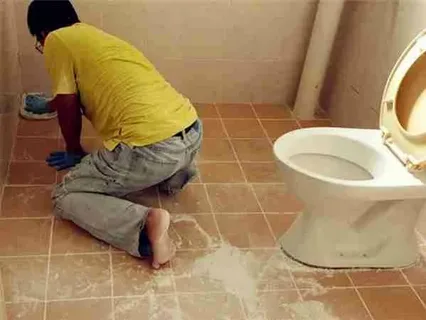
Bathroom water damage in Singapore is one of the most persistent and frustrating issues homeowners face in HDB flats, condominiums, and landed properties. The combination of high humidity, frequent rainfall, and the dense living environment creates a perfect storm for leaks, seepage, and structural deterioration. Many residents notice the first signs only when yellowish water stains appear on their living room ceiling or when a musty odor begins to emanate from behind a cabinet. Understanding the root causes of bathroom water damage in Singapore is not just about maintaining appearances; it is about protecting your property’s structural integrity, your family’s health, and your financial investment. Left unaddressed, even a small leak can escalate into mold growth, timber rot, and electrical hazards. This article explores seven proven strategies to identify, repair, and prevent bathroom water damage effectively, ensuring your home remains safe and dry.
Understanding the Unique Challenges of Bathroom Water Damage in Singapore
Singapore’s tropical climate means bathrooms are constantly exposed to moisture, whether through daily showers, basin splashes, or the high humidity that permeates the air. Unlike temperate countries where bathrooms dry out naturally between uses, Singaporean bathrooms often stay damp for hours, accelerating the wear and tear of sealants, grout, and waterproofing membranes. Furthermore, the majority of Singaporeans live in high-rise HDB flats where a single leak can affect multiple floors. Ceiling leaks from upstairs bathrooms are a common source of neighbor disputes, and resolving them requires both technical expertise and patience. Condo dwellers face additional layers of complexity due to management corporation guidelines and restrictions on renovation works. Landed property owners, while having more control, must contend with soil movement and aging pipework. Recognizing these unique challenges is the first step toward implementing effective solutions that last.
Why Standard DIY Methods Often Fail
Many homeowners attempt to fix bathroom water damage using quick fixes like applying silicone sealant over cracks or using waterproof paint on wet walls. While these methods might provide temporary relief, they rarely address the underlying problem. Water is a persistent agent; it will find the weakest point in your bathroom’s defenses. If the waterproofing membrane beneath your floor tiles has failed, no amount of surface sealant will stop the water from migrating sideways or downward. Similarly, hairline cracks in grout lines may seem insignificant, but over time, they allow enough moisture to penetrate and cause efflorescence—a white, powdery deposit that indicates salt and moisture migration. Professional assessments often reveal that what appears as a small stain is actually the symptom of a much larger hidden issue. Therefore, understanding why standard DIY attempts fail empowers you to invest in solutions that genuinely work for bathroom water damage in Singapore.
1. Conducting a Thorough Leak Detection Assessment
Before any repair work begins, accurately identifying the source of bathroom water damage is critical. Water travels in unpredictable ways: a leak from a shower drain might appear on a ceiling two meters away from the actual source. Professional leak detection services in Singapore use advanced tools such as thermal imaging cameras and moisture meters to map out the extent of the damage without destructive testing. Thermal cameras detect temperature differences caused by evaporating water, revealing hidden damp patches behind tiles or under floors. Moisture meters provide quantitative data on how saturated a material is, helping to determine whether the damage is recent or long-term. You can also perform a simple dye test by adding colored food dye to your toilet bowl or basin overflow and observing whether the color reappears in a downstairs ceiling stain. Another common method is the bucket test, where you seal the floor trap and fill the bathroom floor with water to monitor for level drops that indicate leaks. Accurate diagnosis prevents unnecessary demolition and focuses repairs only on affected areas, saving both time and money.
Common Hidden Leak Points in Singapore Bathrooms
Experienced contractors dealing with bathroom water damage in Singapore often point to specific hidden leak points that escape untrained eyes. The first is the floor trap (waste outlet) seal; many HDB bathrooms have poor sealing around floor traps, allowing water from the waterproofing membrane’s weep holes to escape sideways. The second is the shower area curb or glass panel channel; if not properly sealed, water runs behind the panels and accumulates under tiles. The third is pipe joints behind tiled walls, especially for concealed mixer valves and showerheads. Over time, vibration and thermal expansion loosen these connections. The fourth is the toilet bowl wax ring or rubber gasket, which can degrade after ten to fifteen years, allowing seepage with every flush. Lastly, balcony-to-bathroom transitions where sliding doors meet floors often lack adequate waterproofing, enabling rainwater to enter during monsoon surges. Knowing these points helps you ask better questions when hiring a waterproofing specialist.
2. Applying High-Quality Waterproofing Membranes
The gold standard for preventing bathroom water damage in Singapore is a professional-grade waterproofing membrane applied beneath the tile bed. In new construction, this membrane is laid over the concrete screed before tiling. For repair works, contractors typically remove existing tiles, patch the concrete base, and apply a liquid membrane or sheet membrane. Liquid-applied membranes, such as polyurethane or acrylic-based coatings, are popular for their seamless finish and ability to bridge hairline cracks. Sheet membranes, made from polyethylene or bitumen, offer excellent tensile strength but require careful lapping at joints. Regardless of the type, the key to success lies in proper surface preparation: the concrete must be clean, dry, and free of dust or oils. Two to three coats are recommended, with each coat allowed to cure fully before the next application. The membrane must also extend up the walls to a minimum height of 300mm from the finished floor level, with additional height in shower areas (up to 1800mm). Tanking corners and pipe penetrations with additional reinforcement is mandatory, as these are the most vulnerable zones. Investing in a professional waterproofing membrane adds decades to your bathroom’s lifespan.
Why HDB and Condo Requirements Differ
When planning repairs for bathroom water damage in Singapore, you must comply with different regulations depending on your property type. HDB flat owners are required to engage HDB-licensed contractors for any waterproofing works that affect the floor structure, and noise control regulations restrict heavy demolition to specific hours. Condo owners, governed by MCST by-laws, often need to submit renovation plans and provide insurance certificates before work begins. Additionally, condos may have shared riser shafts and common drainage stacks that require coordination with building management. Landed properties have more flexibility but must adhere to PUB guidelines regarding water conservation and proper drainage. Understanding these regulatory nuances prevents project delays and fines. For example, in an HDB flat, you cannot simply replace the waterproofing membrane without also checking the condition of the underlying screed and reinforcement bars, as corrosion can compromise structural safety. A reputable contractor will handle all necessary permits and notifications to your neighbors, which is especially important when working on upper-floor bathrooms that affect lower units.
3. Sealing Grout Lines and Tile Surfaces
Many homeowners assume that ceramic or porcelain tiles themselves are waterproof, which is true to an extent. However, the grout lines between tiles are highly porous and act as capillary channels for water to reach the layers below. Over time, standard cementitious grout absorbs moisture, leading to discoloration, mold growth, and eventual breakdown. A highly effective yet often overlooked solution for bathroom water damage in Singapore is sealing all grout lines with a penetrating sealer. Unlike surface sealers that form a film, penetrating sealers chemically bond with the grout to repel water while allowing vapor to escape. This is crucial because trapped moisture behind tiles can cause efflorescence and tile tenting (where tiles pop up due to hydraulic pressure). For maximum protection, apply sealer every twelve to eighteen months, especially in high-traffic wet areas like shower floors and bathroom entrances. Epoxy grout is an even better long-term solution, as it is completely non-porous and stain-resistant. However, epoxy grout is more expensive and requires professional installation because it sets quickly and is less forgiving than cement grout. Combining sealed grout with a good waterproofing membrane creates a dual-defense system against bathroom water damage.
The Role of Silicone Sealant in Movement Joints
Movement joints—where walls meet floors, where tiles meet bathtubs, and around door frames—require flexible sealants, not rigid grout. This is where bathroom water damage in Singapore frequently begins because buildings naturally settle and expand with temperature changes. Silicone sealant with fungicide additives is the ideal choice for these areas, as it remains flexible for years and resists mold growth. When applying silicone, ensure the gap is clean, dry, and free of old sealant residue. Use a backer rod for deep gaps to improve adhesion and reduce the amount of sealant needed. Do not skimp on quality; cheap silicone becomes brittle within months, cracking and allowing water ingress. Professional waterproofers recommend using a sealant that specifically states compliance with Singapore’s tropical climate tests. Another critical area is the gap between the shower screen and floor channel; water often pools here and can seep underneath if not properly sealed. Reapply silicone every two to three years as part of routine bathroom maintenance. This simple act can prevent thousands of dollars in structural repairs.
4. Installing Proper Drainage and Floor Grading
Poor drainage design is a leading contributor to bathroom water damage in Singapore. Water that pools on the bathroom floor for extended periods increases hydrostatic pressure on grout lines and membrane seams, forcing water into unintended pathways. Every bathroom floor should have a consistent slope of at least 1:100 toward the floor trap. However, many older HDB flats and condos have flat spots or even reverse grading due to settlement or poor original construction. During renovation, a qualified contractor can re-screed the floor to create proper falls. Additionally, the floor trap itself must be of an adequate size and design. Traditional circular floor traps with small grates clog easily with hair and soap scum, leading to overflow. Long linear drains (also known as channel drains) are becoming popular because they capture water along an entire edge of the shower area, reducing standing water. Another innovation is the dry deck floor trap, which includes a built-in water seal to prevent sewer gases from entering while allowing rapid drainage. For bathrooms with sunken areas (common in some condo designs), ensure that the secondary drainage point below the raised floor is not blocked by construction debris. When drainage works efficiently, water spends less time on surfaces, drastically reducing the risk of bathroom water damage.
Preventing Toilet Ring Leaks and Basin Overflow
Toilets and basins are responsible for a surprising proportion of bathroom water damage in Singapore, often because the damage manifests slowly. The wax ring or rubber gasket between the toilet bowl and the floor flange degrades over time, especially in bathrooms that use harsh chemical drain cleaners. A failing gasket allows water to seep out with every flush, soaking into the subfloor without any visible water on the bathroom floor. You might notice a persistent sewage smell, loosening of the toilet base, or dark staining on the ceiling directly below. Replacing the wax ring is a relatively low-cost fix, but it requires removing the toilet and inspecting the flange for cracks. Similarly, basin overflow channels—the small hole near the rim of the sink—can leak if the internal overflow gasket deteriorates. When the basin is filled, water flows through the overflow, and if the pipe connection underneath is loose, that water drips into the cabinet, leading to mold and cabinet rot. Check these connections annually by running water into the basin while observing underneath. Using plumber’s tape on threaded joints and replacing degraded rubber washers can resolve these issues before they become major repair projects.
5. Improving Bathroom Ventilation and Humidity Control
While physical leaks are the direct cause of bathroom water damage in Singapore, inadequate ventilation accelerates deterioration dramatically. After a hot shower, bathroom surfaces become coated with condensation. Without proper extraction, this moisture lingers, being absorbed into grout, wood trim, and even paint. Over months and years, this continuous dampness leads to material fatigue, mold colonization, and the breakdown of adhesives used in tile installation. The simplest upgrade is installing a high-capacity exhaust fan rated for Singapore’s high humidity levels. Ideally, the fan should be sized to achieve at least eight air changes per hour. Many HDB bathrooms come with small, underpowered fans that are barely effective. A better solution is a fan with a humidity sensor that activates automatically when moisture levels rise. In the absence of a window, consider a door with a ventilation grille to allow air circulation. For landed properties, installing a ceiling-mounted dehumidifier that ties into the bathroom’s electrical system can keep relative humidity below 60%, which is the threshold for mold growth. Even opening the bathroom door slightly after showers and using a squeegee on walls and floors reduces moisture load. Controlling humidity is a silent but powerful ally in preventing bathroom water damage without any structural changes.
The Impact of Poor Ventilation on Health and Structures
Beyond structural concerns, poor ventilation linked to bathroom water damage in Singapore poses significant health risks. Mold spores released from damp grout, ceilings, and behind cabinets trigger allergic reactions, asthma attacks, and chronic sinusitis. The presence of mold also reduces property value, as buyers are wary of hidden water damage. In severe cases, mold can produce mycotoxins that are harmful to immunocompromised individuals. Structurally, constant high humidity causes timber door frames to swell and rot, metal fixtures to corrode, and electrical wiring insulation to degrade, creating fire hazards. The cost of installing a proper ventilation system is minor compared to the expense of treating mold-related illnesses or replacing rotted structural members. For bathrooms without existing exhaust ducts, you can install a wall-mounted fan that vents directly outside, provided you comply with HDB’s facade guidelines. Alternatively, portable dehumidifiers used for two hours after each shower can make a noticeable difference. Remember, ventilation is not a one-time fix but a daily habit that preserves your entire bathroom ecosystem.
6. Using Waterproof Wall Panels and Shower Screens
Traditional tiled walls, while aesthetically pleasing, have thousands of potential leak points at every grout line and tile edge. An emerging trend for combating bathroom water damage in Singapore is replacing tiled walls in wet areas with waterproof wall panels. These panels are typically made from PVC, solid acrylic, or fiberglass-reinforced plastic, with interlocking tongue-and-groove edges. They contain no grout lines, are completely non-porous, and can be installed directly over existing tiles, saving demolition costs. Luxury options mimic the look of marble or wood grain, offering design flexibility without the maintenance burden. For shower areas, frameless glass screens are popular, but the key is the bottom seal design. Instead of relying on silicone alone, look for screens with an integrated low-profile channel that directs water back into the shower area. For bathrooms that experience frequent water damage, consider a wet room design where the entire floor gently slopes to a central drain and walls are finished with microcement or polished concrete containing waterproofing additives. These monolithic surfaces have no joints, making them virtually leak-proof. While the upfront cost is higher, the elimination of bathroom water damage repairs for fifteen to twenty years provides excellent return on investment.
Retrofitting Solutions for Rental Properties
Not everyone owns their home; tenants in Singapore facing bathroom water damage have limited options for major renovations. However, retrofitting solutions exist that do not violate rental agreements. The first is using removable waterproof floor mats designed with raised rubber edges to contain splash water in the shower area. The second is applying temporary peel-and-stick waterproof tape over cracked grout lines (ensure it is removable without residue). The third is installing a shower curtain with a weighted hem and a splash guard to direct water away from problematic corners. Tenants should also document all existing stains and seal conditions during move-in with time-stamped photos to avoid liability for pre-existing bathroom water damage. Communication with the landlord or property agent is essential; most landlords will authorize minor repairs like re-grouting or applying fresh silicone because ignoring the problem leads to much higher costs later. For severe cases where water is leaking to the floor below, the tenant has the right to request immediate professional intervention under Singapore’s tenancy laws. Proactive tenants who report early signs of damage protect both their deposit and their living environment.
7. Scheduling Regular Professional Maintenance
The final and most important strategy for managing bathroom water damage in Singapore is preventive maintenance scheduled with a licensed waterproofing specialist. Many homeowners only call professionals after visible damage appears, but by then, water has likely been infiltrating for months. An annual maintenance visit costing between $150 to $300 SGD can include a moisture scan of walls and floors, inspection of all sealant joints, checking floor trap weep holes for blockages, and testing the slope of the floor with water. Contractors can also perform a camera inspection of drainage pipes to detect root intrusion or crack formation. For condos and landed properties, maintaining the waterproofing warranty requires documented annual inspections. Keep a log of all maintenance activities and any repairs performed, as this paperwork is invaluable when filing insurance claims or selling the property. Professional maintenance also includes cleaning and treating mold-prone areas with biocides that prevent regrowth without damaging surfaces. Think of your bathroom’s waterproofing system like your car’s engine oil: regular checks and replacement of consumable materials (silicone, sealants, grout) prevent catastrophic failure. Given Singapore’s high property prices, the relatively small cost of annual maintenance is trivial compared to the six-figure expense of a full bathroom gut renovation due to widespread water damage.
Choosing a Reliable Waterproofing Contractor in Singapore
Not all waterproofing contractors possess the same level of skill or integrity. When you need to address bathroom water damage in Singapore, selecting the right professional is crucial. Start by verifying that the contractor holds a valid HDB license if you live in a public flat. For condos, ask for proof of public liability insurance and past MCST approval letters. Read online reviews specifically looking for mentions of post-repair follow-up and warranty fulfillment. A reliable contractor will provide a detailed quotation that specifies the type of waterproofing membrane (brand and model), the number of coats, the dry time, and the warranty period (typically three to five years for membranes). They should also offer a pre-work inspection to identify any structural issues that could compromise the new waterproofing, such as cracked concrete slabs or corroded rebar. Be wary of contractors who recommend only surface sealants for what is clearly a membrane failure. Ask to see a portfolio of past bathroom waterproofing projects in similar property types. Finally, a good contractor will educate you on how to maintain the bathroom after repairs—such as avoiding harsh drain cleaners that degrade seals and not drilling into tiled walls without consulting them first. Investing time in vetting your contractor pays off in decades of dry, safe bathrooms.
Frequently Asked Questions About Bathroom Water Damage in Singapore
How much does it typically cost to repair bathroom water damage in Singapore?
The cost varies widely depending on the extent of the damage and the required repair method. For minor issues like replacing grout and silicone sealant, you might spend between $200 and $500 SGD. If the waterproofing membrane needs full replacement, including tile removal and reinstallation, costs range from $2,500 to $5,500 SGD for an average HDB bathroom. For condos with larger floor areas or luxury finishes, the price can reach $8,000 to $12,000 SGD. Additional costs may include mold remediation, timber replacement, and repainting of ceilings in the unit below. Always obtain at least three itemized quotations and compare warranties. Emergency call-out fees for severe leaks that require immediate containment usually add $150 to $300 SGD. Remember that delaying repairs increases costs exponentially, as water damage spreads to adjacent rooms.
Can I claim insurance for bathroom water damage in my Singapore home?
Yes, but coverage depends on your specific policy. Most standard home insurance plans in Singapore cover damage caused by burst pipes or accidental overflow, but they typically exclude gradual water damage resulting from lack of maintenance or wear and tear. For example, if your shower grout cracked slowly over years and water seeped into the floor, the insurer may deny the claim. However, if a pipe suddenly bursts due to a manufacturing defect, that is usually covered. For HDB flat owners, the HDB Fire Insurance Scheme covers only structural damage and common areas, not internal finishes or contents. Condo owners should check their MCST’s master policy, which often covers the original structure but not renovations done by the owner. To maximize your chances of a successful claim, keep maintenance records and photographs. Some insurers offer specific “water damage” riders that include bathroom waterproofing membrane failure. It is wise to review your policy annually and ask your agent about adding such coverage if you live in an older building.
How can I tell if bathroom water damage is coming from my unit or upstairs?
This is a common dilemma for Singaporean flat dwellers. A simple way to differentiate is the timing of the dampness. If the stain on your ceiling grows larger after you shower, the leak likely originates in your own bathroom walls or floor. If it appears or worsens when your upstairs neighbor showers, the source is above. You can also dry the ceiling area thoroughly, then tape a piece of clear plastic sheeting to it for 24 hours. If the underside of the plastic becomes wet, moisture is rising from within your ceiling (likely an upstairs leak). If the plastic remains dry but the ceiling surface feels damp, the moisture is coming from your own bathroom humidity. Another test involves turning off all water in your unit and checking the water meter; if it still moves, there is a hidden leak in your pipes. For definitive diagnosis, engage a contractor with a thermal camera who can scan both your ceiling and the upstairs neighbor’s floor concurrently. Communication with neighbors is essential; most are cooperative when presented with clear evidence.
What are the health risks of ignoring bathroom water damage?
Ignoring bathroom water damage in Singapore directly impacts respiratory health. Mold and mildew that thrive in damp bathrooms release airborne spores that can cause chronic coughing, wheezing, nasal congestion, and throat irritation. People with pre-existing conditions like asthma or eczema experience more frequent and severe flare-ups. Prolonged exposure to certain molds, such as Stachybotrys chartarum (black mold), has been linked to more serious symptoms including fatigue, headaches, and even neurological issues in sensitive individuals. Children and elderly family members are especially vulnerable. Beyond respiratory effects, damp conditions attract dust mites and cockroaches, which are additional allergens. Structurally, moisture can cause electrical short circuits in bathroom lighting and water heaters, posing shock and fire hazards. From a mental health perspective, living with constant musty odors and visible stains increases stress and reduces the enjoyment of your home. Therefore, addressing bathroom water damage is not just a financial decision but a health imperative.
How long does a professional bathroom waterproofing job last in Singapore?
When done correctly with high-quality materials and proper surface preparation, a professional waterproofing membrane in a bathroom can last 10 to 15 years. However, this lifespan is reduced if the bathroom is subjected to harsh chemical cleaners, physical damage from dropped items, or if the building experiences significant structural movement. For HDB flats built in the 1980s and 1990s, original waterproofing often fails after 20+ years simply due to material aging. The best modern liquid membranes with polyurethane technology can extend life to 20 years in ideal conditions. The key variable is the quality of workmanship: membranes must be applied evenly, at the correct thickness, and allowed to fully cure. Corners and pipe penetrations require special fabric reinforcement. Reputable contractors offer warranties ranging from 3 to 5 years, but this covers only workmanship, not normal wear and tear. To maximize lifespan, avoid abrasive drain cleaning snakes that can puncture the membrane through the tile bed, and reapply grout sealer every two years. Annual professional inspections will catch small issues before they compromise the entire system.







Leave a Reply