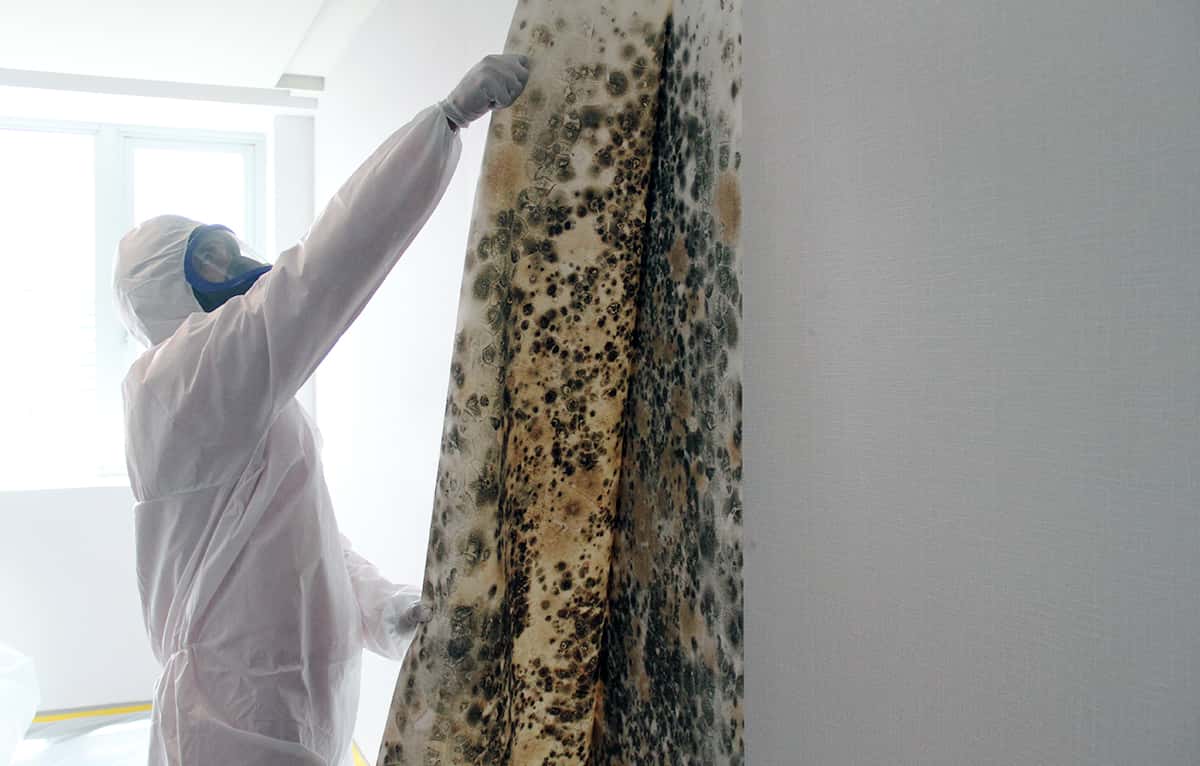
Singapore’s tropical climate creates a unique challenge for homeowners, tenants, and property managers. High humidity levels, frequent rain, and warm temperatures form the perfect environment for mold growth inside buildings. This is why mold prevention Singapore has become an essential part of modern home maintenance. Mold does not only damage walls, ceilings, and furniture, but it also affects indoor air quality and can lead to long-term health concerns such as allergies and respiratory irritation.
Many residents only notice mold when dark patches appear on walls or ceilings, but by then, the problem has already spread internally. Moisture often builds up behind furniture, inside air-conditioning systems, and in poorly ventilated bathrooms. Without proper control, mold can return even after cleaning. This is why consistent prevention methods are far more effective than repeated cleaning.
Effective mold prevention Singapore strategies are not just about surface cleaning; they involve controlling humidity, improving airflow, and managing hidden moisture sources. Whether you live in an HDB flat, condominium, or landed property, the same environmental conditions apply. Buildings in Singapore are often sealed tightly for energy efficiency, but this can trap moisture indoors if ventilation is insufficient.
Understanding how mold forms is the first step toward prevention. Mold spores exist naturally in the air, but they grow rapidly when they land on damp surfaces. Areas with constant moisture, such as bathrooms, kitchens, and air-conditioning units, become hotspots for growth. Once established, mold spreads quickly through invisible spores, making it difficult to eliminate completely without addressing the root cause.
In this article, we explore practical, long-term methods for mold prevention Singapore, including humidity control, cleaning habits, airflow improvement, and maintenance routines. These strategies help protect both your property and your health, ensuring a cleaner and safer indoor environment throughout the year.
Understanding Mold Growth in Singapore’s Climate
One of the main reasons mold prevention Singapore is so important is the country’s consistently humid weather. Relative humidity often remains above 80%, which creates ideal conditions for mold to grow. Unlike colder countries where mold is seasonal, Singapore faces this issue all year round.
Mold thrives when three conditions are present: moisture, organic material, and poor ventilation. In homes, organic materials include wood, fabric, paper, and even dust. When these materials remain damp for long periods, mold spores begin to grow and spread. This is why bathrooms, kitchens, and storage rooms are common problem areas.
Another key factor is condensation. When warm air meets cold surfaces such as air-conditioned walls or windows, water droplets form. Over time, this moisture leads to hidden mold growth behind furniture or inside walls. Many homeowners overlook these areas until visible damage appears.
Proper mold prevention Singapore requires identifying these risk zones early. Regular inspection of walls, ceilings, and hidden corners helps detect moisture buildup before it becomes severe. Understanding environmental triggers is the foundation of effective prevention.
Controlling Indoor Humidity for Long-Term Protection
Humidity control is one of the most important aspects of mold prevention Singapore. Without managing moisture levels, mold will continue to return even after cleaning. The ideal indoor humidity level should remain between 40% and 60%.
Using dehumidifiers is one of the most effective methods to reduce excess moisture in enclosed spaces. These devices extract water from the air, preventing condensation on surfaces. Air conditioners also help regulate humidity, but they must be cleaned regularly to avoid becoming mold sources themselves.
Ventilation plays an equally important role. Opening windows when weather permits allows fresh air to circulate, reducing trapped moisture. Exhaust fans in kitchens and bathrooms help remove steam and damp air quickly after cooking or showering.
Cluttered spaces can also trap humidity. Keeping furniture slightly away from walls allows air to circulate properly. This small adjustment significantly improves airflow and reduces hidden dampness.
Effective mold prevention Singapore is not just about equipment—it is about consistent daily habits that keep moisture under control throughout the year.
Cleaning Practices That Prevent Mold Regrowth
Regular cleaning is essential, but it must be done correctly to support mold prevention Singapore efforts. Simply wiping visible mold is not enough because spores can remain beneath surfaces and grow again.
Bathrooms require special attention since they are constantly exposed to water. Tiles, grout lines, and corners should be cleaned frequently using anti-fungal solutions. Keeping surfaces dry after use is one of the simplest yet most effective prevention habits.
Air-conditioning units are another hidden source of mold. Dust and moisture inside filters can create ideal breeding conditions. Regular servicing ensures that cool air remains clean and free from contamination.
Kitchen areas should also be monitored carefully. Steam from cooking increases humidity, especially in closed kitchens. Using exhaust fans and wiping down wet surfaces immediately reduces mold risks.
A consistent cleaning schedule supports long-term mold prevention Singapore by eliminating spores before they spread. Prevention is always easier and more cost-effective than removal.
Improving Airflow and Ventilation Systems
Proper airflow is a key element of mold prevention Singapore, especially in modern apartments where windows may remain closed for long periods. Without airflow, moisture becomes trapped indoors, increasing the likelihood of mold formation.
Cross ventilation, where air flows through multiple openings, helps reduce humidity naturally. Even small adjustments like opening opposite windows for short periods can make a difference.
Ceiling fans and portable fans also help circulate air in stagnant rooms. This prevents moisture from settling on surfaces and reduces condensation buildup.
In buildings with mechanical ventilation systems, regular maintenance is essential. Filters should be cleaned or replaced to ensure efficient airflow. Poorly maintained systems can circulate spores instead of removing them.
Good ventilation supports overall indoor air quality and strengthens long-term mold prevention Singapore efforts by ensuring that moisture does not accumulate in hidden spaces.
Identifying Early Signs of Mold Problems
Early detection is critical for effective mold prevention Singapore. Mold often starts in hidden areas before becoming visible. Common early signs include musty odors, slight discoloration on walls, and peeling paint.
Ceiling corners, behind wardrobes, and under sinks are common areas where mold begins to develop. Checking these locations regularly helps prevent major infestations.
Another warning sign is increased allergy symptoms such as sneezing or irritated eyes when indoors. This may indicate hidden mold spores in the environment.
Addressing these signs immediately prevents further spread and reduces the need for extensive repairs. Early action is one of the most effective strategies in mold prevention Singapore practices.
Common Mistakes That Increase Mold Growth
Many homeowners unknowingly create conditions that encourage mold growth. One common mistake is ignoring small water leaks. Even minor leaks behind walls or under sinks can lead to serious mold issues over time.
Another mistake is over-reliance on air conditioning without cleaning the system. Dirty filters and drainage lines can become mold sources themselves.
Placing furniture directly against walls also restricts airflow, trapping moisture and encouraging mold formation. Simple spacing adjustments can significantly reduce this risk.
Some people also delay cleaning visible mold, thinking it is only a cosmetic issue. In reality, delayed action allows spores to spread further, making the problem harder to control.
Avoiding these mistakes is essential for successful mold prevention Singapore and maintaining a healthy indoor environment.
Health Risks Linked to Indoor Mold Exposure
Mold exposure can lead to several health issues, especially for individuals with allergies, asthma, or weakened immune systems. Prolonged exposure may cause respiratory discomfort, coughing, and skin irritation.
Children and elderly individuals are more sensitive to mold spores. Poor indoor air quality can worsen existing health conditions and reduce overall comfort at home.
This is why mold prevention Singapore is not only about property maintenance but also about health protection. Clean indoor air contributes to better sleep, improved breathing, and overall well-being.
Long-Term Strategies for Mold-Free Living
Maintaining a mold-free environment requires consistent effort. Regular inspections, humidity control, and proper ventilation should become part of routine home maintenance.
Investing in moisture-resistant materials during renovation can also help reduce long-term risks. Paints and coatings designed to resist mold growth provide additional protection.
Combining these strategies ensures that mold prevention Singapore remains effective throughout the year, even during peak humidity seasons.
FAQs on Mold Prevention Singapore
1. What causes mold in Singapore homes?
Mold is mainly caused by high humidity, poor ventilation, and moisture buildup in enclosed spaces.
2. How can I start mold prevention Singapore at home?
Begin by controlling humidity, improving airflow, and cleaning damp areas regularly.
3. Is air conditioning enough for mold prevention?
No, air conditioning helps but must be combined with proper cleaning and ventilation.
4. Why does mold keep coming back?
It often returns due to unresolved moisture sources or hidden leaks.
5. Can mold affect health?
Yes, it can cause allergies, respiratory problems, and skin irritation.
6. What rooms are most affected by mold?
Bathrooms, kitchens, and air-conditioned rooms are most vulnerable.








Leave a Reply