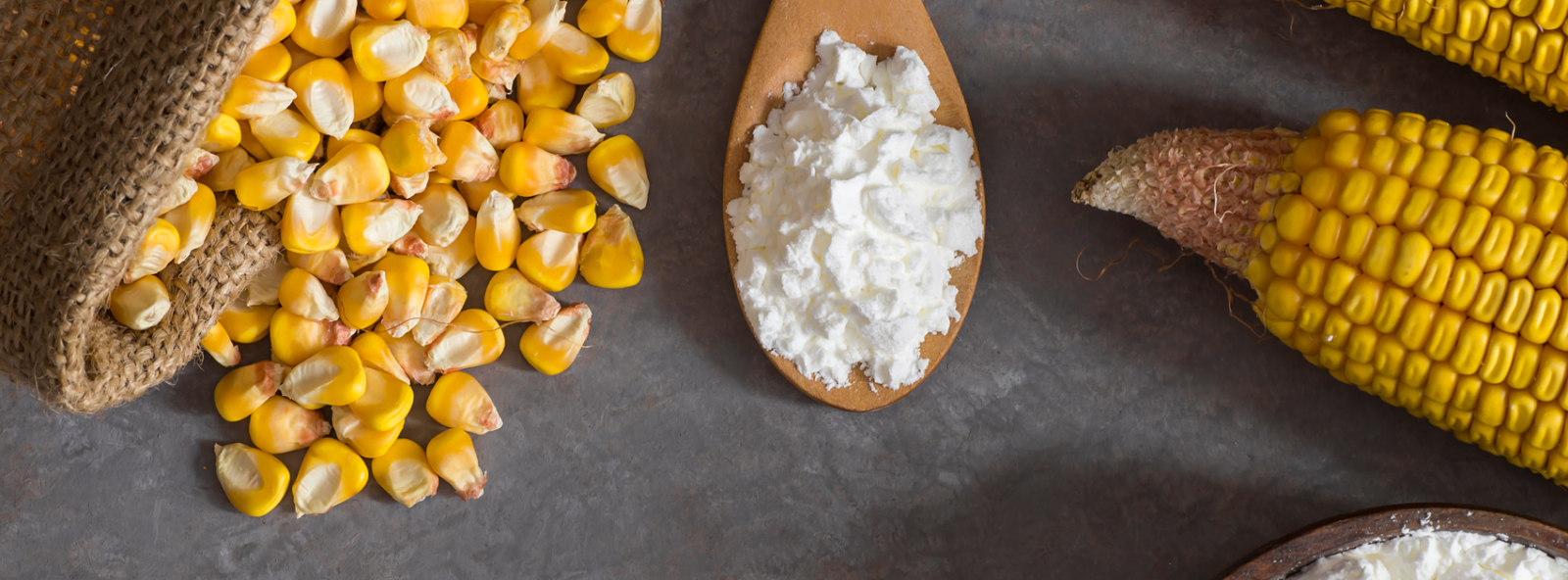
starch of maize, commonly known as corn starch, is one of the most widely used plant-derived carbohydrates in the global food and industrial economy. Extracted from the endosperm of corn kernels, it serves as a functional ingredient across food processing, pharmaceuticals, textiles, adhesives, and biodegradable materials. Its importance is not limited to nutrition; it plays a structural, stabilizing, and thickening role in thousands of commercial formulations.
At its core, maize starch is a purified carbohydrate composed mainly of amylose and amylopectin. These two polymers determine how starch behaves under heat, moisture, and enzymatic conditions. Industries rely on these properties to create texture, improve stability, and enhance product performance. From soups and sauces to paper coatings and drug capsules, maize starch silently supports modern manufacturing systems.
Global producers such as Cargill, Ingredion Incorporated, and Archer Daniels Midland (ADM) play a major role in refining and distributing starch derivatives worldwide. Their processing innovations have expanded maize starch applications far beyond traditional food use, making it a strategic raw material in multiple industries.
Understanding maize starch requires looking at its structure, extraction process, functional behavior, and industrial adaptability. Each of these aspects contributes to its dominance in both developed and emerging markets.
What is Maize Starch?
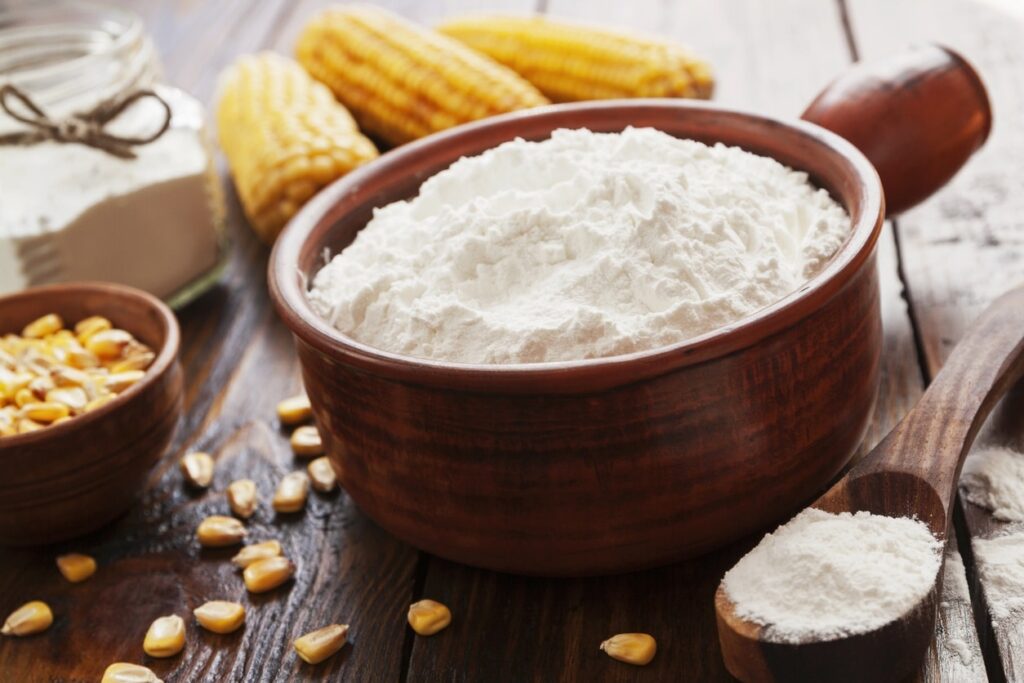
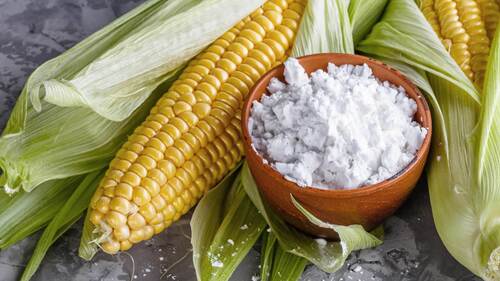
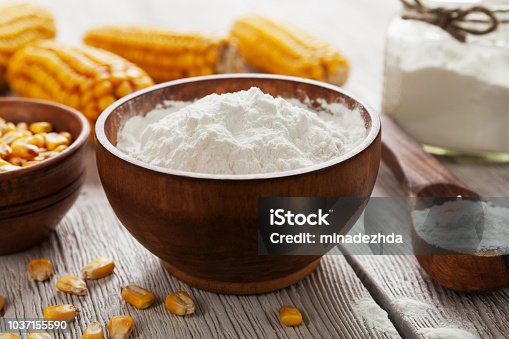
Maize starch is a fine, white, odorless powder obtained from the wet milling of corn kernels. It is primarily located in the endosperm, which contains dense carbohydrate reserves used by the plant for energy storage.
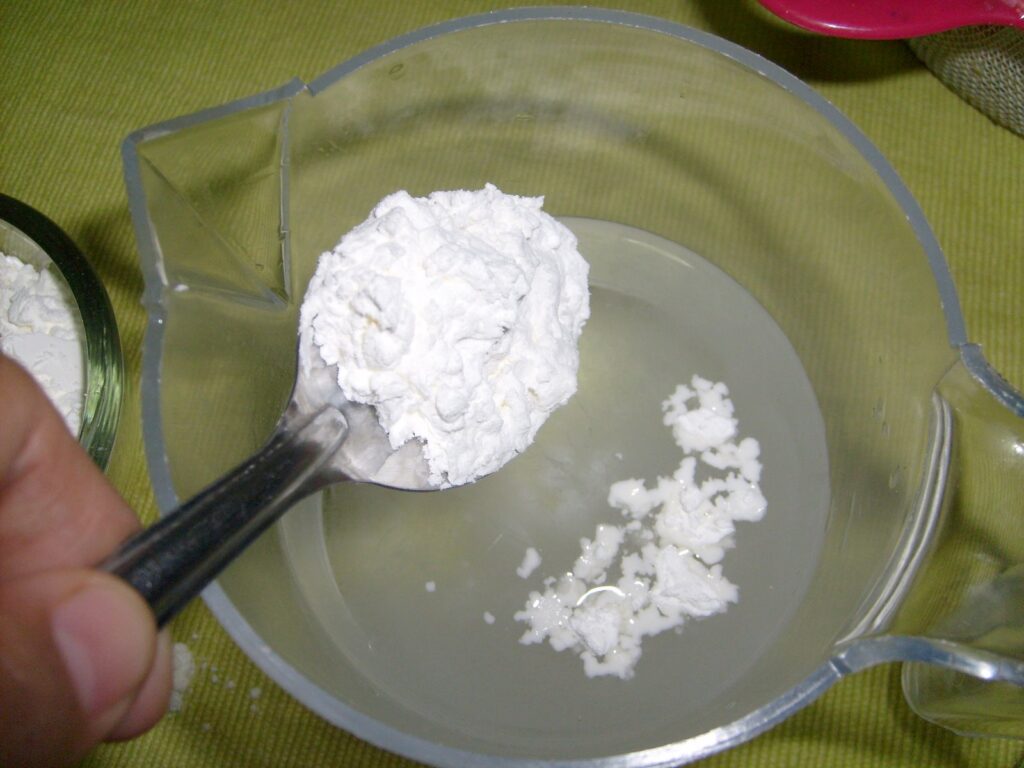
When processed, maize starch becomes a purified carbohydrate consisting almost entirely of polysaccharides. It is not soluble in cold water but forms a gel-like structure when heated with moisture. This property makes it valuable in thickening sauces, stabilizing emulsions, and improving texture in processed foods.
Beyond culinary applications, maize starch is widely used in industrial manufacturing due to its binding and film-forming capabilities. Its versatility is linked to its molecular composition and how it reacts under different environmental conditions.
Composition of Maize Starch: Amylose and Amylopectin Structure
The functional behavior of maize starch is determined by two main polymers:
Amylose
Amylose is a linear glucose polymer responsible for gel formation and firmness. Higher amylose content results in stronger gels and firmer textures. It also contributes to retrogradation, which is the process where cooked starch becomes firmer upon cooling.
Amylopectin
Amylopectin is a highly branched molecule that gives starch its viscosity and stability. It prevents excessive gel rigidity and improves smoothness in food systems.
Maize Starch=Amylose+Amylopectin
Most maize starch contains approximately 25% amylose and 75% amylopectin, although hybrid corn varieties can alter this ratio significantly. Waxy maize, for example, contains almost entirely amylopectin, making it ideal for sauces and instant foods.
Extraction Process of Maize Starch (Industrial Wet Milling)
The production of maize starch involves a structured wet milling process designed to separate starch from protein, fiber, and oil components of corn.
Step 1: Cleaning and Steeping
Corn kernels are cleaned and soaked in warm water mixed with sulfur dioxide. This softens the grain and loosens starch granules.
Step 2: Grinding
The softened kernels are coarsely ground to break the outer layers and release germ and fiber.
Step 3: Separation of Germ
The germ is separated for oil extraction, leaving starch-rich slurry.
Step 4: Fiber Removal
Fiber is filtered out through screening systems.
Step 5: Centrifugation
Starch is separated from gluten using high-speed centrifuges.
Step 6: Drying
The purified starch is dried into fine powder form.
This process ensures high purity and consistency, making maize starch suitable for food-grade and industrial applications.
Physical and Chemical Properties of Maize Starch
Maize starch exhibits several functional properties that make it valuable across industries:
- White, fine powder texture
- Insoluble in cold water
- Gel formation upon heating
- High viscosity in aqueous solutions
- Neutral taste and odor
- Thermally stable under controlled conditions
- Sensitive to enzymatic breakdown
These properties are essential for applications where texture control and stability are critical.
Types of Maize Starch
1. Native Maize Starch
Unmodified starch used in basic food and industrial applications.
2. Modified Maize Starch
Chemically or physically altered to improve stability, heat resistance, or freeze-thaw performance.
3. Pregelatinized Starch
Processed for instant solubility in cold water, commonly used in instant foods and pharmaceuticals.
Each type is designed for specific functional requirements in manufacturing systems.
Applications of Maize Starch in Food Industry
Maize starch plays a central role in food formulation:
- Thickening soups and sauces
- Stabilizing bakery fillings
- Improving texture in processed meats
- Enhancing crispness in fried foods
- Acting as anti-caking agent in powdered foods
In bakery products, starch interacts with gluten to control dough structure and moisture retention. In dairy products, it stabilizes emulsions and prevents separation.
Food manufacturers prefer maize starch due to its neutral flavor and predictable performance.
Pharmaceutical Applications of Maize Starch
In pharmaceuticals, maize starch is used as:
- Tablet binder
- Disintegrant in capsules
- Filler in drug formulations
- Stabilizer in syrups
It ensures tablets maintain structural integrity while allowing controlled disintegration in the digestive system.
Pharmaceutical companies rely on high-purity starch to meet strict regulatory standards for safety and consistency.
Industrial Uses: Paper, Textile, and Adhesives
Maize starch is widely used in non-food industries:
Paper Industry
- Improves paper strength
- Enhances coating quality
- Reduces ink absorption
Textile Industry
- Strengthens yarn during weaving
- Improves fabric finish
Adhesives
- Used in glue formulations
- Provides natural binding properties
Its biodegradability makes it an environmentally friendly alternative to synthetic chemicals.
Maize Starch in Bioplastics and Green Materials
With growing environmental concerns, maize starch is increasingly used in biodegradable plastics. It is blended with polymers to create eco-friendly packaging materials.
Advantages include:
- Reduced plastic waste
- Renewable resource base
- Lower carbon footprint
- Compostable end products
Research institutions and companies are investing heavily in starch-based biopolymers for sustainable packaging solutions.
Nutritional Aspects of Maize Starch
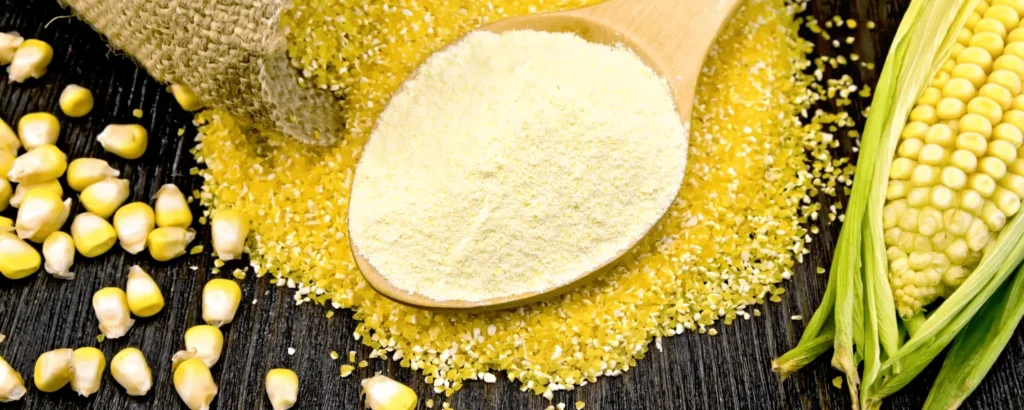
Maize starch is primarily a carbohydrate source with limited nutritional diversity. It provides:
- Energy through glucose breakdown
- Easily digestible carbohydrates
- Low fat and protein content
However, it lacks fiber, vitamins, and minerals. It is often combined with other ingredients in balanced diets.
Comparison: Maize Starch vs Other Starches
| Feature | Maize Starch | Potato Starch | Tapioca Starch |
|---|---|---|---|
| Source | Corn | Potato | Cassava |
| Texture | Smooth, firm gel | Clear, soft gel | Elastic, glossy |
| Stability | Moderate | High | High |
| Food Use | Wide | Specialized | Dessert-focused |
Maize starch is considered the most versatile due to its balanced performance characteristics.
Benefits and Limitations of Maize Starch
Benefits
- Wide industrial applicability
- Cost-effective production
- Neutral taste profile
- High availability
- Easy processing
Limitations
- Low nutritional density
- May cause rapid blood sugar spikes
- Limited cold-water solubility in native form
Storage and Safety Considerations
Maize starch should be stored in dry, cool environments to prevent moisture absorption and microbial growth. Industrial-grade starch must meet safety standards for contaminants and purity.
Proper packaging ensures long shelf life and stable performance in manufacturing systems.
Global Market and Production Landscape
The maize starch industry is driven by large-scale agricultural economies, particularly in the United States, China, and Brazil. Companies like Cargill and Ingredion Incorporated dominate global production and innovation.
Demand is increasing due to:
- Processed food growth
- Pharmaceutical expansion
- Biodegradable packaging trends
- Industrial automation needs
Future Trends in Maize Starch Industry
The future of maize starch is closely linked to sustainability and biotechnology. Key trends include:
- Genetically optimized corn varieties
- Advanced starch modification techniques
- Expansion of bioplastics
- Clean-label food ingredients
- Enzyme-based processing improvements
Research continues to focus on improving functionality while reducing environmental impact.
6. FAQ Section
What is maize starch used for?
Maize starch is used in food thickening, pharmaceuticals, adhesives, paper production, and biodegradable materials.
Is maize starch healthy?
It is safe as an energy source but has low nutritional value and should be consumed in moderation.
Is maize starch the same as corn flour?
No, corn flour contains whole kernel components, while maize starch is pure carbohydrate extracted from the endosperm.
Why is maize starch important in industry?
It provides viscosity, binding, and stabilization properties essential for manufacturing processes.
Can maize starch be replaced?
Yes, alternatives include potato starch, tapioca starch, and rice starch depending on application.








Leave a Reply