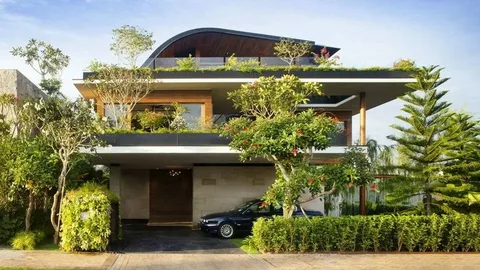
Living in a tropical city-state like Singapore means dealing with constant humidity, high energy costs, and a growing awareness of environmental impact. More homeowners are now asking whether their living spaces can work smarter, not harder. That is exactly why the concept of an eco home Singapore has moved from a niche trend to a mainstream movement. An eco home is not just about solar panels or recycling bins. It is a holistic approach to designing, building, and operating a residence that minimizes resource consumption while maximizing comfort and health. From HDB flats to landed properties, the shift toward sustainable living is accelerating. Government incentives, rising electricity tariffs, and a deeper understanding of climate change are pushing ordinary families to rethink how they live. But what does an eco home actually look like in a dense, tropical, urban environment? And more importantly, what tangible benefits can you expect when you make the switch? This article breaks down seven compelling advantages backed by real-world data and local expertise. Whether you are renovating an existing flat or building from scratch, understanding these benefits will help you make smarter decisions for your wallet, your family, and the planet.
The idea of an eco home Singapore residents can actually afford has changed dramatically over the past decade. Early green homes were often associated with expensive custom builds and high-tech gadgets that only the wealthy could access. Today, the landscape is completely different. Developers like City Developments Limited and GuocoLand have integrated green building certifications like BCA Green Mark into mass-market condominiums. Even HDB towns such as Punggol Northshore feature eco-friendly precincts with passive cooling and energy-efficient common lighting. This democratization means that you do not need a private architect to enjoy the benefits. Small changes like upgrading to inverter air conditioners, installing window films, or choosing low-VOC paints can transform a standard unit into a functional eco home. The key is understanding how tropical climate design differs from temperate green building methods. While European passive houses focus on retaining heat, a Singapore eco home focuses on expelling heat, managing humidity, and harnessing natural ventilation. This distinction is critical because many imported solutions fail in our high-rainfall, high-temperature environment. Local expertise now fills that gap, with contractors specializing in green retrofits for both private and public housing. The result is a growing ecosystem where sustainable living is no longer a sacrifice but an upgrade in every sense of the word.
H2: Slash Monthly Utility Bills with an Eco Home Singapore Design
One of the most immediate and measurable benefits of transitioning to an eco home Singapore is the dramatic reduction in monthly electricity and water bills. Air conditioning alone accounts for 40 to 60 percent of a typical household’s energy consumption in Singapore. By implementing passive cooling strategies and high-efficiency active systems, many homeowners report savings of 30 to 50 percent on their utility bills. For a family spending $200 monthly on electricity, that translates to $60 to $100 back in their pocket every month. Over a year, this adds up to more than $1,000, which is substantial for most middle-income households. But how exactly does an eco home achieve these savings without making residents feel hot or uncomfortable?
H3: Smart Cooling and Ventilation Techniques
The first step in any energy-saving eco home Singapore design is reducing reliance on mechanical cooling. Cross-ventilation is a time-tested strategy that works exceptionally well in landed properties and corner units. By positioning windows and openings to capture prevailing winds from the northeast and southwest, you can create natural airflow that lowers perceived temperature by two to three degrees Celsius. This allows you to set your air conditioner thermostat higher, typically from 22°C to 25°C, without noticing any difference in comfort. Ceiling fans further enhance this effect, using only 30 to 70 watts compared to an air conditioner’s 1,000 to 2,000 watts. For HDB flats where cross-ventilation is limited, solar-powered attic fans or ducted mechanical ventilation can draw out hot air trapped in kitchens and bathrooms.
Another powerful technique is thermal insulation, which is often overlooked in Singapore because people assume it only matters in cold climates. In reality, proper roof insulation in a terrace house or a green roof on a condominium can reduce heat gain by up to 85 percent. Reflective window films or low-emissivity glass block infrared radiation while still allowing visible light to pass through. This means your home stays cooler naturally, reducing the runtime of your air conditioning system. When you do need mechanical cooling, inverter air conditioners with high Energy Labeling grades (at least four ticks) adjust compressor speed based on demand, avoiding the wasteful start-stop cycle of non-inverter units. Many eco home Singapore retrofits also include smart thermostats that learn your schedule and adjust temperatures when you are asleep or away, shaving another 10 to 15 percent off cooling costs.
H3: Water Conservation and Solar Energy Integration
Water efficiency is another pillar of utility savings in an eco home Singapore. Low-flow faucets, dual-flush toilets, and rainwater harvesting systems can cut water consumption by 40 percent or more. For landed properties, a simple rain barrel connected to downpipes provides free water for garden irrigation and car washing. For HDB residents, using washing machine discharge water (greywater) to flush toilets is an emerging trend, though it requires professional plumbing modifications. PUB’s Water Efficient Labelling Scheme helps you identify fixtures that use as little as three liters per minute for taps. Replacing old inefficient toilets with high-efficiency models (3.5 liters per flush or less) saves thousands of liters annually.
Solar energy has become surprisingly affordable for eco home Singapore projects, especially for landed homes and penthouse units with unshaded roof space. A typical 5 kWp solar photovoltaic system costs around $10,000 to $15,000 after subsidies and can generate 6,000 to 7,000 kWh per year. Given that an average four-room HDB flat uses about 4,500 kWh annually, this system can cover 100 percent of your electricity needs. Excess energy exported to the grid under SP Group’s solar export scheme earns you credits on your bill. Even if you cannot install rooftop solar, you can subscribe to a green electricity plan from retailers like Geneco or Tuas Power, which sources renewable energy from regional solar farms. This virtual approach to an eco home Singapore brings sustainable power to apartment dwellers who lack roof access. The combination of passive design, efficient appliances, and renewable energy transforms utility bills from a fixed burden to a manageable and often minimal expense.
H2: Healthier Indoor Air Quality and Thermal Comfort
Beyond financial savings, an eco home Singapore prioritizes the health and well-being of its occupants. Indoor air quality (IAQ) is a serious concern in a densely populated, humid city where most people spend over 90 percent of their time indoors. Conventional homes accumulate dust mites, mold spores, volatile organic compounds (VOCs) from furniture, and carbon dioxide from human respiration. Poor IAQ has been linked to asthma, allergies, headaches, and even reduced cognitive performance. An eco home directly addresses these issues through material selection, ventilation design, and humidity control. The result is a living environment that feels fresher, smells cleaner, and supports better respiratory health for everyone in the family.
One of the most common mistakes in Singapore homes is sealing the space too tightly to keep heat out while forgetting to bring fresh air in. An eco home Singapore design maintains a positive pressure or balanced ventilation system that continuously exchanges stale indoor air with filtered outdoor air. Energy recovery ventilators (ERVs) are particularly effective because they transfer humidity and heat from incoming air to outgoing air, preventing the loss of cooled or dehumidified conditions. This means you get fresh air without overworking your air conditioner. Additionally, choosing low-VOC or zero-VOC paints, adhesives, and sealants during renovation eliminates the off-gassing that causes that “new home” smell, which is actually a cloud of harmful chemicals. Solid wood furniture finished with natural oils instead of synthetic varnishes further improves IAQ.
Humidity control is another hallmark of a well-designed eco home Singapore. High relative humidity above 70 percent encourages mold growth and dust mite proliferation. While standard air conditioners remove some moisture, they run intermittently, allowing humidity to spike between cycles. Integrated dehumidifiers or air conditioners with dedicated dehumidification modes maintain relative humidity between 50 and 60 percent consistently. This not only feels more comfortable but also preserves wooden floors, musical instruments, and electronics. Many homeowners report that after converting to an eco home, their family members experience fewer allergy flare-ups, less morning congestion, and better sleep quality. Children with eczema often show visible improvement because the lower humidity reduces skin irritation. These health benefits are difficult to quantify in dollars, but they translate into fewer medical visits, less medication use, and a higher overall quality of life.
H2: Higher Property Resale Value and Market Differentiation
Real estate in Singapore is among the most expensive in the world, and anything that adds perceived value to a property is worth serious consideration. An eco home Singapore commands higher resale prices and shorter listing times compared to conventional homes. This is not speculation; data from the Urban Redevelopment Authority (URA) and major property agencies like PropNex and ERA show that BCA Green Mark-certified residential properties sell for premiums ranging from 4 to 10 percent over non-certified counterparts. Buyers, particularly younger families and environmentally conscious professionals, actively search for homes with lower utility costs, healthier indoor environments, and modern sustainable features. They see an eco home as a future-proof investment that will remain comfortable and affordable even as energy prices rise and environmental regulations tighten.
When you market an eco home Singapore property, you are not just selling square footage and location. You are selling lower monthly expenses, better health, and a sense of responsibility toward the environment. Features like solar panels, energy-efficient windows, smart home energy monitors, and rainwater systems become compelling selling points that differentiate your unit from dozens of similar listings. Even HDB flat sellers can highlight green certifications like the HDB Greenprint or recent upgrades such as LED lighting, inverter appliances, and water-efficient fittings. Estate agents report that eco-friendly listings receive more viewing requests and often sell within two weeks instead of the national average of eight weeks. For investors, this means faster capital release and higher returns.
Furthermore, an eco home Singapore often qualifies for preferential loan terms or insurance discounts. Some banks, including DBS and UOB, offer green home loans with lower interest rates or cash rebates for properties that meet certain environmental standards. Similarly, insurance companies may provide reduced premiums for homes with features that mitigate flood risk, mold damage, or electrical faults. When you combine a higher selling price, faster sale, and lower carrying costs during ownership, the financial case for greening your home becomes undeniable. Even if you do not plan to sell soon, building equity in a property that appreciates faster than the market average is a smart long-term strategy. As Singapore moves toward its Green Plan 2030 goals, properties that are already compliant with stricter energy and water codes will become even more desirable.
H2: Reduced Carbon Footprint Without Sacrificing Lifestyle
Many people hesitate to pursue an eco home Singapore because they assume it requires giving up modern conveniences like air conditioning, hot showers, or large televisions. That assumption is false. The goal of sustainable design is not deprivation but efficiency. You can keep all the lifestyle comforts you enjoy while reducing your environmental impact by 50 to 80 percent. The key is eliminating waste, not eliminating function. For example, a standard electric water heater keeps a tank full of water hot all day, losing heat through the tank walls. A heat pump water heater or a solar water heater produces hot water only when needed, using 70 percent less electricity. You still get a hot shower; the planet just gets fewer greenhouse gas emissions.
An eco home Singapore typically produces 2,000 to 4,000 fewer kilograms of carbon dioxide per year compared to a conventional home of the same size. Over a decade, that is the equivalent of planting 150 to 300 trees or taking two cars off the road for an entire year. When multiplied across thousands of homes, this collective reduction makes a tangible difference in Singapore’s national emissions profile. The government supports this shift through the Green Homes Scheme, which offers rebates for energy-efficient appliances, and the Climate Friendly Households Programme, which distributes vouchers for LED lights and water-saving devices. Participating in these programs is easy and adds no complexity to your daily routine.
Lifestyle integration is seamless when you design from the start. Smart plugs and energy monitoring apps tell you which devices are vampire drains (using power even when off) so you can unplug them without thinking about it. Induction cooktops heat faster and more precisely than gas or electric coil stoves, improving your cooking experience while using less energy. Motion-sensor LED lights in hallways and bathrooms mean you never walk into a dark room or forget to turn off a light. These are not sacrifices; they are upgrades. An eco home Singapore family typically reports feeling more in control of their home, not less. The small behavioral changes, like air-drying laundry on a bamboo rack or using a pressure cooker instead of a slow cooker, become habits that save time and money. The environmental benefit is almost a side effect of a more thoughtfully operated household.
H2: Government Grants, Rebates, and Incentive Programs
One of the most practical reasons to build or convert an eco home Singapore today is the wide availability of financial assistance from government agencies. The Housing and Development Board (HDB), Building and Construction Authority (BCA), and National Environment Agency (NEA) have put millions of dollars into programs designed to make green living affordable for every income level. These grants can cover a significant portion of upfront costs, reducing the payback period for eco-investments from years to months. For example, the Climate Vouchers under the Climate Friendly Households Programme provide S$300 worth of credits to each eligible HDB household for purchasing energy-efficient and water-efficient products. While S$300 may sound small, it fully covers the cost of a high-quality LED lighting upgrade for an entire flat.
For more substantial renovations, the Green Mark for Existing Buildings scheme offers incentives for private property owners who achieve certification. Condominium management committees can apply for co-funding of up to 50 percent for energy audits and retrofits of common areas like swimming pools, gyms, and hallways. Landed homeowners can benefit from the SolarNova program, which aggregates demand for solar panels to drive down installation costs. Even simple actions like replacing an old refrigerator (which can consume three times the energy of a new five-tick model) are encouraged through the Enhanced Climate Vouchers and trade-up programs offered by retailers like Gain City and Best Denki. The message is clear: the government wants you to create an eco home Singapore, and it is willing to pay part of the bill.
Beyond direct grants, tax deductions are available for homeowners who install renewable energy systems or make structural energy efficiency improvements. The Productivity Solutions Grant (PSG) for green building technologies covers up to 70 percent of costs for eligible automation and monitoring systems. For those considering solar leasing instead of purchasing, several providers offer zero-down-payment plans where you pay a monthly fee lower than your previous electricity bill. The combination of grants, rebates, tax benefits, and creative financing means that the upfront barrier to an eco home is lower than ever. Many homeowners find that after grants, their net outlay for a full green retrofit is only 20 to 30 percent of the gross cost. With energy savings covering the rest within two to three years, the financial logic becomes irresistible.
H2: Future-Proofing Against Rising Energy and Water Costs
Energy tariffs in Singapore have risen by over 30 percent in the last three years alone, and water prices are scheduled to increase by another 18 percent between 2024 and 2025. These trends are not temporary. Global fossil fuel volatility, carbon taxes scheduled to reach S$50 to S$80 per tonne by 2030, and increasing demand for freshwater treatment all point toward higher utility costs for the foreseeable future. An eco home Singapore acts as a hedge against these rising costs. By reducing your consumption and generating your own renewable energy, you insulate your household budget from external price shocks. While your neighbors see their bills climb year after year, your eco home’s expenses remain stable or even decline as you pay off solar panels and efficiency upgrades.
Future-proofing also involves regulatory compliance. The government has announced mandatory energy performance standards for air conditioners, refrigerators, and dryers that will phase out inefficient models by 2026. Homes that already use high-efficiency appliances will be ahead of the curve, avoiding forced replacement costs. Similarly, water efficiency standards will tighten, making older fixtures non-compliant. By building an eco home Singapore now, you ensure that your property meets all upcoming regulations without emergency spending. This is particularly important for landlords, who face reputational and financial risks if their rental units become substandard. Tenants increasingly request utility bills before signing leases, and high-consumption apartments are losing out to greener competitors.
Climate resilience is another often overlooked aspect of future-proofing. An eco home designed with passive cooling, rain gutters, permeable paving, and elevated electrical systems better withstands extreme weather events like flash floods and heatwaves. While Singapore currently avoids the worst of climate disasters, no one knows what the next twenty years will bring. Building a resilient home today is cheap insurance against future adaptation costs. Rain gardens and green roofs absorb stormwater, reducing flood risk. Thick insulation and shaded windows keep your home habitable even during a multi-day power outage. These features are not paranoid; they are prudent. An eco home Singapore is a home ready for whatever the future holds, from higher bills to wilder weather.
H2: Common Mistakes When Creating an Eco Home Singapore
Even with the best intentions, many homeowners make avoidable errors that reduce the effectiveness of their eco home Singapore project. Understanding these mistakes can save you thousands of dollars and years of frustration. The most common mistake is focusing on gadgets before building envelope. Installing solar panels or a smart home system is exciting, but if your walls, windows, and roof are leaking cold air and letting in heat, those gadgets will work overtime. Always address insulation, air sealing, and shading first. The second mistake is ignoring orientation. In landed homes, positioning living areas to face north or south instead of east or west dramatically reduces afternoon sun exposure. A poorly oriented home needs twice the cooling power of a well-oriented one.
Another frequent error is buying the cheapest “green” products without checking certifications. Not every product labeled “eco-friendly” actually saves energy. Look for genuine labels like the BCA Green Mark, NEA Energy Label (at least 4 ticks), PUB Water Label (at least 2 ticks), and Singapore Green Building Product certification. Without these, you are trusting marketing hype instead of verified data. Many homeowners also forget about lifestyle integration. An eco home Singapore requires some behavior adjustment, but overly complex systems with confusing controls will be abandoned. Keep things simple. A programmable thermostat that you never program is useless. A rainwater harvesting system with a broken pump is just expensive plumbing. Design for the lazy person you are on a tired Tuesday night, not the ideal environmentalist you aspire to be.
Finally, do not overlook professional commissioning. Even the best-designed eco home can underperform if systems are installed incorrectly. Hire a Green Mark-certified professional or an energy consultant to test your home’s air tightness, duct leakage, and appliance efficiency after installation. This commissioning process catches errors like reversed ceiling fans (which push warm air down), incorrectly sized air conditioners (which short-cycle and waste energy), and poorly placed solar panels (which produce half their rated power). Spending a few hundred dollars on commissioning ensures that your thousands of dollars in upgrades actually deliver the promised savings. An eco home Singapore is a system, not a collection of parts, and every part needs to work together.
H2: Frequently Asked Questions About Eco Home Singapore
What is the minimum budget needed to start an eco home Singapore project?
You can begin with as little as S$500 by focusing on high-impact, low-cost changes. Replace all incandescent and CFL bulbs with LED lights, which use 75 percent less energy and last ten times longer. Install draft stoppers on doors to prevent cooled air from escaping. Add a programmable timer to your water heater so it only runs during morning and evening showers. Use window films from DIY shops to block solar heat. These small steps typically reduce energy bills by 10 to 15 percent immediately. For S$2,000 to S$5,000, you can upgrade to an inverter air conditioner, install a ceiling fan in every bedroom, and add low-flow showerheads. A full eco home retrofit including solar panels, double-glazed windows, and energy recovery ventilation usually costs S$20,000 to S$50,000 for a 1,200 square foot HDB flat or S$80,000 to S$150,000 for a landed terrace house. Grants can cover 30 to 70 percent of these costs, significantly lowering your out-of-pocket expense.
How long does it take to see a return on investment for an eco home Singapore?
Payback periods vary by measure. LED lighting pays back in three to six months. Ceiling fans pay back in one to two years. Inverter air conditioners pay back in two to three years compared to replacing a broken non-inverter unit, or four to five years if replacing a functioning old unit. Solar panels have the longest payback at five to eight years, but they also have the longest lifespan (25+ years), meaning 17 to 20 years of free electricity after payback. When you sell your home, the premium buyers pay for green features effectively refunds your entire investment. Many homeowners find that their eco home Singapore pays for itself twice: once through monthly savings and again through higher resale value.
Can HDB flat owners really create an eco home Singapore?
Absolutely. While HDB flats have structural limitations like shared walls and no roof access for solar panels, they also have advantages like concrete construction with high thermal mass and standardized layouts that make retrofits predictable. HDB residents can focus on appliance upgrades, water efficiency, window films, smart power strips, and indoor air quality improvements. The HDB Greenprint scheme specifically helps flat owners identify cost-effective green measures. You can also join a community solar program or purchase green electricity from a retailer. Some eco-friendly features like composting food waste or installing vertical gardens on balconies require no structural changes at all. Thousands of HDB households already enjoy lower bills and healthier homes without breaking any regulations.
Which are the best air conditioner settings for an eco home Singapore?
Set your thermostat to 25°C during the day and 24°C at night for sleeping. Every degree below 24°C increases energy consumption by 7 to 10 percent. Use the “dry mode” or “dehumidify mode” when humidity is high but temperature is tolerable, as this runs the compressor at lower power. Clean your air conditioner filters every two weeks to maintain airflow and efficiency. Schedule professional chemical cleaning twice a year. Position furniture away from the indoor unit so air can circulate freely. Close curtains or blinds on sunny windows before turning on the AC. If you leave home for more than four hours, turn the AC off completely instead of leaving it on a low setting, as inverter models are efficient at cooling down a hot room quickly. Following these practices can cut your cooling bill by 30 percent without changing your comfort level.
Do I need professional certification for my eco home Singapore to qualify for grants?
For most small-scale improvements like buying appliances or installing window films, no certification is required. You simply purchase eligible products listed on the Climate Friendly Households Programme website and keep your receipts. For larger retrofits like solar panel installation or whole-home energy management systems, you will need a BCA-certified contractor to submit documentation. The contractor handles the certification process as part of their service. If you want your home officially recognized as a Green Mark-certified residence, you must hire an accredited professional to conduct an audit and submit an application to BCA. This certification costs S$1,000 to S$3,000 but unlocks higher-tier grants and increases resale value. Most homeowners only pursue full certification if they plan to sell within five years or if their property is a condominium with shared facilities.
How do I maintain my eco home Singapore features over time?
Maintenance is straightforward but essential. Clean solar panels every three to six months to remove dust and bird droppings. Replace HVAC filters according to the manufacturer’s schedule, typically every three months. Check window and door seals annually and replace worn weather stripping. Test your rainwater harvesting system’s pump and first-flush diverter before the monsoon season. Calibrate your smart thermostat twice a year when seasons change. Descale low-flow showerheads every six months if you have hard water. Most eco features require less maintenance than conventional systems because they are built with higher quality components. The key is creating a simple calendar reminder for each task. Neglecting maintenance is the number one reason green homes lose efficiency over time, but a well-maintained eco home Singapore will perform beautifully for decades.
Is an eco home Singapore more expensive to insure or finance?
Generally, no. In fact, green home loans from participating banks offer interest rates 0.1 to 0.3 percent lower than standard home loans. DBS’s Green Home Loan, for example, gives cash rebates of up to S$5,000 for eligible properties. Insurance companies like Etiqa and FWD offer “green rebuild” endorsements that pay higher replacement costs for sustainable materials if your home is damaged. Some insurers even give premium discounts for homes with certified energy efficiency because these homes have lower risks of electrical fires, mold claims, and water damage. Always inform your insurer and lender about your eco home status so they can apply the correct rate. Never assume that green features increase your costs; proper documentation usually reveals the opposite.
Does an eco home Singapore work for rental properties and tenants?
Yes, and it is becoming a competitive advantage. Tenants, especially expatriates and young professionals, actively seek eco-friendly rentals because they understand the utility savings. You can charge higher rent, typically 5 to 10 percent more, for an eco home Singapore compared to an equivalent non-green unit. To protect your investment, include clauses in the tenancy agreement requiring tenants to maintain green features (e.g., cleaning AC filters, not blocking ventilation grilles). Provide a simple one-page guide explaining how to use the smart thermostat, recycling bins, and any solar systems. Many landlords find that eco-friendly tenants stay longer and take better care of the property because they share environmental values. For short-term rentals like Airbnb, highlighting eco features in your listing improves occupancy rates and justifies higher nightly prices.
What are the most important certifications to look for when buying eco home Singapore products?
Prioritize the NEA Energy Label (look for 4 or 5 ticks), PUB Water Efficiency Label (2 or 3 ticks), BCA Green Mark (for buildings and major renovations), Singapore Green Label (for paints, adhesives, cleaning products), and the UL GREENGUARD Gold (for furniture and furnishings that affect indoor air quality). For appliances, Energy Star is an international standard but less common locally than NEA ticks. For solar panels, look for IEC 61215 certification (safety and durability) and TÜV Rheinland testing. Be wary of vague terms like “eco-friendly,” “green,” or “natural” without third-party verification. Genuine certifications have unique ID numbers you can check online. If a product claims to be certified but cannot show you the documentation, do not buy it. The best eco home Singapore uses only certified products, and your receipts serve as proof for grant applications.
How does an eco home Singapore handle food waste and recycling?
Food waste is a major issue in Singapore, where it makes up over 10 percent of total waste. An eco home typically includes a dedicated food waste management system. The simplest solution is a compost bin using the bokashi method, which ferments food scraps indoors without odor. For HDB flats, small electric food waste digesters grind and dehydrate scraps into a sterile powder that can go into plant pots. For landed homes, outdoor compost tumblers or worm farms turn kitchen waste into rich soil for gardening. Recycling should be equally systematic: three clearly labeled bins for paper, plastics/metals, and glass. Place these bins in the kitchen or utility area where waste is generated. Many eco homes also include a separate bin for e-waste (batteries, bulbs, electronics) to be dropped at designated collection points. The habit of separating waste takes about two weeks to automate, after which it feels strange to throw a recyclable bottle into the general trash.
eco home singapore





Leave a Reply